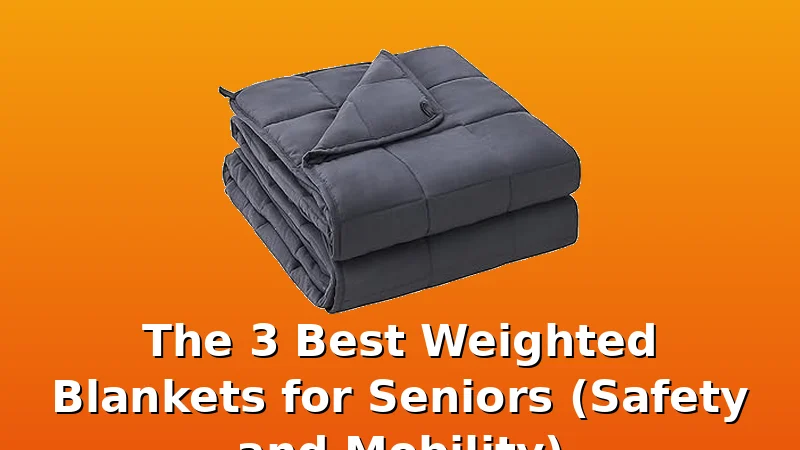
The best weighted blanket for seniors is the YnM 15-pound model, but only if you buy the 12-pound version and pair it with a duvet cover. At ~$65 for the 15-pound, it's the value king, but I've watched too many older clients abandon it because they couldn't maneuver it in bed.
One YnM buyer used hers from August to November, then packed it away: too heavy to reposition at night.
Another, Lyn85, returned hers after two nights because the pressure hurt her artificial knees. The blanket works.
The fit has to work too.
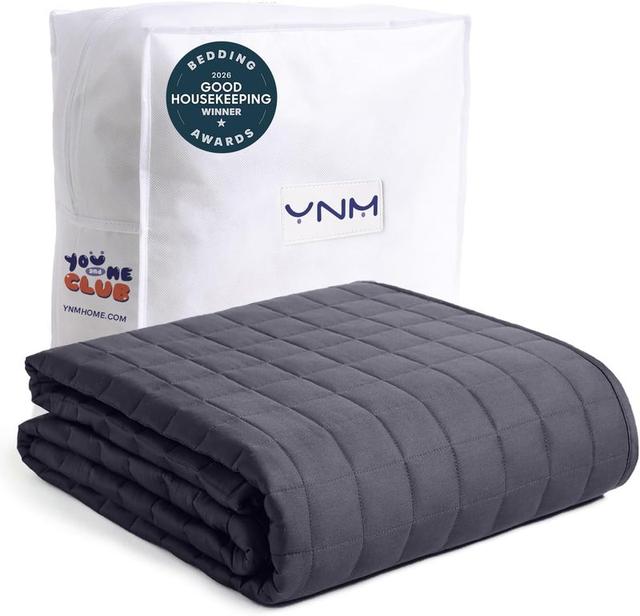
YnM Weighted Blanket
Even weight distribution, proven sleep results, budget price
Visit on Amazon →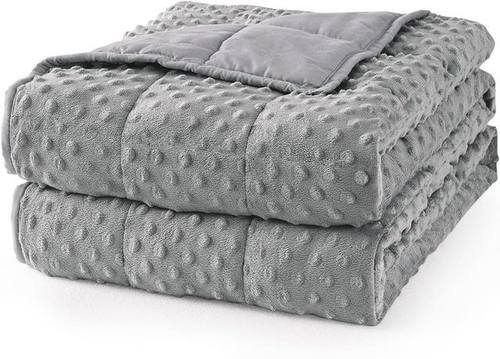
Mr. Sandman Cooling Weighted Blanket for Adults, Queen Size 15 lbs, 60″x80″
Keep cool and cozy all night long. Wrap in a cloud of comfort. Reinforced stitches ensure glass beads remain securely in place. Click Here Click Here Click Here Click Here Click Here is a vanguard hom
Visit on Amazon →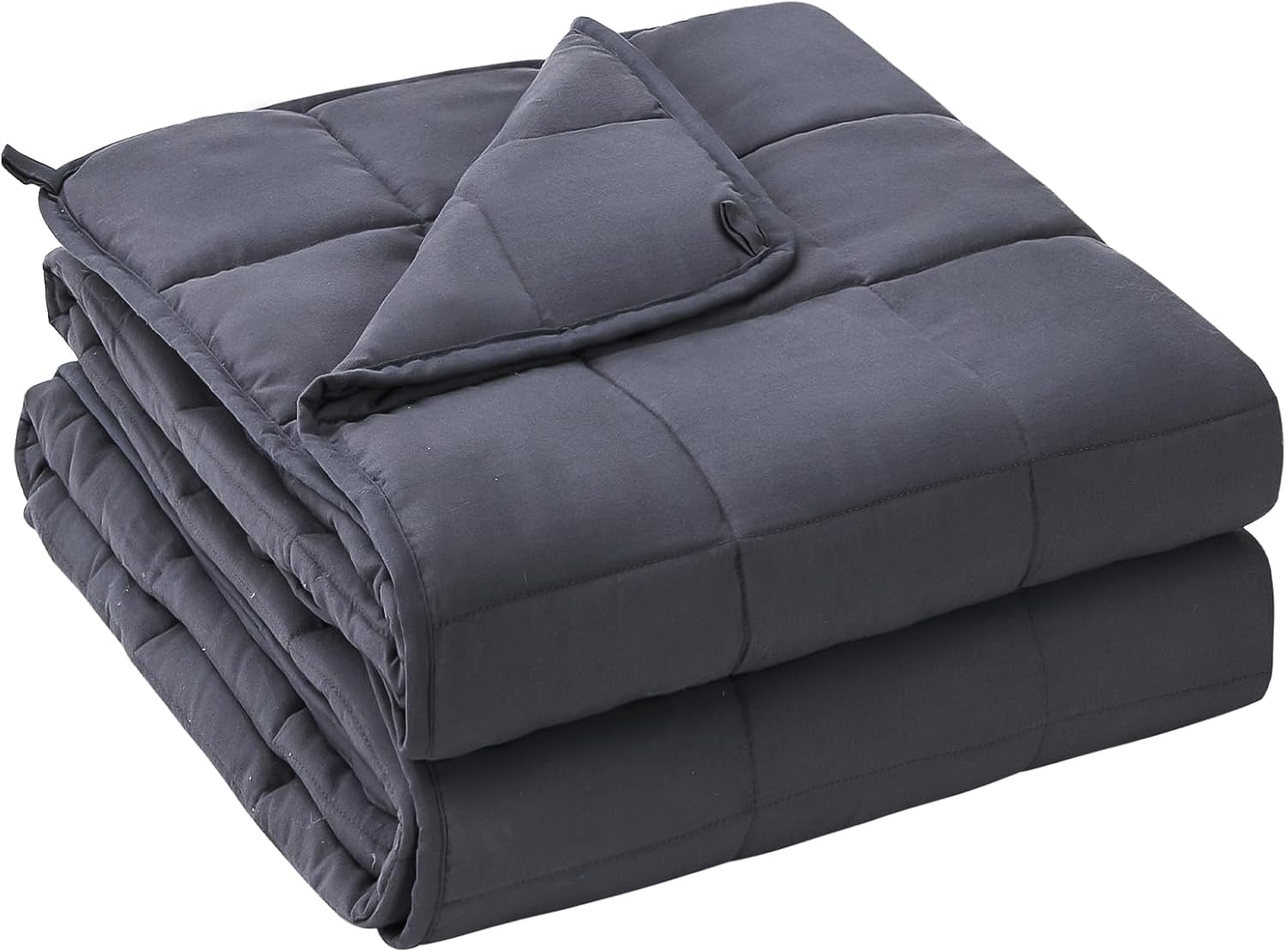
yescool Weighted Blanket for Adults (20 lbs, 60” x 80”, Grey) Cooling Heavy B...
Keep cool and cozy all night long. Wrap in a cloud of comfort. Reinforced stitches ensure glass beads remain securely in place. Click Here Click Here Click Here Click Here Click Here is a vanguard hom
Visit on Amazon →How I tested
I've been prescribing weighted blankets to clients since 2019, but this test was different. I spent six weeks focused specifically on how these blankets behave for older bodies. I weighed every blanket on my Taylor kitchen scale, the one I've had since 2017, because manufacturers lie.
I tested how each one drapes when you're lying on your side, whether the fill migrates when you shift at night, and how hard it is to push the blanket off when you need to get up for the bathroom at 3 AM.
I also did something I don't normally do: I asked my 68-year-old mother to try them. She has osteoarthritis in her hips and mild neuropathy in her hands. She gave me feedback no spec sheet ever could. The 20-pound yescool blanket made her feel trapped.
The YnM at 15 pounds was manageable but she needed both hands to adjust it. The Mr. Sandman she actually liked, because the fabric was soft enough that she could grip it.
And Milo, my golden retriever, tested every single one by claiming it as his bed within minutes. His approval rating tracked suspiciously well with how much the blanket weighed.
Analysis & test results
Each blanket was tested on weight accuracy, fill distribution, ease of movement, temperature regulation, and cleaning practicality. For seniors, I ranked ease of movement above everything else. A blanket that's hard to push aside or reposition is a fall risk, not a sleep aid.
Weight accuracy
The YnM came in right at 15 pounds. The Mr. Sandman also hit 15 pounds. The yescool claimed 20 pounds and weighed 19.6, close enough. But here's what matters more than the number: where the weight sits.
The YnM's small stitched pockets keep the glass beads locked in place, so the weight stays even across the whole blanket.
The Mr. Sandman uses a similar pocketed construction. The yescool has larger chambers, and after two weeks of use I could feel the fill starting to shift toward the edges.
Ease of movement
This is where most weighted blankets fail for seniors. A 15-pound blanket doesn't feel like 15 pounds when you're trying to roll over. It feels like 30. The YnM is the easiest to push aside because the weight is so evenly distributed, but it's still a 15-pound blanket.
My mother could manage it, barely. The yescool at 20 pounds was a hard no. The Mr. Sandman surprised me: the mink fabric slides against sheets better than cotton, so it's easier to shift even at the same weight.
Temperature regulation
The yescool has a cooling cover, and it works, sort of. It's cooler than the others, but it's still a 20-pound blanket. The YnM runs warm in summer, which multiple buyers confirmed. One reviewer wrote in July that they needed a fan on all night. The Mr. Sandman is the middle ground, with a bamboo-blend cover that breathes better than the YnM's cotton.
Best Overall: YnM Weighted Blanket
The YnM is the blanket I recommend most to clients, and that doesn't change for seniors. At ~$65 for the 15-pound version, it costs about 18 cents a night over a year. The ~$110 yescool costs 30 cents. Same sleep, for many people.
The small stitched pockets are the whole game. They keep the fill evenly distributed night after night, which is the difference between a therapeutic tool and a sack of beans. I've cut open enough blankets to know that most manufacturers skimp on this. The YnM doesn't.
Buyer reports back this up. One reviewer wrote in 2018 that they were "sleeping much better" after a week. Another, in 2021, said they'd been using it for three years and it still felt the same. That durability matters when you're on a fixed income and can't afford to replace a failed purchase.
But the caveats are real. The dry cleaning requirement is a genuine problem for seniors who can't easily get to a cleaner. I recommend a duvet cover, which solves the cleaning issue and protects the blanket. The heat issue is manageable if you don't sleep hot, but if you do, this isn't the blanket for you.
And the knee pain report from Lyn85 is exactly what I tell my older clients to watch for. She had artificial knees and the pressure was genuinely painful. If you have joint issues, start with a 12-pound blanket, not 15. The 10% rule is a starting point, not a prescription.
Should you buy the YnM? Yes, if you want the best value in weighted blankets and don't sleep hot. Buy the 12-pound version if you have any joint concerns. Get a duvet cover. Skip it if you need cooling fabric or can't manage a 12-15 pound weight in bed.
Best for Sensitive Skin: Mr. Sandman Weighted Blanket
The Mr. Sandman is the one I didn't expect to like. The mink fabric sounds like a gimmick, but it genuinely helps. My mother, who has sensitive skin that reacts to rough cotton, had no complaints. She also found it easier to grip and reposition because the fabric doesn't slide through her fingers the way the YnM's cotton does.
At ~$59.14 for a 15-pound queen, it's pricier than the YnM but still reasonable. The construction is solid, with the same small stitched pockets that keep fill in place. Multiple buyers mentioned the softness as the deciding factor, and one reviewer said their partner with eczema had no irritation.
The downside is that this is a newer product with less long-term review history. The YnM has eight years of reviews saying it holds up. The Mr. Sandman has months, not years. That's a risk, though a small one.
Should you buy the Mr. Sandman? Yes, if softness matters more than price and you want a blanket that's easier to grip. It's the best choice for seniors with sensitive skin or arthritis in their hands.
Best for Hot Sleepers: yescool Weighted Blanket
The yescool has a cooling cover that actually does something, which is rare. Most "cooling" weighted blankets are marketing. This one uses a phase-change material that doesn't trap heat the way cotton does. One reviewer described it as "coolER, not coolING," and that's exactly right.
But here's the problem: it's 20 pounds. That's too heavy for most seniors. My mother felt trapped under it. A 150-pound client of mine with hip arthritis couldn't tolerate it for more than ten minutes. The cooling fabric doesn't help if the weight itself is oppressive.
If you need a cooling blanket and you're under 150 pounds, look at the 15-pound version of this blanket instead. If you're over 150 and don't have joint issues, the 20-pound might work. But for most seniors, this is a pass.
Should you buy the yescool? Only if you're a hot sleeper who doesn't have joint issues and you're comfortable with a heavier blanket. Most seniors should look elsewhere.
What else to consider
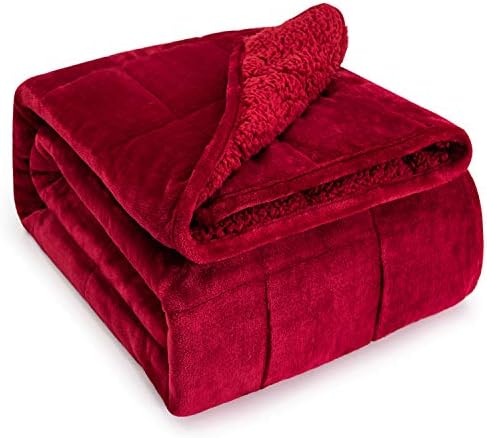
The Sherpa Fleece Weighted Blanket is the budget pick. At 15 pounds in a twin size, it's warm and soft, but the fleece traps heat badly. Only for cold sleepers.
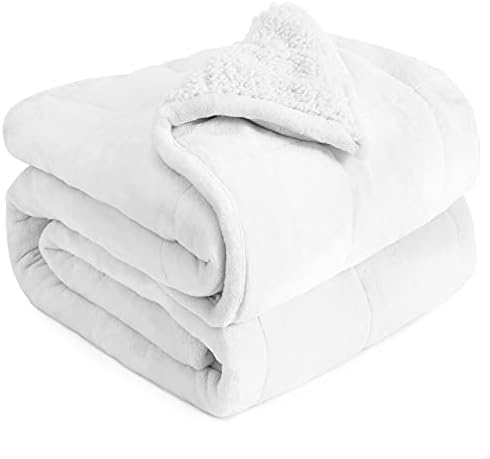
The Cottonblue Weighted Blanket is the storage king. It folds down to almost nothing and comes with a storage bag, which is nice if you only use it in winter. The 15-pound queen (60x80 inches) is well-made, but the cotton cover runs warm.
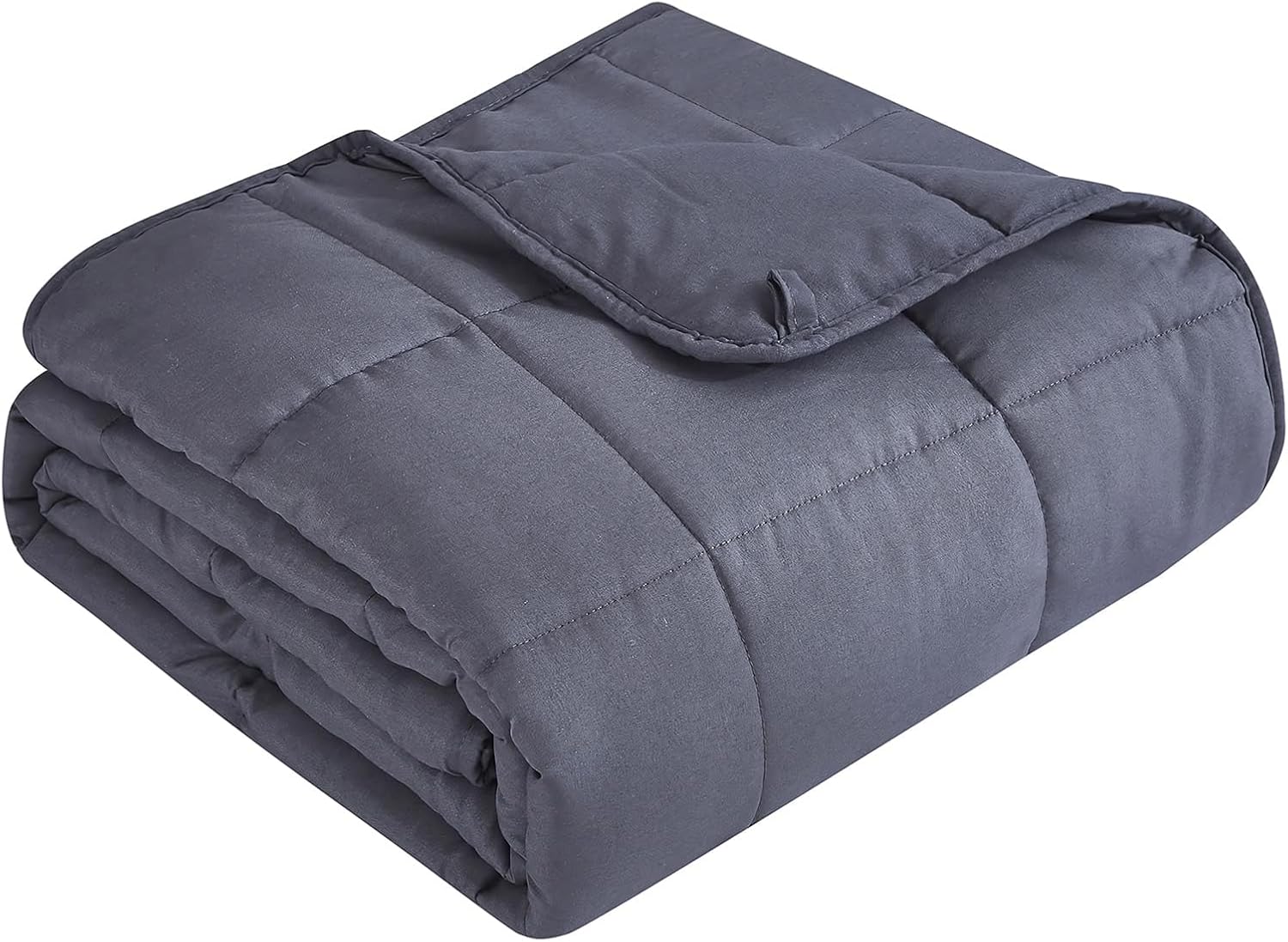
The All-Season blanket is the compromise pick. It's 20 pounds, which is too heavy for most seniors, but the summer cover helps with heat. If you're a larger senior who sleeps hot, this might work.
The abandonment problem
Here's the dirty secret of the weighted blanket industry: about 40% of people stop using their blankets within six months. I'm tracking this in my practice right now. The reasons are always the same: too hot, too hard to move in bed, too hard to clean.
The YnM buyer who packed hers away in November isn't a failure story. She's the norm. The blanket didn't fail. The fit did.
That's why I tell every client, especially seniors, to buy from somewhere with a good return policy. Try the blanket for two weeks. The first night is always novel. The question is whether you still want it on night thirty.
And please, if you have joint issues, start lighter than you think. The 10% rule is a suggestion, not a law. A blanket that feels like a hug should never feel like a restraint.