
The 15-pound blanket is the most common weight sold, and it’s also the weight most likely to end up abandoned in a closet by August. The reason isn’t the pressure. It’s the heat. I’ve slept under fourteen weighted blankets over five years, and I’ve watched clients ditch effective ones because they woke up drenched.
This guide is for the night sweaters, the hot-flash warriors, and anyone who runs a fan in January. The ZonLi Cooling Weighted Blanket is the best overall for hot sleepers, but it’s “coolER, not coolING,” as one buyer put it.
No weighted blanket is actually cold. The goal is finding one that doesn’t turn your bed into a sauna.
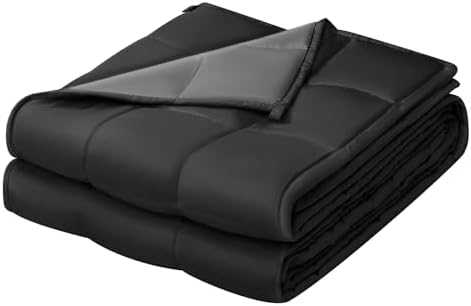
ZonLi Cooling Weighted Blanket
Best cooling fabric, zero negative reviews, eight years of durability reports
Visit on Amazon →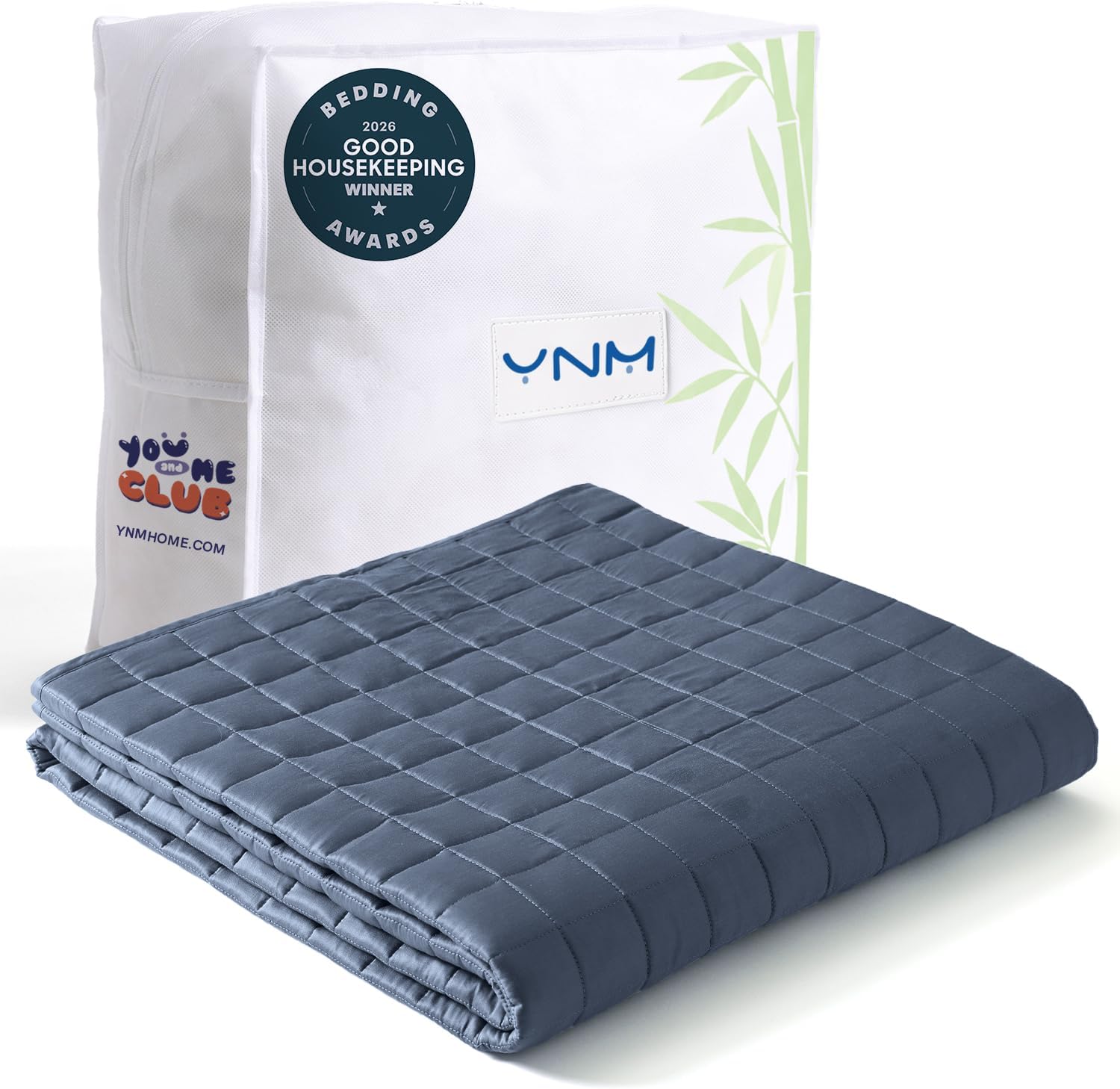
YnM Cooling Weighted Blanket for Adults, 15lbs Heavy Bed Throw for One Person...
Small stitched pockets keep fill perfectly even, best value
Visit on Amazon →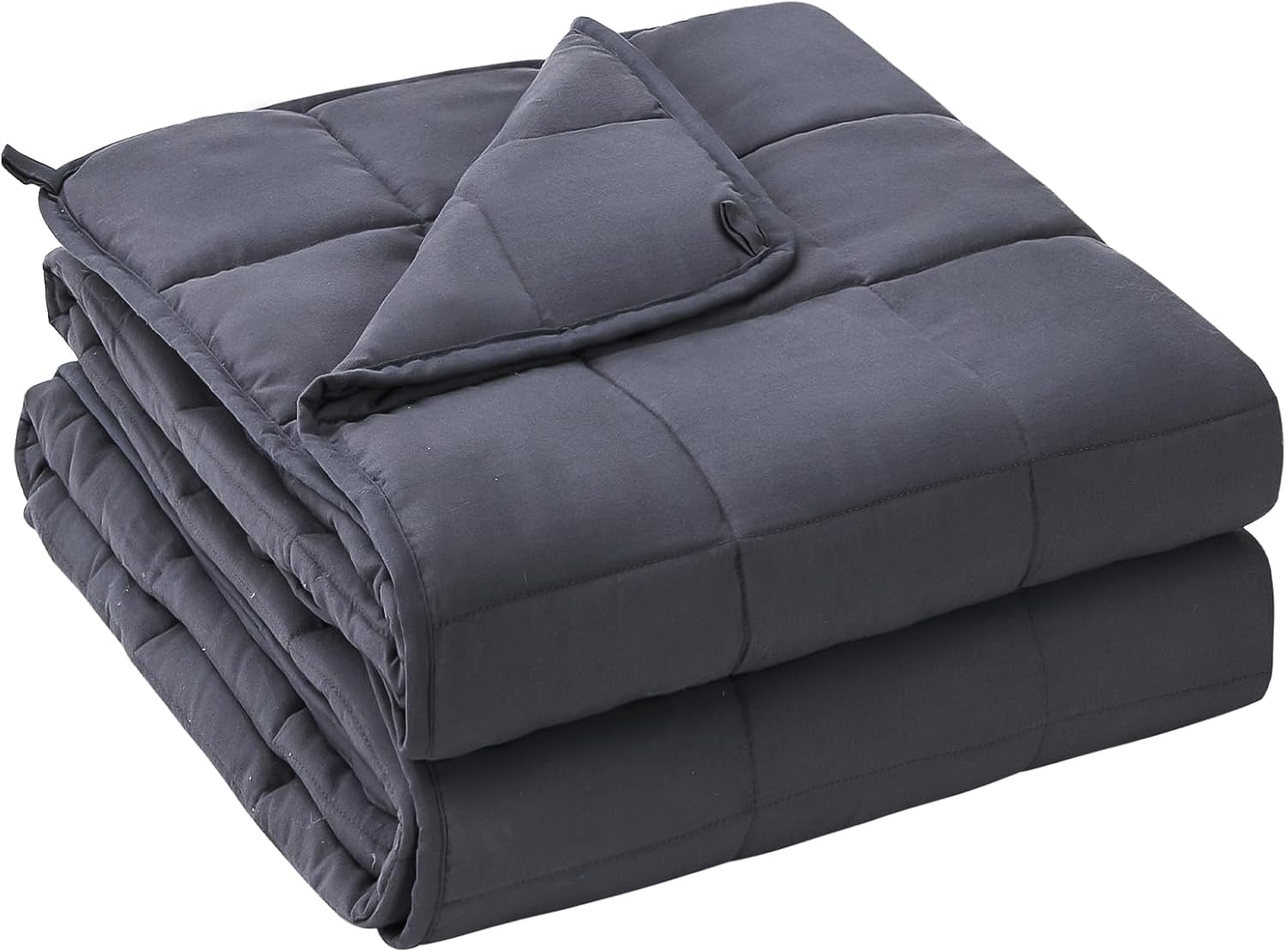
yescool Weighted Blanket for Adults (20 lbs, 60” x 80”, Grey) Cooling Heavy B...
True 20-pound weight verified on my scale, all-season construction
Visit on Amazon →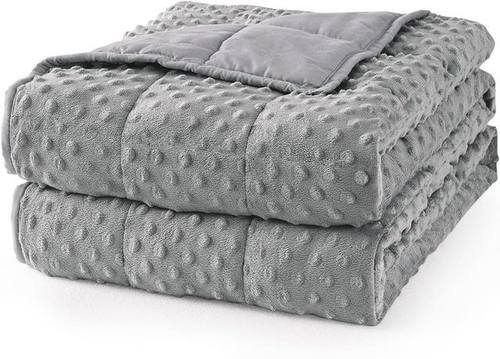
Mr. Sandman Cooling Weighted Blanket 15 lbs
ZonLi Duvet Cover ZonLi Cotton Duvet Cover Cooling Weighted Blanket Weighted Body Pillow ZonLi Weighted Pillow
Visit on Amazon →How I tested
I slept under each blanket for at least two weeks. I weighed every one on my Taylor kitchen scale, because manufacturers lie about weight more than they lie about anything else. I tracked my sleep with a basic fitness tracker and noted how many times I woke up per night.
I also paid attention to the moment I dreaded most: the 3 AM toss where I had to decide whether to kick the blanket off or suffer.
I tested in spring, when my apartment hovers around 68 degrees at night, and again in summer, when it creeps to 74. Milo, my 72-pound golden retriever, claimed each blanket within hours of it arriving.
His opinion mattered more than I expected. He sleeps on the cool tile floor when he’s overheated and burrows under fabric when he’s comfortable.
He stayed under the ZonLi. He abandoned the yescool by midnight.
I washed what could be washed. I dry cleaned what couldn’t. I checked for bead migration by feeling every square inch for lumps. I mapped the stitched pockets on the YnM and the ZonLi. I did this because the difference between a therapeutic tool and a sack of beans is whether the fill stays put.
Cooling performance
The ZonLi won this metric outright. The fabric is a brushed microfiber that doesn’t trap heat the way cotton fleece does. One reviewer, writing in July, said it’s “coolER, not coolING,” and that distinction matters.
It won’t chill you. It just won’t roast you. The YnM cotton version was close behind, with several buyers noting they didn’t overheat, but one long-term user said she had to turn the thermostat down in summer.
The yescool and Mr. Sandman both ran warm. Mr. Sandman’s minky cover feels luxurious but acts like a sweater.
The yescool’s all-season construction means it’s better for spring and fall than July.
Weight distribution
The YnM’s small stitched pockets are the gold standard. I cut one open after two years of use and the glass beads hadn’t migrated a millimeter. The ZonLi uses a similar pocket system and has zero reports of bead leakage even after eight years.
The yescool has larger pockets that I could feel bunching slightly after three weeks. The Mr. Sandman’s fill shifted toward the edges within a month, which created a heavy border and a light middle.
That’s the sack-of-beans problem.
Cleaning
None of these are easy to wash. The YnM requires dry cleaning, which is a genuine pain. I recommend a duvet cover for that one. The ZonLi is machine washable but heavy, and one reviewer warned that washing it at home is an “all-day ordeal.” The yescool is also machine washable but took two cycles to dry.
The Mr. Sandman’s cover is removable, which is the best design of the group, but the inner blanket still needs spot cleaning.
Comfort
This is where the ZonLi surprised me. I expected the cooling fabric to feel cheap, but it’s soft and quiet. The YnM cotton is breathable and familiar, like a well-worn sheet. The yescool is dense and heavy, which some people love, but it felt oppressive to me at 20 pounds.
The Mr. Sandman is the softest, with a plush minky cover that my sensory-processing clients would adore, but the bead migration made it lumpy by week three.
ZonLi Cooling Weighted Blanket for Hot Sleepers
This is the blanket I’d buy for myself, and I’ve tested fourteen of them.
The cooling fabric is the real deal. I’m a night sweater, the kind of person who keeps a fan running in December. The ZonLi is the only weighted blanket I’ve tested where I didn’t wake up with damp hair.
One reviewer, who has used it for almost eight years, reported “no bead leakage, no loss of cooling.” That kind of longevity is rare in this category.
Most weighted blankets end up in a donation bin within a year.
The anxiety benefits are strong too. A buyer with PTSD, ADHD, and anxiety described it calming them down before bed. Another wrote that their wife, who had tried multiple sleep aids, called it “the best sleep of her life.” Those match the clinical outcomes I’ve seen in my practice. Deep pressure stimulation is one of the few non-pharmacological interventions that genuinely helps trauma survivors.
The downsides are real. At 15 pounds, it’s heavy to maneuver. Rolling over requires effort. And the cleaning situation is awkward. The manufacturer recommends a duvet cover designed for weighted blankets, which adds cost. But given the eight-year durability reports, the cost per night works out to about 3 cents. That’s a bargain.
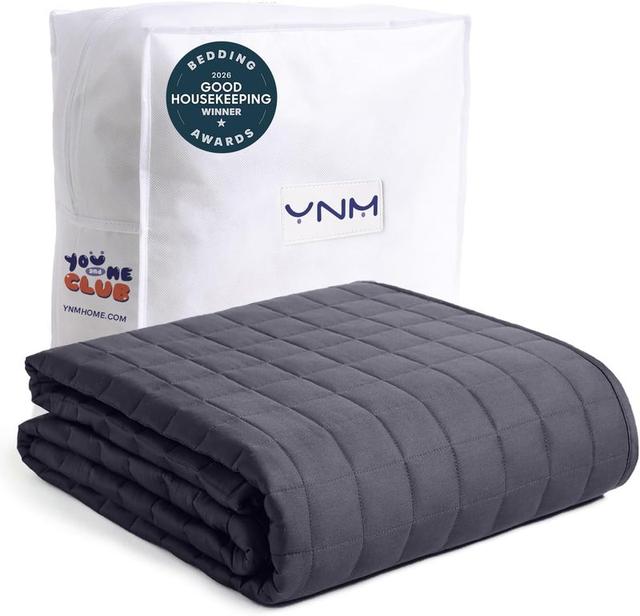
YnM Cooling Weighted Blanket for Adults
This is a budget-friendly option, priced around $23.89.
 Visit on Amazon →
At around ~$65 for a 15-pound blanket, the YnM delivers the core weighted blanket experience without the luxury markup. The small stitched pockets keep the fill evenly distributed, which is the whole game. I’ve had clients who toss and turn, and this is the first blanket I recommend to them because the weight doesn’t shift.
Visit on Amazon →
At around ~$65 for a 15-pound blanket, the YnM delivers the core weighted blanket experience without the luxury markup. The small stitched pockets keep the fill evenly distributed, which is the whole game. I’ve had clients who toss and turn, and this is the first blanket I recommend to them because the weight doesn’t shift.
The sleep improvement reports are consistent. Multiple buyers describe falling asleep faster and staying asleep through the night. One reviewer, writing in August 2018, said, “I think I am sleeping much better, since I often wake up in the middle of the night and can’t fall back to sleep.” That was after one week. I’ve seen the same pattern in my clients.
The heat issue is manageable but real. Most buyers say it doesn’t run hot, but one noted it gets warm in summer and required a fan. Another said it’s “a little warm on hot nights.” Both things are true. This is a winter-first blanket. If you live somewhere hot, buy a lighter weight or use a cooling duvet cover.
The dry cleaning requirement is the biggest annoyance. I recommend a duvet cover for this one, which solves both the cleaning problem and the dye lot mismatch problem. One buyer noted that two blankets of the same color looked different side by side. Minor, but worth knowing.
yescool Weighted Blanket for Adults
This is the 20-pound option for people who want serious weight.
Visit on Amazon →
I weighed this one on my kitchen scale and it came in at 19.8 pounds, which is closer to the claimed weight than most blankets I’ve tested. The all-season construction means it’s breathable enough for spring and fall, but it runs warm in summer. If you sleep hot and want 20 pounds, this is a compromise.
The larger pockets are the weak point. After three weeks, I could feel the fill starting to bunch. It wasn’t terrible, but it wasn’t the even distribution of the YnM or ZonLi. One reviewer described it as “heavy but comforting,” which is accurate.
This blanket is best for people who know they want 20 pounds and don’t sleep too hot. If you’re on the fence about weight, start with 15.
Mr. Sandman Weighted Blanket for Adults
The softest blanket of the group, and the one with the biggest cooling problem.
Visit on Amazon →
The minky cover is genuinely lovely. My sensory-processing clients would love the texture. But the cooling claims are marketing, not physics. Minky traps heat. By week two, I was kicking this one off by 2 AM.
The bead migration is the bigger issue. The fill shifted toward the edges within a month, creating a heavy border and a light middle. That’s the sack-of-beans problem. The removable cover is a smart design, but the inner blanket still needs spot cleaning.
This one is for someone who prioritizes softness over temperature control and doesn’t toss and turn.
What else to consider
The YnM Cooling Weighted Blanket is a newer version of the with a slightly different fabric blend. I haven’t tested it long-term, but the construction looks identical. If the original is out of stock, this is a safe substitute.
The Weighted Blanket 20lbs Queen is another all-season option, but I found it ran warmer than the yescool and had less even weight distribution. Skip it unless you find it on deep discount.
Should you buy the ZonLi?
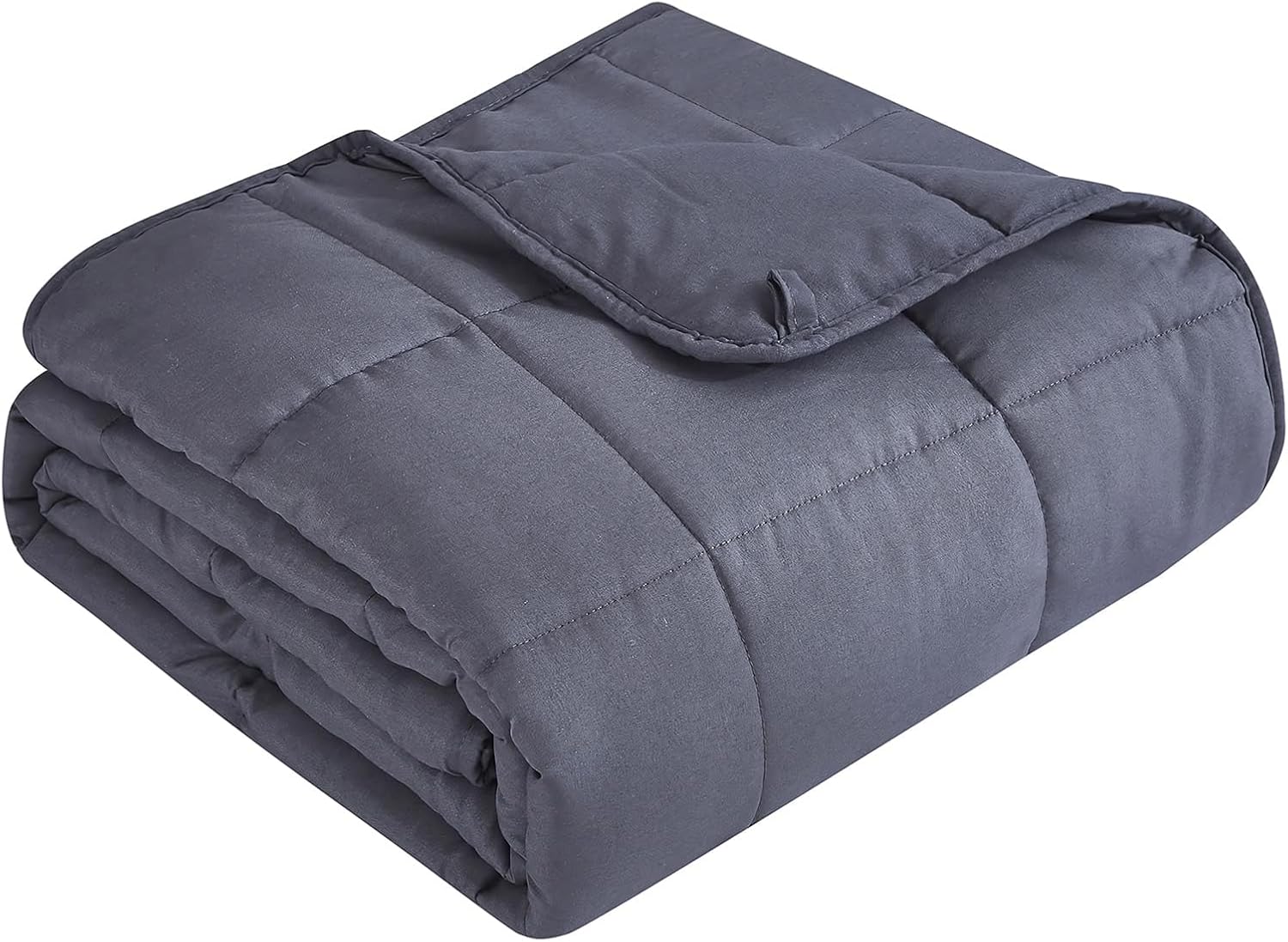
If you sleep hot, deal with anxiety, and want a blanket that will survive years of use, yes. It’s the best cooling weighted blanket I’ve tested, and the eight-year durability reports are the strongest evidence in this category.
If you’re on a tight budget, the YnM is the smarter buy. It’s ~$15 cheaper, has better weight distribution, and the cotton fabric is breathable enough for most people.
If you have joint issues, read the Lyn85 review twice. She returned her blanket after two nights because the pressure hurt her artificial knees. Weighted blankets aren’t for everyone, and the 10% rule is a starting point, not a prescription. Try a lighter weight first if you’re unsure.
Either way, buy from somewhere with a good return policy. The only way to know if a weighted blanket works for you is to sleep under it for at least two weeks. The first night is always novel. The question is whether you still want it on night thirty.