I bought my first weighted blanket in 2019 out of desperation, the kind that shows up at 3 a.m. after you have tried melatonin, blackout curtains, and a white noise machine that sounds like a broken air conditioner. I am an occupational therapist in Chicago, I work with anxiety and sensory processing clients, and what started as a personal experiment turned into a professional one. Five years and 14 blankets later, I weigh every one on a kitchen scale, run a humidity sensor under the shell, and have firm opinions about which of them end up in a closet by week three. This comparison of weighted blankets for adults is the version I wish I had before I spent money on a 20 pound queen I could not push off my chest.
Related: Weighted Blanket Weight Guide: How Heavy Should It Be
The short answer: for most adults, a 15 pound blanket in a queen footprint is the safest first purchase, and the Kivik 15 lbs queen is the one I would hand a first-time buyer. If you sleep alone in a twin bed and want the weight to feel concentrated rather than spread out, the Topblan twin is the better call. The 30 pound yescool king is a real option only if you are near the 290 to 310 pound range its listing names, and the 7 pound yescool throw is a couch blanket, not a bed blanket.
The table below is the fast version. Everything after it is the reasoning, and the reasoning is where the money gets saved.
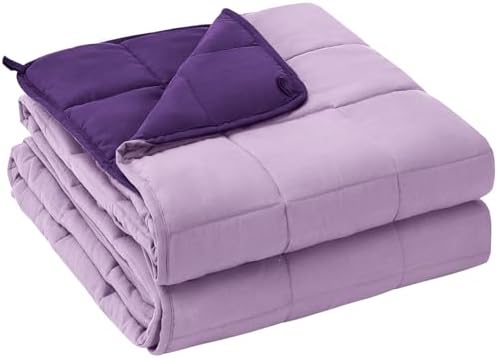
Topblan Weighted Blanket Twin Size 15lbs, 48 x 72 for Adults
Densest weight per square foot of the four, because 15 pounds sits over a true twin footprint
Too heavy for a sleeper much under 150 pounds, and a twin will not cover a full or queen bed
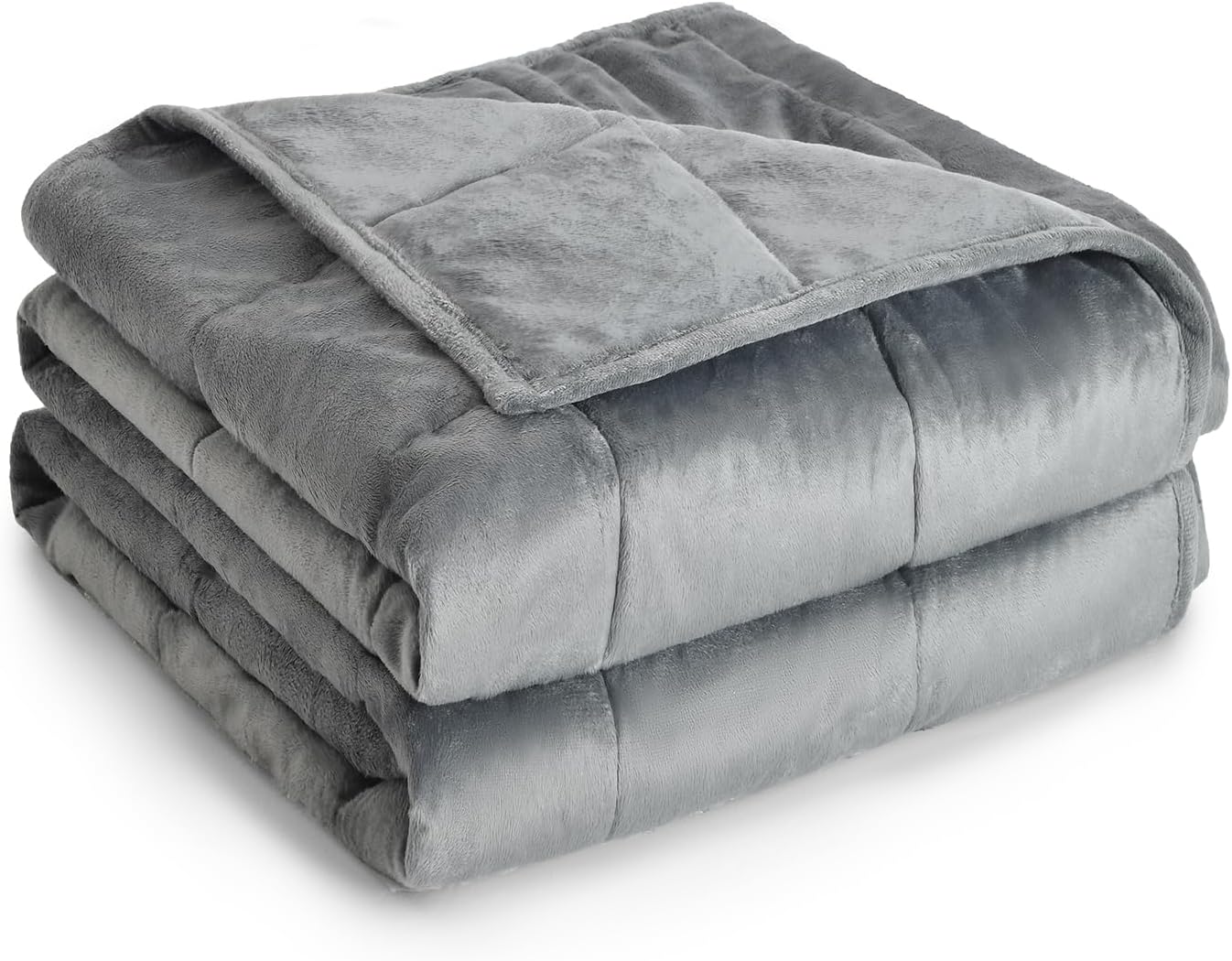
yescool Weighted Throw Blanket 7lbs, 41" x 60", Blue
Cheapest way to test whether you even like deep pressure, and easy to move at 7 pounds
Not a sleep-weight blanket for most adults, so a bad first impression can be blamed on the product instead of the size
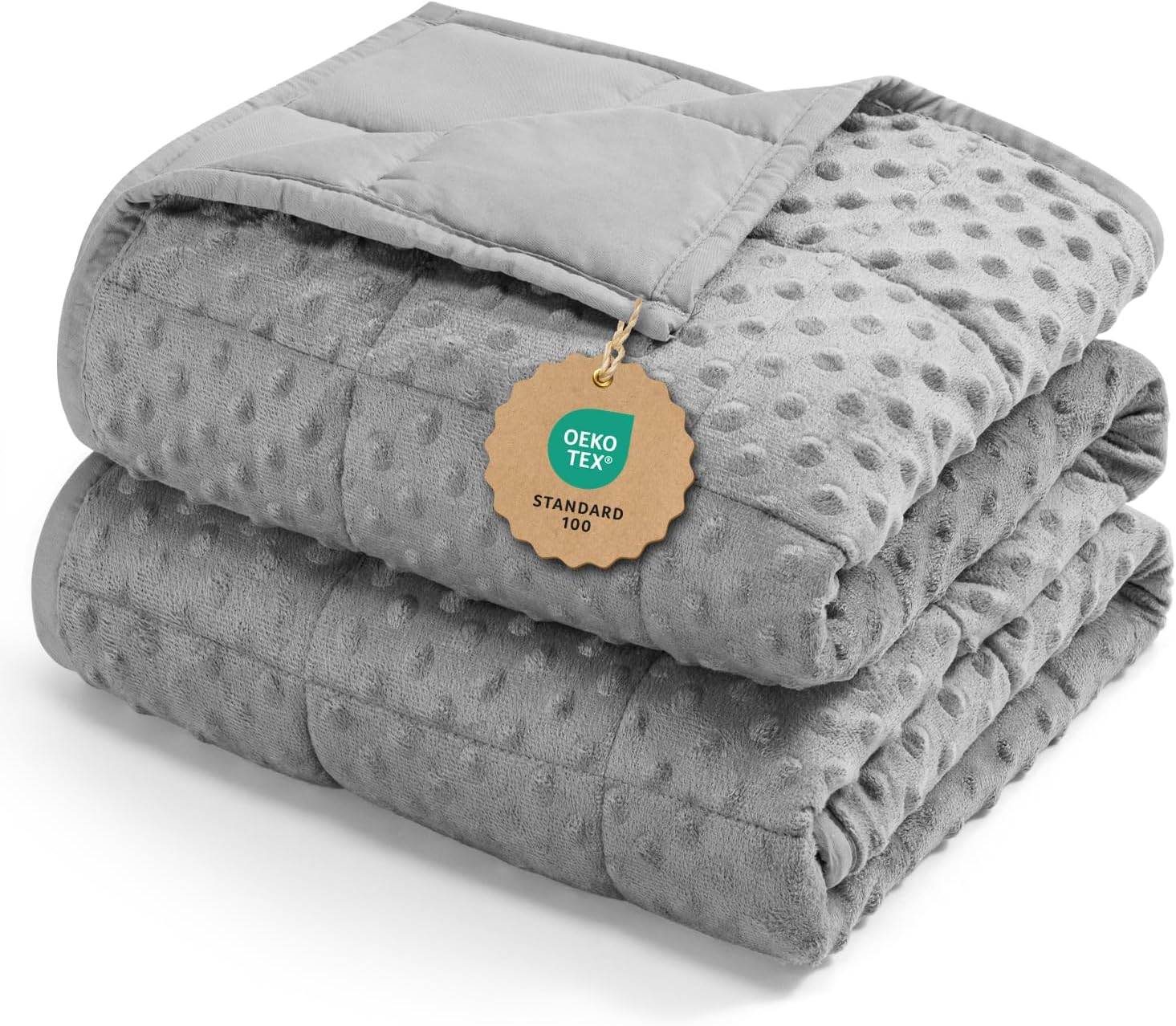
Kivik 15lbs Weighted Blanket for Adults, 60"x80" Queen Size Heavy Blankets
Queen coverage spreads 15 pounds evenly, which is exactly what the 10 percent guideline assumes
Lowest weight density here, so it feels gentler than the number on the label suggests
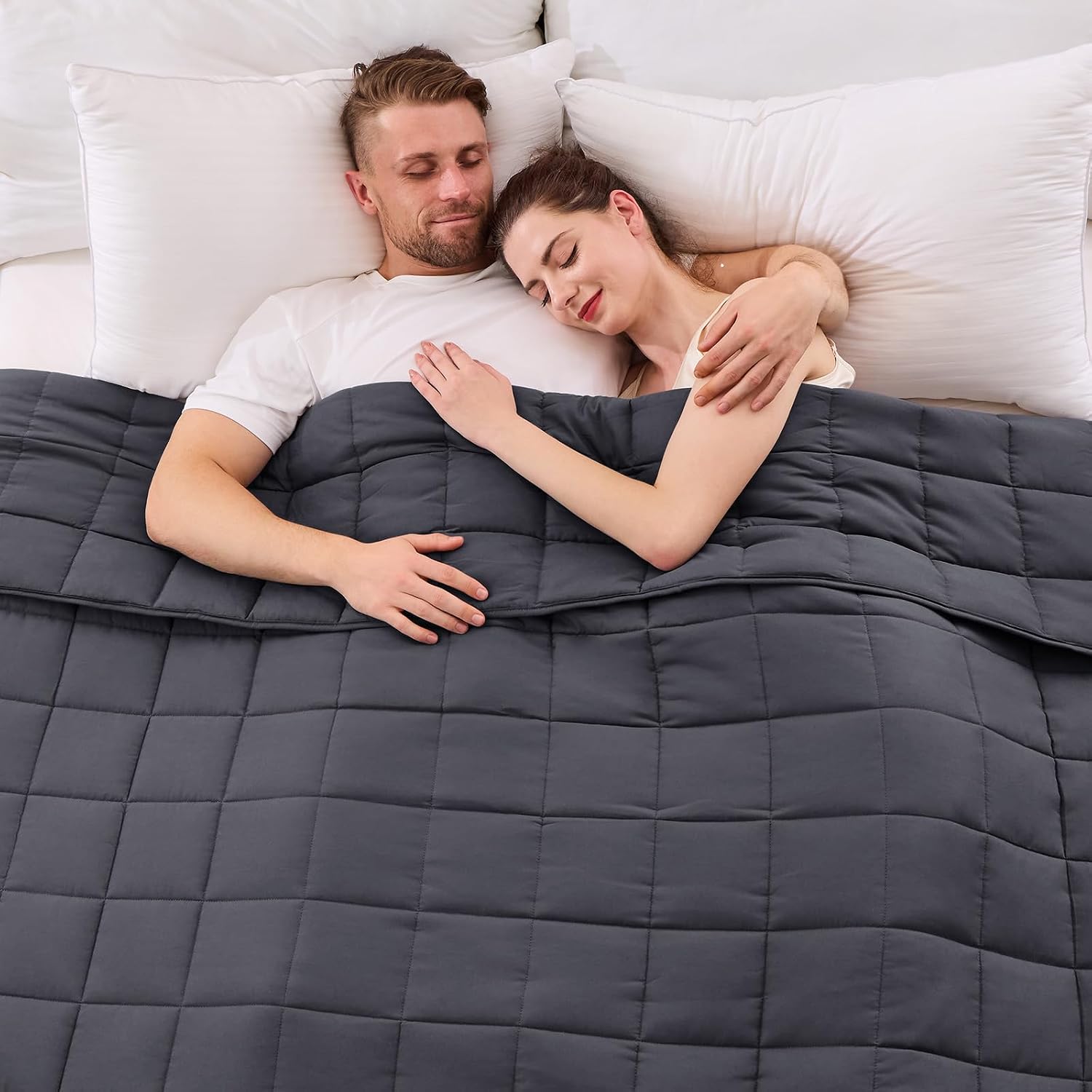
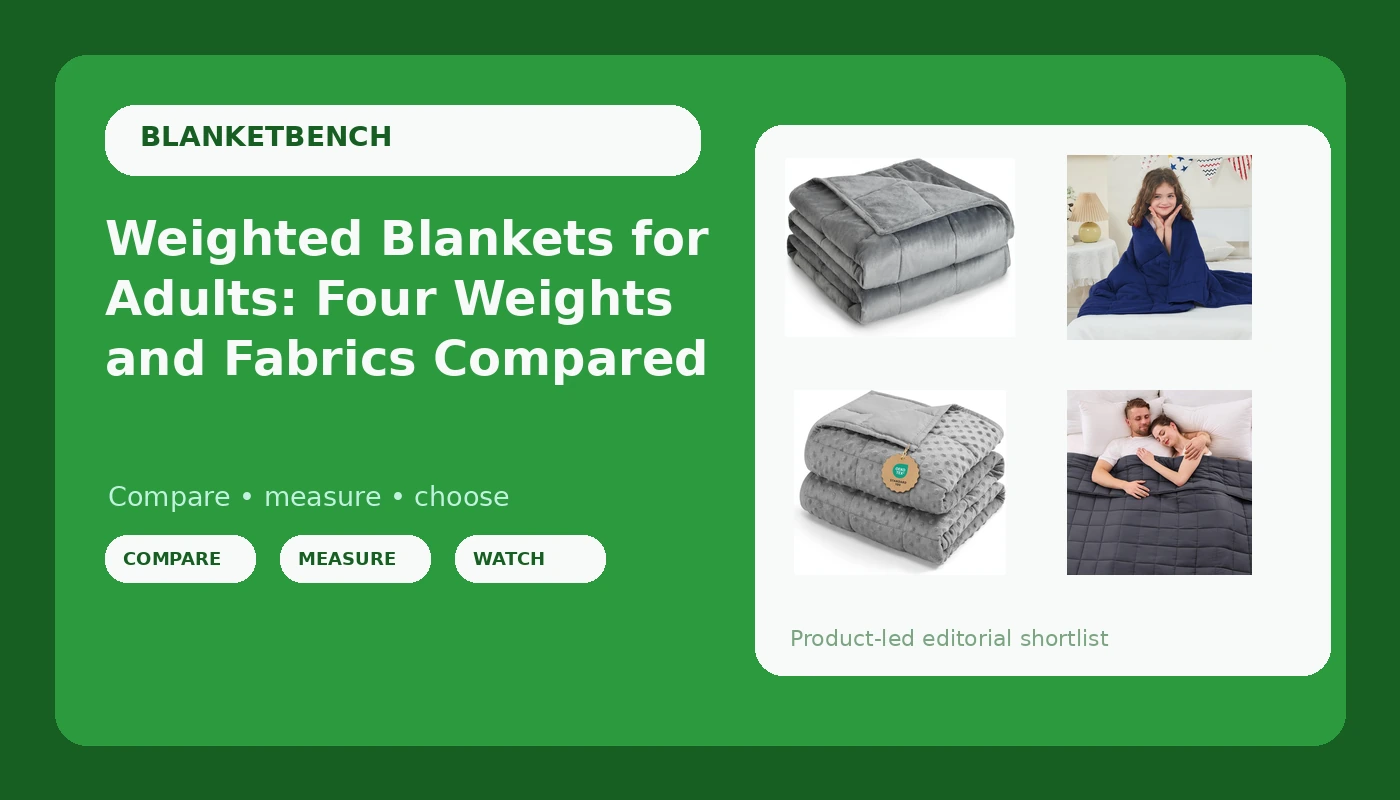
yescool King Size Weighted Blanket for Adults (30 lbs, 80" x 87", Grey) Cooling Heavy Blanket for Sleeping Perfect for 290-310 lbs, Blanket for Adults & Couple All Season, Machine Washable
Sized and weighted for the 290 to 310 pound sleeper its listing names, and it covers a king bed
Heavy to move, hard to launder at home, and wrong for anyone well below the stated range
Prices and availability were captured from Amazon Creators API and may change.
How I judge a weighted blanket
I have one rule for these products: the blanket has to survive a real laundry cycle and a real August. Everything else is marketing.
My process is boring. I put the blanket on a kitchen scale and compare the number to the claimed weight, because a blanket that arrives lighter than the label is a different product than the one you ordered. I run a humidity sensor under the shell for 30 minutes of body heat to see whether the fabric moves moisture or traps it. I count quilted pockets across a 12 inch span, since bead migration starts with a grid that is too wide. Then I sleep under it for at least three weeks, which is the point where most people quit.
Weighted blankets do not fail loudly. They fail slowly. The beads creep toward the corners, the middle goes flat, the shell gets warm, and one night you push it off the bed and never pick it up again. When I ask clients why they stopped using one, the answer is almost never "it was the wrong weight." It is "it was too hot" or "it was lumpy" or "I could not wash it."
That is the frame for everything below. Weight gets you in the door. Fabric and construction decide whether the blanket is still on your bed in November. One honest note: the evidence for weighted blankets is mixed. They help some people and do nothing for others, and the placebo effect is real and not embarrassing. I treat them as one part of sleep hygiene, not as a treatment.
Weight and size: the density math the listings skip
The 10 percent guideline is a starting point, not a rule, and the number no listing gives you is density. Weight per square foot is what your body actually feels.
The Topblan twin is 48 by 72 inches, which is 24 square feet, so 15 pounds works out to roughly 0.63 pounds per square foot. The yescool king is 80 by 87 inches, about 48 square feet, so 30 pounds lands near 0.62 pounds per square foot. Almost identical, and both are the densest options here.
The Kivik queen is 60 by 80 inches, about 33 square feet, so 15 pounds spreads to roughly 0.45 pounds per square foot. The yescool throw is 41 by 60 inches, about 17 square feet, and 7 pounds comes to about 0.41 pounds per square foot.
In practice: a 15 pound queen and a 15 pound twin are not the same blanket. The twin concentrates the same weight into less area, so it presses harder. If you tried a friend's 15 pound blanket and found it suffocating, the size may have been the problem, not the weight.
Applied to people, the Topblan twin and the Kivik queen both sit near the 10 percent line for a 150 pound sleeper. The yescool king matches the 290 to 310 pound range its listing names, which is the 10 percent math done for you. The throw at 7 pounds fits a 70 pound sleeper by the guideline, which is why I treat it as a lap and couch blanket for adults rather than a bed blanket. I do not recommend weighted blankets during pregnancy or for infants, and a child should only use one light enough to push off without help.
The four blankets, by role
Topblan 15 lbs twin, 48 x 72. If you sleep alone in a twin bed, this is the densest way to get 15 pounds. A 48 by 72 footprint is a true twin, so it will not drape over the edges of a larger mattress and it is not shareable. The listing sizes it for adults, and at about 0.63 pounds per square foot it delivers the concentrated pressure that people who like weighted blankets usually mean when they describe the feeling. The catch is the footprint. On a full or queen bed this looks like a throw that got ambitious.
yescool 7 lbs throw, 41 x 60, blue. This is the entry point, and I mean that literally. Seven pounds over a throw is light enough to test the sensation without committing to a bed-sized purchase, and it is the size I would suggest for a couch, a reading chair, or an office. What it is not is a sleep-weight blanket for a 180 pound adult. Buy it expecting a deep-pressure hug and you will probably be underwhelmed, then conclude weighted blankets do not work for you. That would be the wrong conclusion drawn from the wrong product.
Kivik 15 lbs queen, 60 x 80. This is the one I would hand a first-time buyer, and the reason is the math above. Fifteen pounds over a queen footprint is about 0.45 pounds per square foot, the gentlest density of the four, and gentle is what most people actually want on night one. It is also the size that fits a queen bed without a fight, and 15 pounds matches a 150 pound adult on the 10 percent guideline. The risk is expectation. Someone who wanted a heavy, cocooning hug may find it too polite and blame the category.
yescool 30 lbs king, 80 x 87, grey. This is a two-person blanket, or a one-person blanket for a very large sleeper. The listing names 290 to 310 pounds, and that is where 30 pounds lands on the 10 percent line. At 80 by 87 inches it covers a king bed, and it is described as machine washable, which matters more at this size than at any other because a 30 pound blanket you cannot clean is permanent furniture. Two cautions. A blanket this heavy is hard to move, so shoulder or hip issues, or a partner who does not want weight on them, will make you resent it at 2 a.m. And check your washer's drum capacity first. A 30 pound king is a load many home machines will refuse.
Shell fabric and the Chicago summer problem
I cannot tell you the thread count of any of these from a listing, and I would not trust a listing that claims one. What I can tell you is what to look for, because the shell is the best single predictor of whether a blanket survives past week two.
Cotton and bamboo shells breathe. Polyester shells, and anything sold as microplush or minky, hold heat. In Chicago, where July is humid and my apartment runs window units, the difference between a breathable shell and a polyester shell is the difference between using a blanket from October to April and never using it at all.
Two things to check. First, look for a shell described as breathable or cooling, and treat cooling as a claim to verify rather than a feature to trust. The yescool king carries cooling language in its name, and that is the claim I would test first with a humidity sensor. Second, look at the quilting. A tight grid of small pockets holds beads in place; a wide grid lets them pool. On a 30 pound blanket a wide grid is not a minor flaw, it is the failure mode.
Washability decides the outcome
A blanket you cannot wash is a blanket that ends up in the closet, and I have the client stories to prove it. Weighted blankets collect sweat, skin cells, and dust mites like any other bedding, and the ones that need a duvet cover to survive a wash are the ones people quietly stop using.
The practical questions: does the listing say machine washable, does your machine have the capacity for the wet weight, and will the shell survive a gentle cycle without stitching pulling loose. Wet weight is the one people forget. A 15 pound blanket full of water is not a 15 pound blanket, and a 30 pound king is heavier than most machines want to spin.
The yescool king is described as machine washable, which is unusual at that size and worth checking against your drum capacity. For the others, answer the washability question before purchase. If the answer is spot clean only, the honest answer is that you will stop using it in February.
The trade-offs, stated plainly
Density and coverage pull against each other. The densest blankets here are the twin and the king, and both are locked to a bed size. The most flexible size, the queen, is also the lightest density, which means it will not feel like the heavy blanket someone told you about.
Weight and movability pull against each other too. Thirty pounds is the right answer for a 300 pound sleeper and the wrong answer for anyone who needs to shove a blanket aside in the dark.
And price tracks fabric more than it tracks weight. The cheapest blanket in this group is the lightest one, not the worst one. The expensive one is expensive because of size, not because 30 pounds of beads costs that much more than 15.
Who should skip a weighted blanket
Skip it if you cannot push the blanket off without help, if you are pregnant, or if you are buying for an infant or a young child. Skip it if your partner sleeps hot and you share a bed, because a 30 pound king is a two-person decision. And skip it if you are looking for a treatment for anxiety, ADHD, or autism. I work with those populations, and the blanket is not the therapy. It is a sensory tool that some people find useful and others do not, and both outcomes are normal.
What I am testing next
I am watching shell technology. My read is that this market splits into two lanes: washable, evidence-minded blankets, and wellness-lifestyle blankets in fashion fabrics at higher prices. The next premium tier will be phase-change cooling shells, and I want to know whether a cooling shell on a 30 pound king actually moves humidity or just markets it. I have a humidity sensor and a date on the calendar. I will report back.