I bought my first weighted blanket in 2019 because I had not slept through the night in four months and I had run out of ideas that did not require a prescription. I am an occupational therapist in Chicago, so I spend my working hours thinking about proprioceptive input, and I spent a lot of that year testing whether any of it worked on me. Since then I have put 14 weighted blankets for adults through my apartment, weighed each one on a kitchen scale, and watched which ones my clients are still using a year later. This comparison covers four of them, 15 to 20 pounds, in three different fabric families: chunky knit, cotton with bead fill, and plush.
Related: How Heavy Should a Weighted Blanket Be?
The short answer: if you have never owned one, the 15 pound cotton shell in a 60 x 80 footprint is the safest first purchase. If you already know you like heavy pressure and you dislike the feel of bead fill, the 20 pound chunky knit is the one worth paying for. Everything below is why, plus the fabric and stitching details that predict whether you will still be using the thing in March.
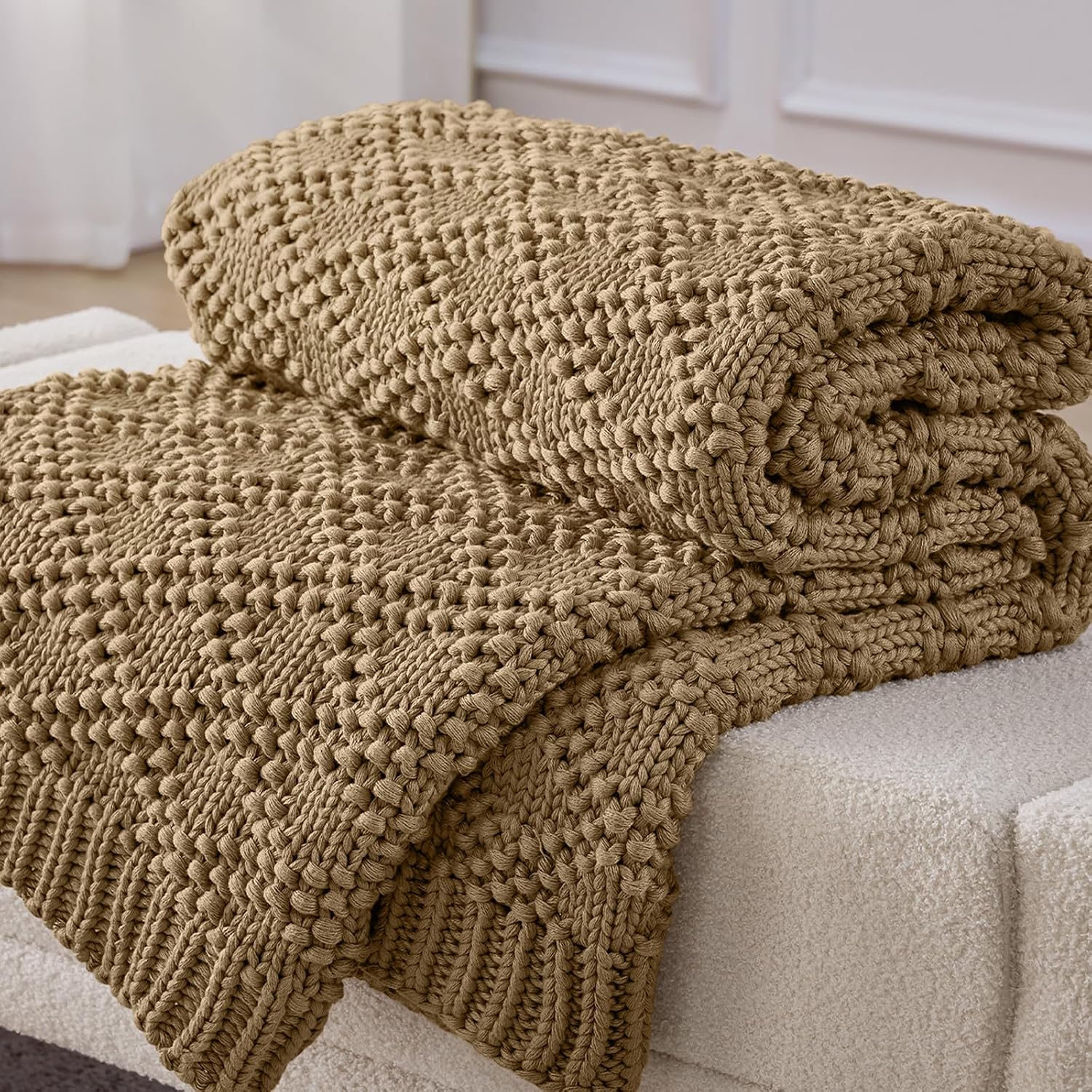
Anysay Knitted Weighted Blanket, 60 x 80, 20 lbs
No bead fill to migrate, knit breathes, real deep pressure
Heaviest of the four and above the 10% guideline for many sleepers, laundry is a project
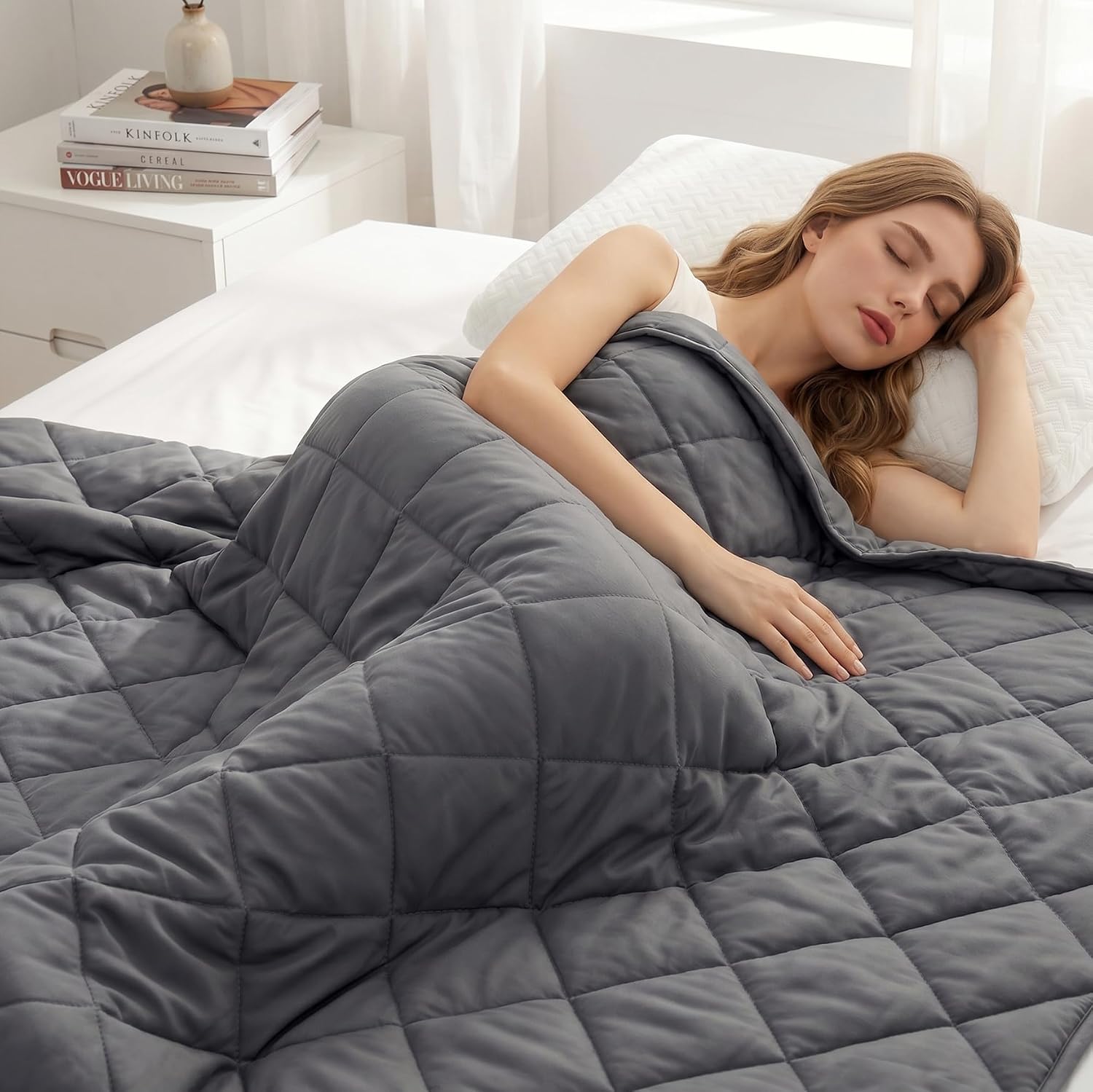
Weighted Blanket for Adults, 15 lbs, 60 x 80, Queen, Soft Cotton
Cotton shell moves air, standard queen footprint, the lowest entry point here
This is where construction corners get cut, so check the channel stitching first
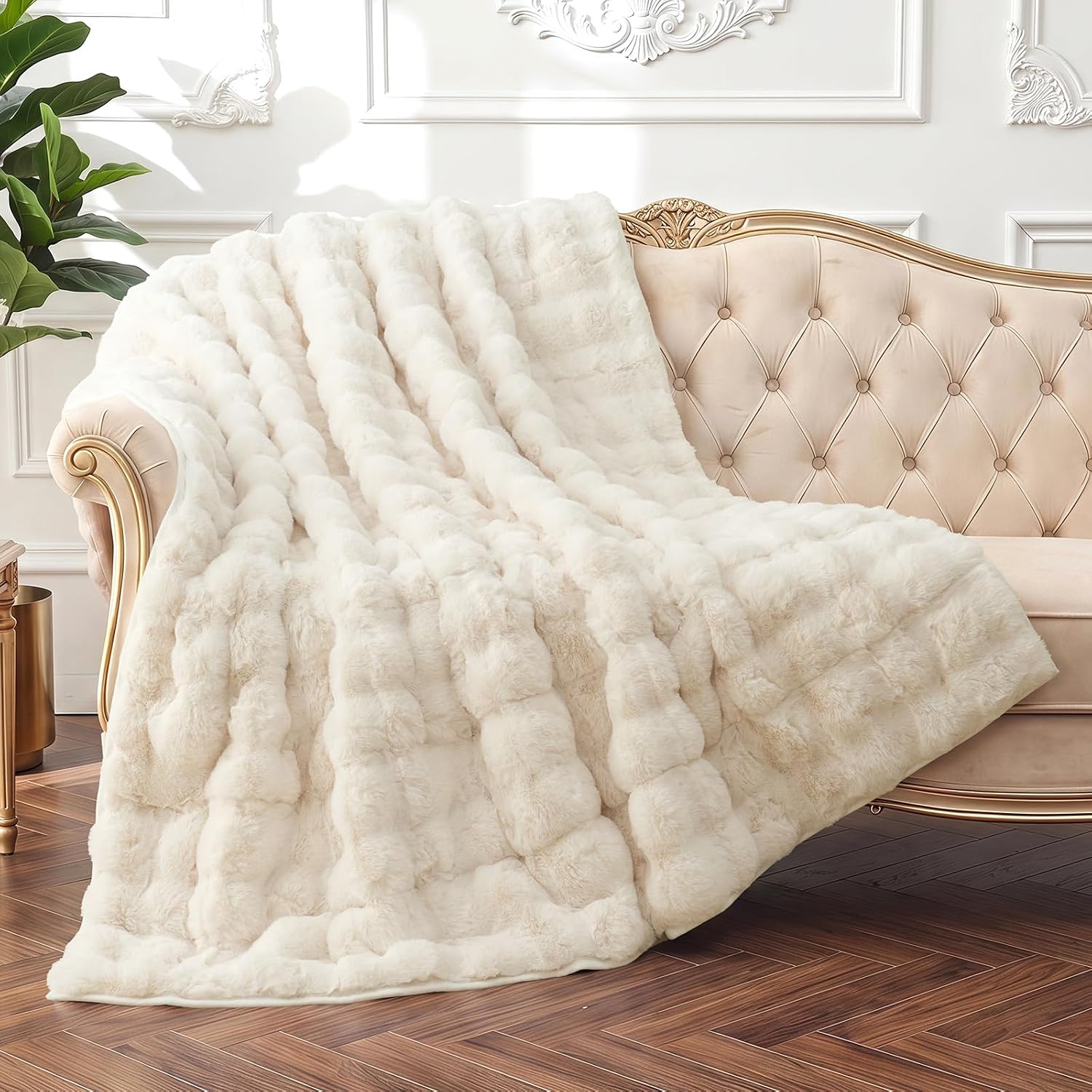
Wemore Fluffy Weighted Blanket, 80 x 87, 15 lbs, King, Cream
Largest footprint of the four, plush cover feels less clinical than cotton
Fluffy fabric sleeps warm and collects pet hair, weight spread thin across a king footprint
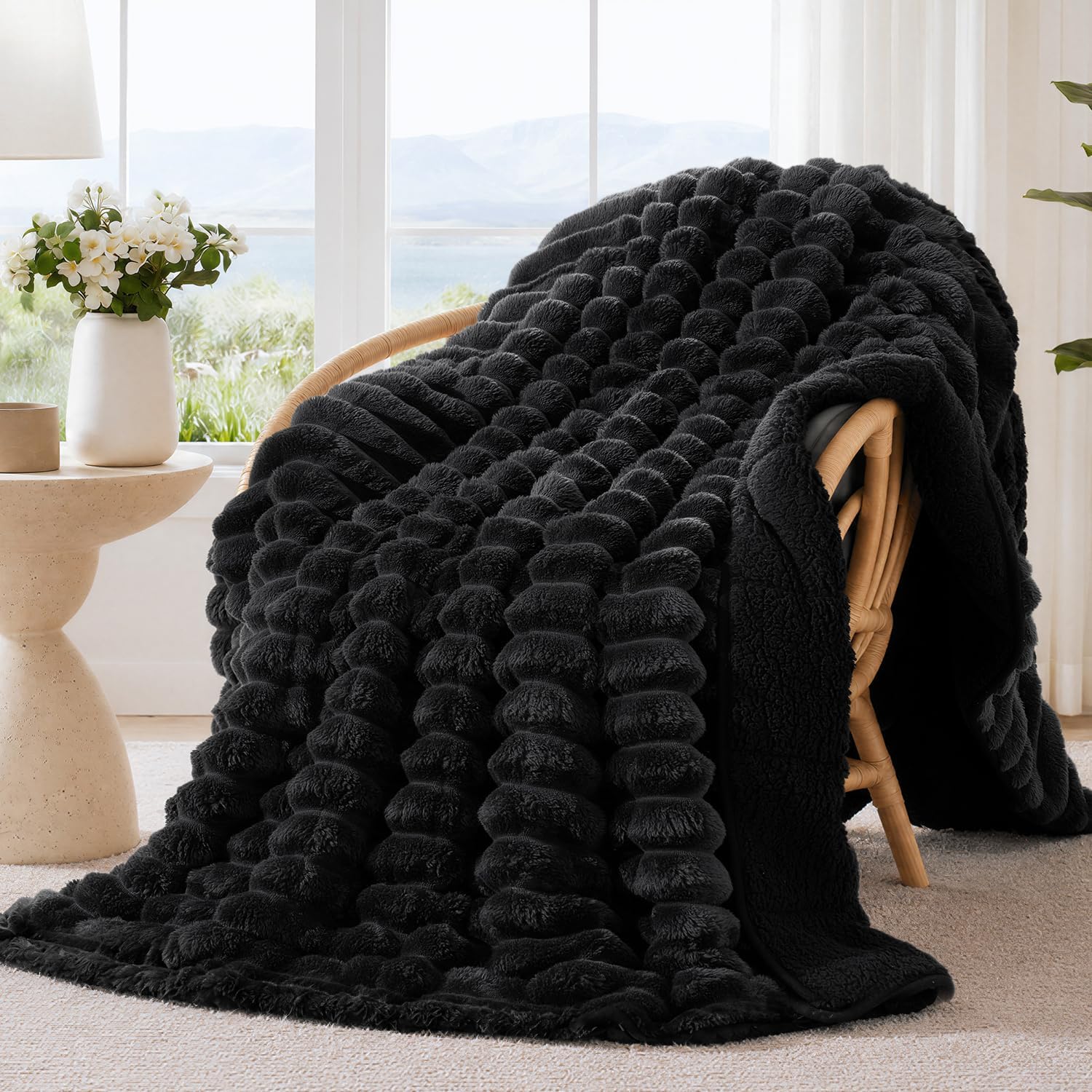
Drewin Weighted Blanket, 60 x 80, 15 lbs, Soft Throw, Black
15 pound middle ground, dark cover hides wear, reads as a normal throw
Nothing in the spec sheet separates it from a dozen lookalikes, so stitching is the whole story
Prices and availability were captured from Amazon Creators API and may change.
What the specs tell you before the box arrives
Three of these four are 15 pounds in a 60 x 80 inch footprint, which is the size and weight most adults land on after one round of buying the wrong thing. The fourth is a 20 pound chunky knit. The variable nobody advertises loudly enough is the shell fabric. A cotton cover, a knit, and a plush cover are three completely different sleep experiences at the same weight, and in a Chicago July that difference matters far more than the number on the label.
Here is what I check before a blanket earns a permanent spot on my couch. The claimed weight goes on the kitchen scale, because a blanket that arrives light is a blanket that was never going to do much. I feel the shell fabric against bare skin for ten minutes, since that is roughly how long it takes for a polyester cover to announce itself. I check whether the fill sits in channels or in one open pocket, and whether the corners have reinforced stitching. Bead distribution is not a marketing phrase. A blanket with a single open fill pocket pools its weight in the middle within a month, and you will feel every gram of it sitting on your sternum while your shoulders stay cold.
The chunky knit: Anysay, 60 x 80, 20 pounds
The Anysay is the outlier here because it is a knit, not a bead-filled shell. Chunky knit blankets carry their weight in layered yarn rather than glass beads, which means there is no fill to migrate, no baffle channels to fail, and no cold patches where the beads have drifted to the edges. If your complaint about weighted blankets has always been the lumpy, sandy feel of a bead layer shifting under you, this construction is the direct answer to that complaint.
The trade-offs are honest and twofold. First, it is 20 pounds, which is a real amount of weight to have on your chest, and for a 130 pound sleeper it sits well above the 10% guideline. Second, a wet knit is heavy in a way a wet cotton shell is not, so laundry day becomes a production and you should read the care label before you buy rather than after. If you sleep hot, the open knit structure breathes better than a tightly woven shell, but the texture is a sensory preference you either like in the first five minutes or never will. I have handed knit blankets to clients who adored the pressure and clients who found the yarn scratchy, and I can usually predict which is which within one minute of them touching it.
The cotton shell: 15 pounds, 60 x 80, queen
This is the blanket I would hand to most first-time buyers. Cotton is the shell fabric that behaves in a warm bedroom. It moves air, it does not turn into a sauna by 3 a.m., and it feels like a normal blanket against skin, which matters more than people expect when the entire point is to relax into it. Fifteen pounds in a 60 x 80 footprint is the middle of the range for an adult, and it is a weight almost anyone can push off without effort.
Where this category gets risky is construction, not fabric. This is the entry point of the group, and entry price points are where bead channels get shorter, corner stitching gets thinner, and the fill gets lighter per square inch. Before you buy, look for channel or quilt stitching across the entire surface and not just a border seam, and read the reviews specifically for the phrase "beads moved." My clients who abandon blankets do not abandon them because of the weight. They abandon them because the beads ended up in the corners and the blanket stopped doing anything at all. A cotton shell is also the easiest of these three fabrics to keep clean, which is a bigger factor in long-term use than most buyers admit at checkout.
The plush king: Wemore, 80 x 87, 15 pounds, cream
The Wemore is the largest blanket in this comparison by a wide margin, and size changes how 15 pounds feels. Spread that weight across an 80 x 87 inch king footprint and the pressure per square inch drops noticeably. Some sleepers love that, because it reads as an ordinary blanket that happens to feel grounding. Others find it too diffuse and want the pressure concentrated over the torso, which is the whole reason they bought a weighted blanket in the first place.
The plush cover is the bigger story. Fluffy fabrics sleep warm, and they collect everything in your bedroom: pet hair, lint, dust. If a dog sleeps on your bed, a cream plush cover is a commitment rather than a preference. The upside is that a plush surface feels less clinical than a cotton shell, which matters if you have ever tried to talk a skeptical partner into trying one of these. On a shared bed, note that a king blanket on a queen mattress drapes and hangs over the sides, and hanging weight is weight that is no longer on you. Measure the bed before you order, not after.
The dark soft throw: Drewin, 60 x 80, 15 pounds, black
The Drewin is the quiet middle of the group: 15 pounds, 60 x 80, soft cover, black. Black is a practical choice that nobody markets. It hides the wear that shows up first on lighter blankets, and it disappears into a dark bedroom instead of glowing cream against a navy duvet. As a throw for the couch, this is the one of the four I would leave out in the living room permanently.
The reason it sits in the middle is that nothing in its spec sheet separates it from a dozen similar blankets. That is not a criticism, it is a buying instruction. When two blankets share a weight and a size, the differences are stitch density, channel width, and corner reinforcement. Look closely at the photos of the quilting pattern before you order, and check whether the channels run the full width or stop short of the edge. Those two details are the difference between a blanket that holds its shape for years and one that develops a heavy lump in the center by Thanksgiving.
The 10% guideline is a starting point
The 10% of body weight rule gets repeated as if it were a prescription. It is not. It is a starting point, and I have watched a 200 pound client fall asleep under a 12 pound blanket while a 140 pound client asked for something heavier than the 20 pound knit. Weight is a range, not a rule, and the only reliable way to find your number is to start in the middle and adjust.
What I will say with confidence is that most people overbuy. Heavier does not feel more therapeutic, it just feels heavier, and a blanket that is too heavy is a blanket you will shove to the floor at 2 a.m. and resent by morning. If you are between sizes, take the lighter one. You can always add a second lighter layer, and a folded blanket doubles its weight over the area that matters. This is also why the 20 pound knit here deserves a warning label that the others do not: it is the right blanket for a specific sleeper, not the best blanket in the group.
Washability decides the outcome
I keep a mental list of which clients still use their blankets after a year, and it does not track with weight, price, or brand. It tracks with washability. A blanket you cannot clean is a blanket that ends up in the closet, usually around week six, usually after one sweaty night.
A cotton shell is the easiest of these three to live with. A plush cover needs more attention and will hold onto hair and dust between washes. A 20 pound chunky knit is the heaviest object in this comparison when it is wet, and heavy wet textiles are how washing machines get damaged and how blankets get stretched out of shape. Whatever you choose, read the care instructions before the first spill, not after, and check whether the blanket needs a duvet cover to survive a wash cycle. If it does, that is a design decision I consider a pet peeve rather than a feature.
Which one for which sleeper
If you are buying your first weighted blanket and you sleep warm, get the 15 pound cotton queen in the 60 x 80 footprint. It is the lowest risk of the four, the fabric is the most breathable, and 15 pounds is the weight most adults settle on.
If you already know you like deep pressure and you hate the feel of bead fill, get the Anysay knit. It solves the migration problem entirely and the 20 pounds is a genuine feature for a heavier sleeper. Just confirm you can launder it, or budget for a cover.
If you share a bed and want something that looks like bedding rather than medical equipment, the Wemore king in cream is the one your partner will not complain about. Understand that you are trading pressure density for size.
If you want a throw for the couch that does not announce itself, the Drewin in black is the practical pick. Verify the stitching in the listing photos, because that is the only thing you are really buying at this weight and size.
What I am watching next
I think this market is splitting in two. One side is medical-adjacent: certified weights, washable shells, bead channels that are actually engineered. The other is wellness-lifestyle: fashion fabrics, premium prices, and a lot of "therapeutic" language with nothing behind it. Watch the fabric technology, because phase-change cooling shells are the next premium tier and they will solve the exact problem that makes people abandon blankets in summer.
The other prediction I am keeping on my list: the abandonment problem is going to push somebody into rental or trial programs within a few years, because a blanket is a sensory purchase and nobody can tell you whether you will like 15 pounds on your chest except your own chest. Until that exists, buy from a seller with a real return window.
And the honest part, which I tell every client: the evidence on weighted blankets is mixed, the placebo effect is real, and this is a sleep aid rather than a treatment. For some people it works beautifully. For others it is a very nice blanket. Both of those are fine reasons to buy one, as long as you know which one you are getting.