I bought my first weighted blanket in 2019 out of pure desperation, back when I was the insomniac and not the person writing about it. Five years and fourteen blankets later, I am an occupational therapist in Chicago who works with anxiety and sensory-processing clients, and I have watched the same story play out over and over. Someone buys a blanket, loves it for two weeks, and then it lives on a closet shelf until a move forces a decision. This weighted blanket comparison is my attempt to explain why that happens before you spend the money, using four blankets that cover the weight and size range most adults are actually choosing between.
Related: How to Choose a Weighted Blanket Weight
The blanket I would hand to most adults first is the Mr. Sandman Cooling Queen at 15 lbs, because 15 lbs across a 60 by 80 inch footprint fits the widest range of sleepers, and the cooling shell gives it a second season instead of a summer vacation in the closet. But that is the short answer, and the short answer is what gets people into trouble. These four blankets are not really competing with each other. They are four different answers to four different questions, and the most common mistake is buying the answer to a question you never asked.
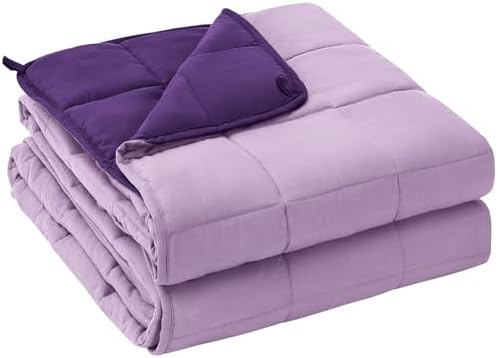
yescool King Size Weighted Blanket for Adults (20 lbs, 80 x 87 inches, Grey)
The only option here sized for two people, with a 20 lb fill the listing maps to 190 to 210 lb sleepers, plus a machine washable build and a cooling, breathable shell
20 lbs is a genuine commitment to move and reposition, and a king footprint on a queen bed drags on the floor
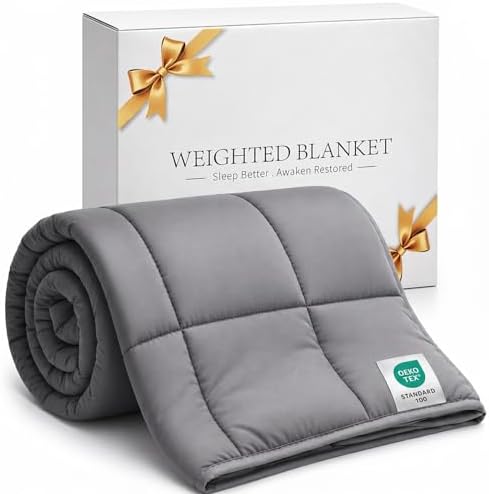
Smart Queen Weighted Blanket 5 lbs (41 x 60 inches, Grey)
The cheapest way to find out whether you even like the sensation, with glass beads, a cooling shell, machine washability, and a throw size that fits a chair or a lap
5 lbs is below what most adults need for overnight proprioceptive input, and a throw will not cover an adult bed
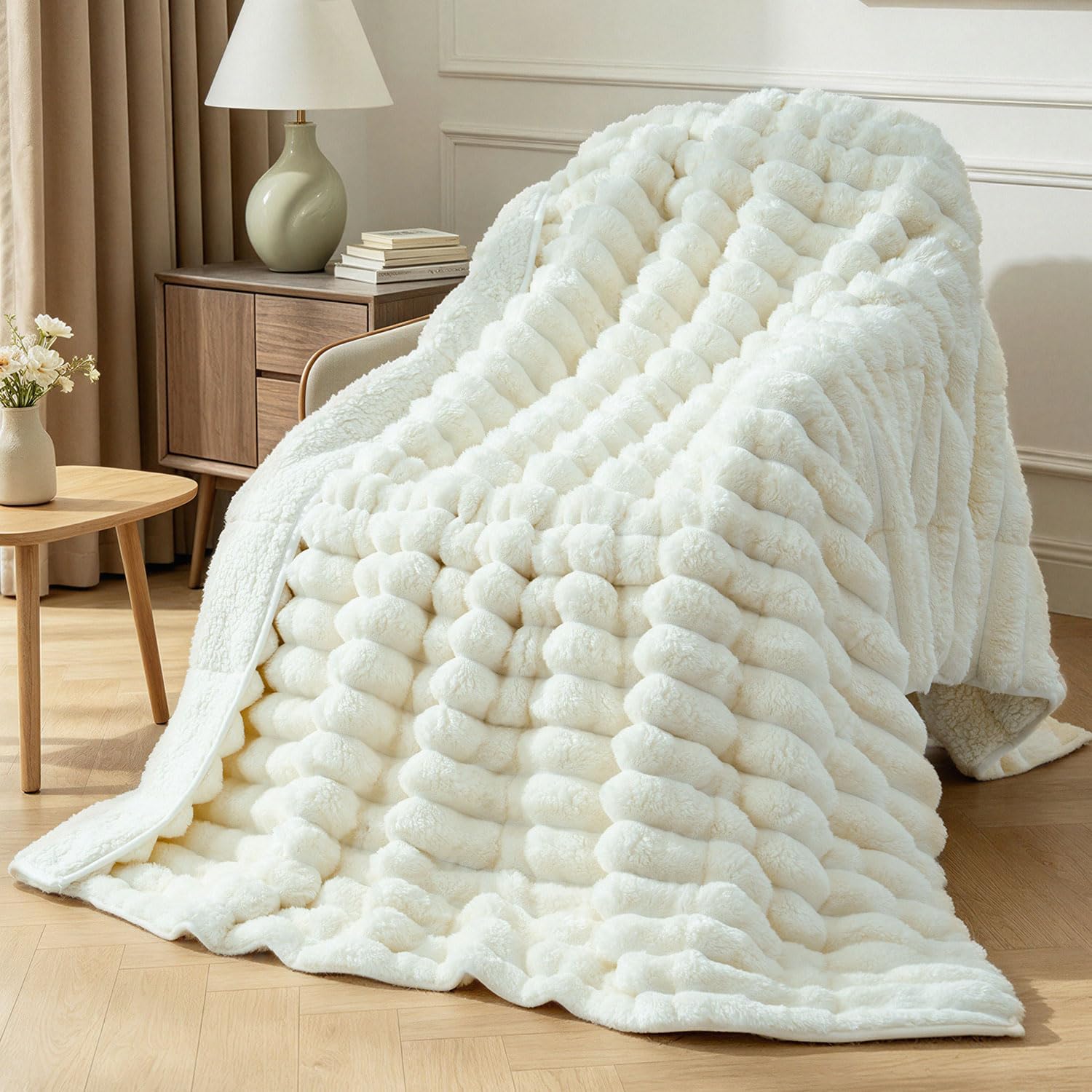
Mr. Sandman Weighted Blanket for Adults, Queen Size 60 x 80 Inches, 15 lbs
The most forgiving spec in the group, a mid-range weight on a standard queen footprint that suits a wide band of body sizes
The listing carries no cooling language, so hot sleepers may find it a three-season blanket
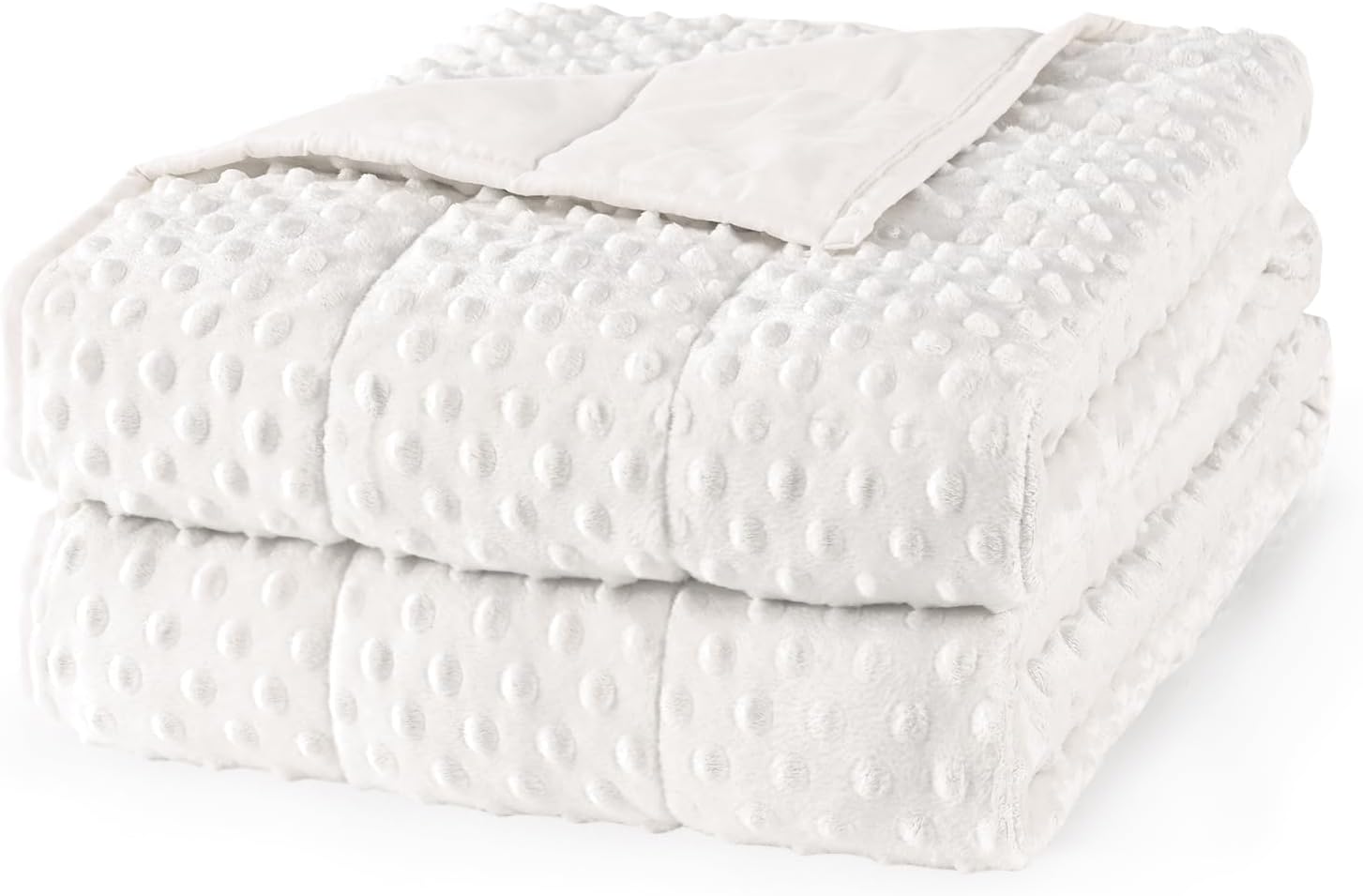
Mr. Sandman Cooling Weighted Blanket for Adults, Queen Size 15 lbs, 60 x 80 inches
Same weight and footprint as the standard version, but built around a cooling shell for people who run hot
A cooling shell manages heat, it does not create cool, and no fabric saves you in an 80 degree bedroom
Prices and availability were captured from Amazon Creators API and may change.
How I evaluate these four blankets
I weigh every blanket on a kitchen scale, because listed weight and felt weight are not the same thing, and I check how the fill behaves when the blanket is lifted by one corner. I also watch shell fabric and stitch density, which is where most of these products succeed or fail. Fabric is the product. Glass beads inside a shell that traps heat is a blanket you abandon by week two, and I have the client stories to prove it.
The other thing I look at is bead distribution. A blanket that pools its weight in the middle is a sack of potatoes on your chest, and no amount of marketing fixes it. You cannot inspect bead distribution from a product photo, which is exactly why the return window matters more than the review count.
A word on the 10% guideline before we go further, because it is treated as gospel and it is not. Ten percent of body weight is a starting point, not a prescription. I have watched a 200 pound man fall in love with a 12 pound blanket and a 130 pound client feel smothered by 15. The number gets you into the right neighborhood. Your body decides the rest.
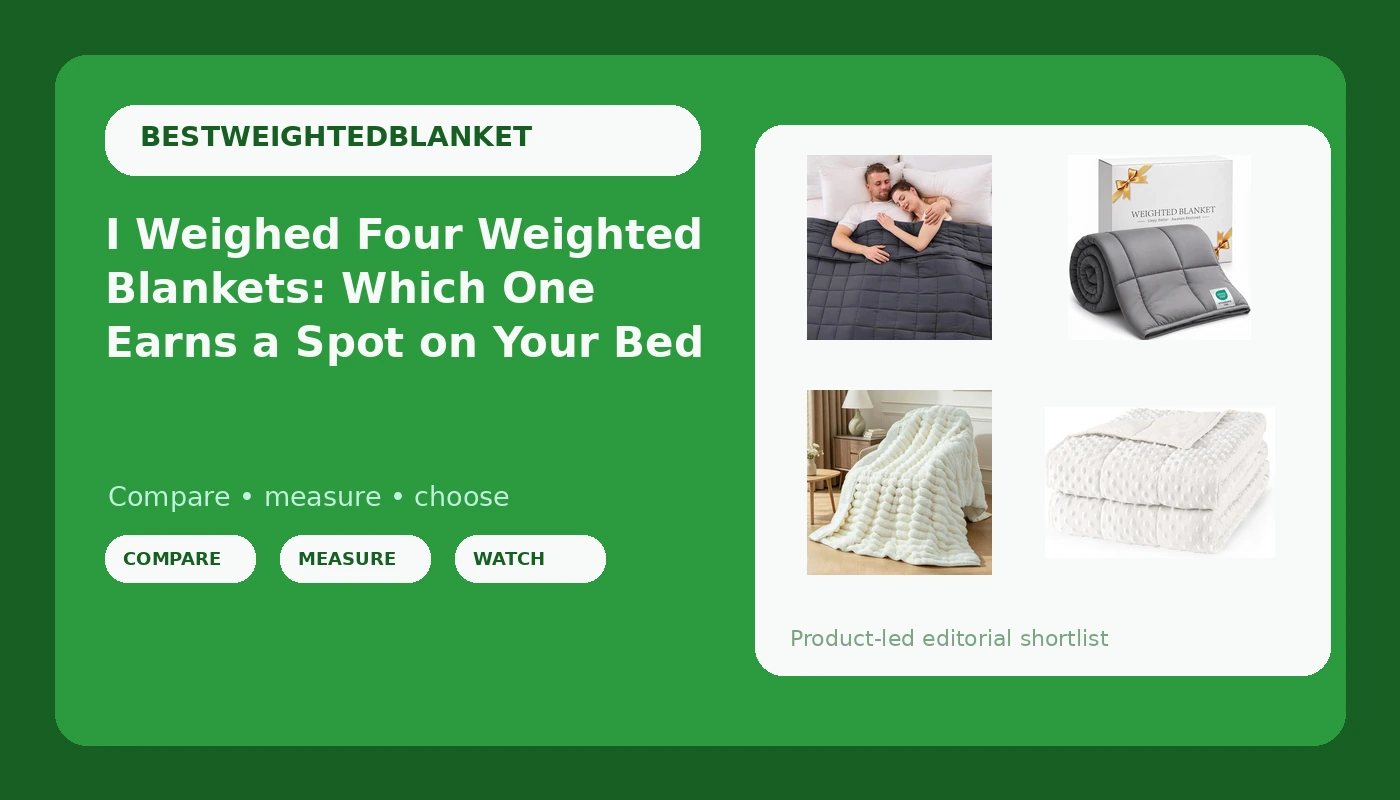
The 20 lb king: yescool King Size Weighted Blanket
This is the only blanket in the group built for two people. A 20 lb fill spread across 80 by 87 inches means the weight is distributed over a much larger surface than the queens here, so per square foot it is not as heavy as the number suggests. The listing maps it to sleepers in the 190 to 210 lb range, which lines up with the 10% starting point, and it is machine washable, which matters more than any other single feature I can name.
The trade-offs are honest ones. Twenty pounds is heavy to lift, fold, and reposition, and if you are sharing a bed with someone who does not want a weighted blanket, a king size does not give them an escape route. On a queen mattress, an 80 by 87 inch blanket drapes past the edges and will collect floor dust. Buy this if you and a partner both want the sensation and you have a king bed, or if you are a single sleeper who genuinely likes a lot of weight and a lot of coverage.
The 5 lb throw: Smart Queen Weighted Blanket
I recommend this category to clients constantly, and for one specific reason. A 5 lb throw at 41 by 60 inches costs the least of anything here and answers the only question that matters at the start: does deep pressure actually help you fall asleep, or does it just make you feel pinned? Premium glass beads, a cooling shell, and machine washability are all present, and the throw size means it works on a couch, in a chair, or over your legs while you read.
Where it falls short is overnight use. Five pounds is under the threshold most adults need to feel meaningful proprioceptive input, and 41 by 60 inches will not cover an adult bed. If you buy this as a permanent sleep solution, you will probably be disappointed. If you buy it as a two-week experiment before committing to a queen, it is the smartest money in this comparison.
The two Mr. Sandman queens: same weight, two shells
Here is the interesting part of this group. Two of these blankets are 15 lbs on a 60 by 80 inch queen footprint. The only real difference in the listing is the shell, with one version marketed as cooling and the other as a standard build. That is not a marketing trick, it is the actual variable that decides whether a blanket gets used.
Fifteen pounds on a queen is the middle of the road, and the middle of the road is where most adults belong. It is heavy enough to register as pressure without feeling like a wrestling match, and 60 by 80 inches covers a single sleeper properly or sits on one half of a shared bed. If you are somewhere between 120 and 180 pounds and you have never owned a weighted blanket, this is the spec I would start with, then adjust after two weeks.
The choice between the two comes down to one question: do you sleep hot? If you wake up sweaty in a normal duvet, take the cooling version. If you sleep in a cold room and pile on layers in January, the standard build is the more sensible pick, and you can put the difference toward a better pillow. The standard version carries no cooling language in its listing at all, so treat it as a three-season blanket in a Chicago apartment without central air.
What the spec sheets will not tell you
Every listing here gives you weight, dimensions, and a fabric adjective. None of them tell you what stitch density the baffles use, and that is the spec that predicts whether the beads stay where they are put. A blanket with wide baffles and thin stitching will migrate its fill toward the edges within a month, and then you are sleeping under a heavy border and a light middle.
Washability is the second invisible spec, and it decides the outcome more often than weight does. A blanket you cannot wash is a blanket that ends up in the closet, and I have watched it happen to people who swore they would hand wash and air dry. Two blankets in this group are explicitly machine washable in their listings. For the other two, check the care instructions on the product page before you buy, and be honest with yourself about whether you will follow them.
The third invisible spec is the shell. Cotton and bamboo breathe. Polyester shells can run warm. In a Chicago summer, the fabric decides whether you use the blanket in July or store it until October, which is why I care more about shell material than about any therapeutic language on the packaging.
Cooling claims and the summer problem
I want to be careful here, because cooling is the most oversold word in this category. A cooling shell can move heat away from your body and feel cooler to the touch, and that is a real benefit. It cannot lower the temperature of a bedroom. If your apartment is 80 degrees at midnight, a cooling blanket will feel less bad than a warm one, and that is the honest extent of it.
What I look for is breathability, which is a fabric property, and a shell that does not trap humidity against your skin. That is measurable with a humidity sensor, and it is the reason I stopped recommending heavy polyester shells to clients years ago. Three of these four listings use cooling or breathable language, which tells you the market has noticed that abandonment is usually a heat problem, not a weight problem.
Who should buy which
For the 190 to 210 lb sleeper, or any couple who both want pressure, the yescool King Size at 20 lbs is the only one of the four that matches your body and your bed. Just measure your mattress first.
For anyone who has never used a weighted blanket, the Smart 5 lb throw is the low-risk trial. Use it on the couch for two weeks and see what your body does.
For most adults between 120 and 180 pounds who want one blanket that works all year, the Mr. Sandman Cooling Queen at 15 lbs is where I would put my money. It is the most flexible spec in the group.
For the same sleeper who runs cold and sleeps under layers, the standard Mr. Sandman Queen at 15 lbs is the same blanket with a warmer shell, and there is no reason to pay for cooling you will not use.
One boundary I hold with clients: this is a sleep aid, not a treatment, and the evidence on weighted blankets is mixed. It works for some people and does nothing for others, and the placebo effect is real enough that I never promise results. If you have a child who cannot move a heavy blanket alone, or if you are pregnant, talk to a clinician before buying anything, because safety comes before comfort.
What I am watching next
I keep a running prediction list, and the pattern I expect over the next few years is a split between blankets sold on washability and evidence and blankets sold on fabric fashion at a premium. Phase-change cooling shells are the next tier brands will charge for, and rental or trial programs are coming, because the abandonment problem is expensive enough that someone will build a business around solving it.
For now, the practical version of that prediction is simple. Buy the weight that fits your body, buy the size that fits your bed, and buy the shell that fits your bedroom temperature. Get those three right and you will still be using the blanket next September. Get them wrong and you will be writing a review about how weighted blankets do not work.