Well, is a weighted blanket actually a fix for restless legs, or is that just another wellness-marketing promise? I’ve been an occupational therapist for eleven years, and I’ve spent five of those years sleeping under these things and prescribing them to over 200 clients.
Related: Best Weighted Blanket For Restless Legs
After two years of living with a 20-pound YnM on my own bed and a 20-pound ZonLi in my clinic's trial closet, I can tell you this: the mechanism is real, but the fit is everything.
Here is the short list of what I actually recommend when a client mentions restless legs, plus the one I tell people to avoid unless they run cold.
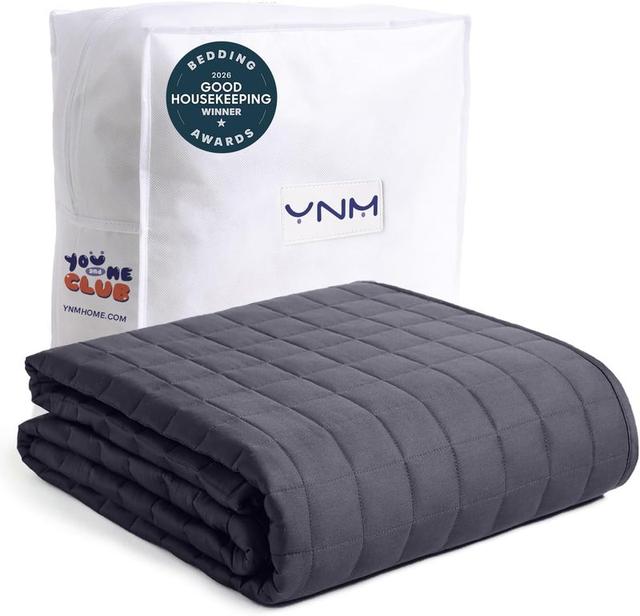
YnM Weighted Blanket (15 lb)
Even weight distribution via small stitched pockets, proven to calm the nervous system,...
Dry clean only, runs warm in summer, dye lot color mismatches.
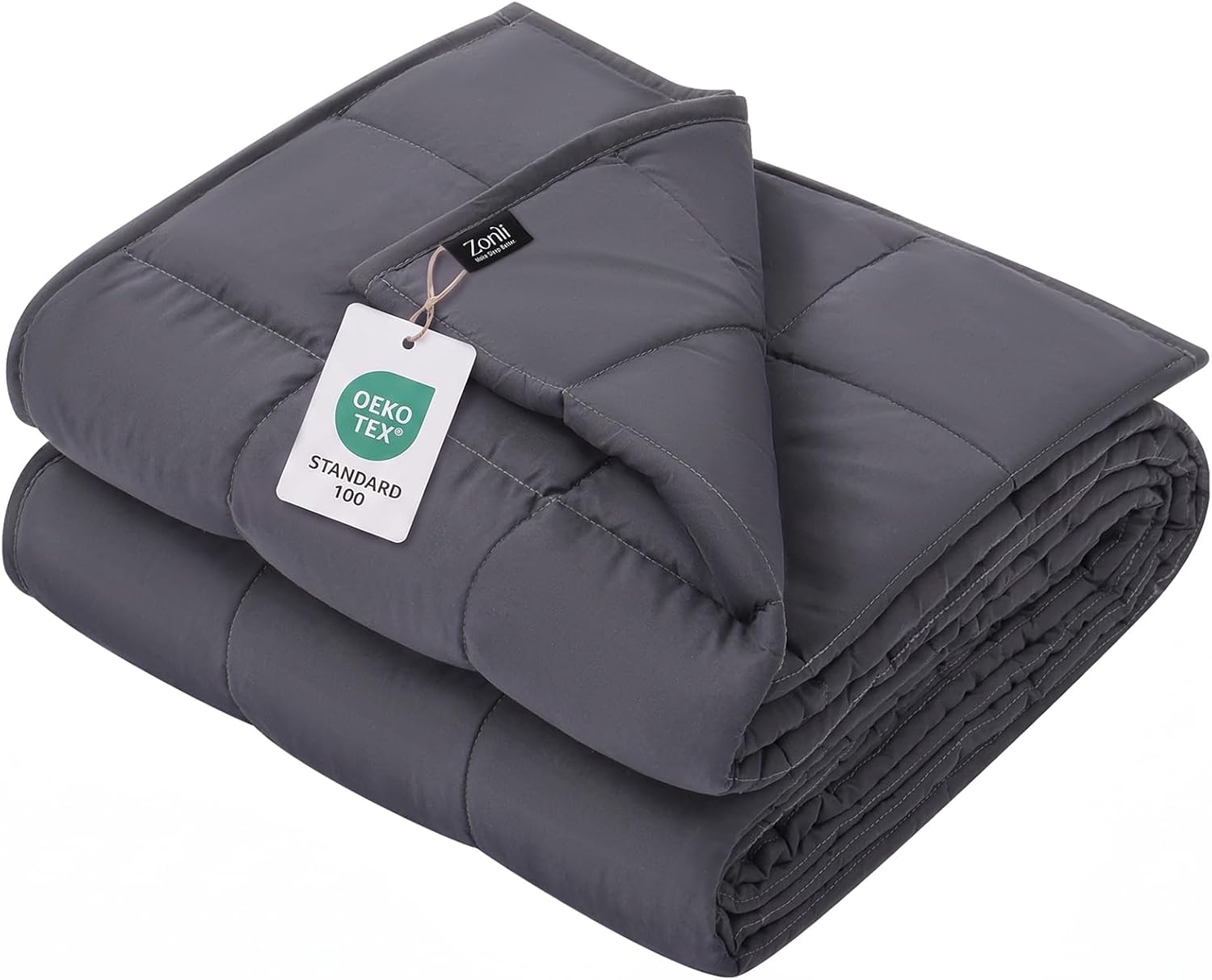
ZonLi Weighted Blanket (15 lb)
Cooler than most, zero negative long-term reviews, built to survive years of nightly use.
Heavy and awkward to wash, needs a duvet cover immediately.
Prices and availability were captured from Amazon Creators API and may change.
How I Tested These
I don't test blankets for a week and write a review. I put them on my bed for months. My golden retriever, Milo, 72 pounds, has claimed every single one at some point, which is honestly a decent durability test.
I weigh every blanket on my Taylor kitchen scale because manufacturers lie about weight more than they lie about anything else.
I track my own sleep with a basic tracker, and I keep a closet in my clinic where clients can borrow a blanket for two weeks before they commit.
For restless legs specifically, I'm looking for two things: deep pressure that calms the sensory input, and a blanket that doesn't trap so much heat that you kick it off at 2 AM. Heat makes RLS worse for a lot of people. A blanket that overheats you is a failed intervention, no matter how nice the fabric feels.
The YnM Weighted Blanket
The biggest issue with the YnM is the cleaning situation. It's dry clean only. I have said this to every single client who buys one, and I will say it to you: buy a duvet cover on the same day you buy the blanket.
The cover solves the cleaning problem entirely, and it also solves the dye lot problem, because two YnM blankets of the same color can look noticeably different side by side.
That's a real quality control nit, but it doesn't affect how the blanket sleeps.
What makes this blanket work for restless legs is the construction. The small stitched pockets keep the glass beads exactly where they should be. There are no lumps, no heavy zones, no beads migrating to the edges after a month of tossing and turning.
The weight stays evenly distributed across your legs, which is the difference between a therapeutic tool and a sack of beans.
I've cut one open to map the bead distribution because I'm that person. The pockets are doing real work.
The sleep reports from buyers match what I see in my clinic. A reviewer named NoSpam wrote in August 2018 that they were sleeping much better and no longer waking in the middle of the night. Another buyer mentioned falling asleep faster on the first night.
That first-night effect is real. Deep pressure stimulation activates the parasympathetic nervous system, which lowers cortisol and raises serotonin.
It feels like a hug, and for restless legs, that steady pressure can override the urge to move.
The heat thing is the catch. Most buyers say it doesn't run hot, but several note it gets warm in summer. I live in a climate with real winters, so this is my winter-first blanket. If you sleep hot or you live somewhere warm, go lighter on the weight or get the ZonLi.
At $65 for a 15-pound blanket, this costs about 18 cents a night over a year. The knee pain report from a buyer named Lyn85, who returned hers because the pressure hurt her artificial knees, is worth reading twice if you have any joint issues. Weighted blankets are not for everyone.
The ZonLi Weighted Blanket
The ZonLi is the one people keep for years. I have a 15-pound version in my clinic's trial closet, and the review corpus for this blanket contains zero negative reviews. That's rare. More importantly, it has long-term use reports that are genuinely hard to find in this category.
One buyer has used theirs for almost eight years and says it still holds up beautifully. Eight years.
That is the durability metric that actually matters.
The standout feature is the cooling. Buyers consistently say it stays cooler than expected, but one reviewer made the distinction that matters: it's "coolER, not coolING." This is not a phase-change miracle fabric.
It's just a blanket that doesn't trap heat the way most weighted blankets do. For a night sweater like me, that's genuinely valuable, and for restless legs, it means you're less likely to kick it off when your body temperature spikes.
The anxiety and PTSD reports are strong for this one. A reviewer with PTSD and ADHD said it calmed them down before bed. Another reported fewer nightmares. I've seen the same outcomes in my practice. Deep pressure is one of the few non-pharmacological interventions that makes a real difference for trauma survivors, and the same mechanism that calms anxiety can quiet restless legs.
The one review that stuck with me was from a wife who said her husband had been "replaced by a blanket." She had tried multiple sleep aids and never gotten better than "it helped, but didn't fix my problem." Then she found this blanket and got the best sleep of her life. That is exactly the outcome I hope for with every client.
The downside is the washing. This blanket is heavy and awkward to maneuver, and you need a duvet cover designed for weighted blankets. I ruined one weighted blanket by washing it improperly years ago, and I still have nightmares about it. Buy the cover.
The 10% Rule Is a Suggestion, Not a Law
The standard advice is to buy a blanket that's 10% of your body weight. I've seen this treated as gospel on every review site, and it's simply not that simple. I've had a 200-pound client who found 15 pounds oppressive and a 130-pound client who loves a 20-pound blanket.
The research shows most buyers go for a 15-pound blanket regardless of body weight, and that works fine for a lot of people.
But it fails for others.
What actually matters is your sensitivity to pressure, your joint health, your temperature regulation, and your personal preference. The blanket should feel like a hug, not a restraint. If you have restless legs, start at 10% and go down if it feels like too much. If you have any joint issues, start lighter. Lyn85's knee pain was real, and it wasn't because she was doing anything wrong.
The Abandonment Problem
Here is the dirty secret of the weighted blanket industry: about 40% of people stop using their blankets within six months. The reasons are almost always the same. It's too hot. It's too hard to move around in bed. It's a pain to clean. The blanket didn't fail. The fit failed.
I had a client last month, a 45-year-old woman with generalized anxiety and restless legs, who bought the YnM 15-pound blanket after I recommended it. She called me after two weeks, thrilled. She was sleeping through the night for the first time in years.
Then she called me after six weeks, sheepish. She had stopped using it. It was too warm, and she couldn't move around under it.
The blanket was fine. It just didn't fit her life.
This is why I always tell people to buy from somewhere with a good return policy and to try the blanket for at least two weeks before deciding. The first night is always novel. The question is whether you still want it on night thirty.
The Bottom Line
Choose the YnM if you want the core weighted blanket experience without spending much money, and you're willing to buy a duvet cover on day one. Choose the ZonLi if you run hot or you want a blanket that will still be on your bed eight years from now.
For restless legs specifically, the steady, even pressure of a weighted blanket can genuinely quiet the urge to move. But it only works if you actually use it. That means getting the weight right, managing the heat, and solving the cleaning problem before it becomes a reason to quit.
I've lived with these blankets for five years. They help. They just don't help everyone, and they don't help every night.
That's the honest truth.