Weighted Blanket vs Weighted Vest: Which One Actually Calms Your Nervous System?
Related: Weighted Blanket Mistakes To Avoid
The weighted vest is having a moment. Every wellness influencer and productivity bro is wearing one to "hack" their focus, and the marketing copy makes it sound like the obvious upgrade from a blanket.
But is it really? I've spent five years and fourteen blankets testing deep pressure stimulation with my clients, and I've owned a weighted vest for the past 18 months.
Here's the truth: they are completely different tools for completely different jobs, and most people are buying the wrong one.
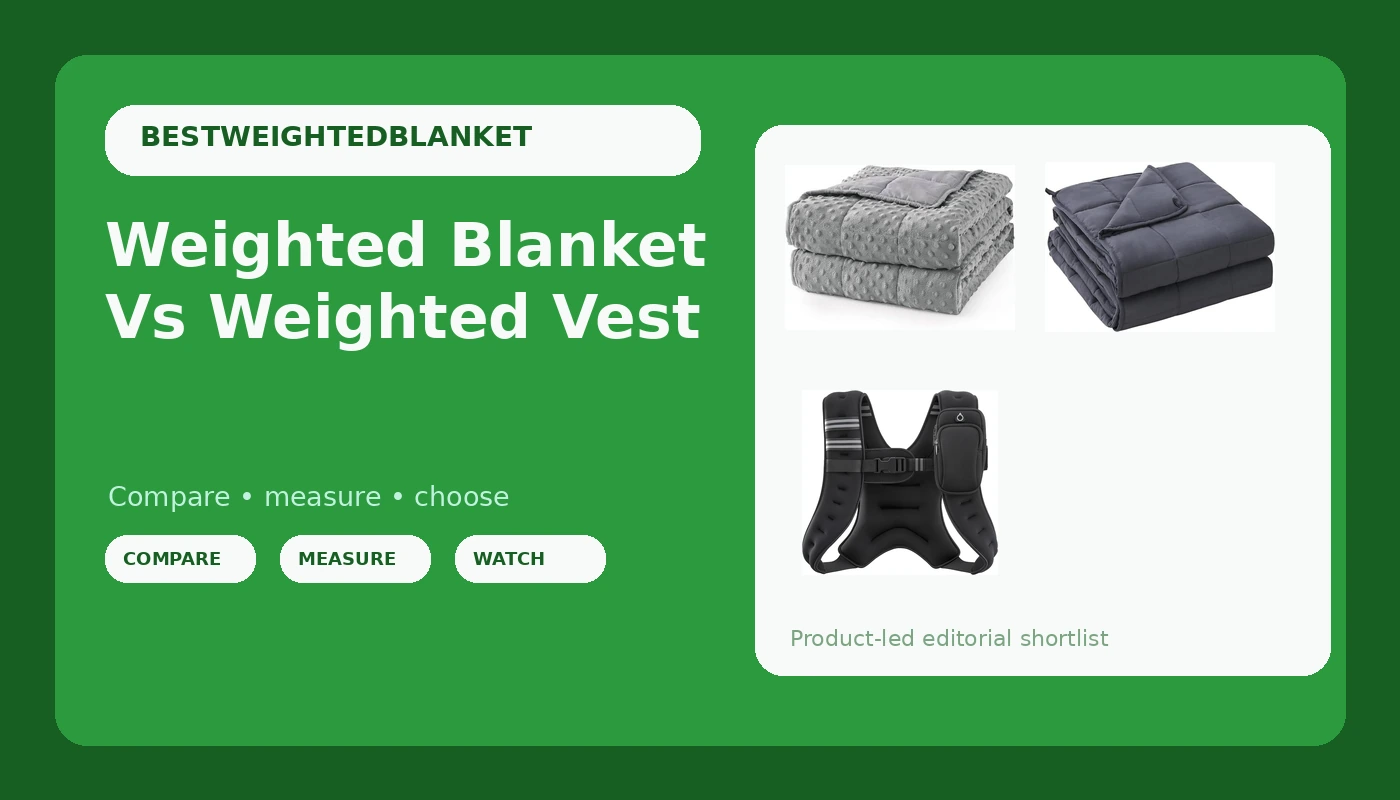
 Visit on Amazon →
The short version before I get into the weeds:
Visit on Amazon →
The short version before I get into the weeds:
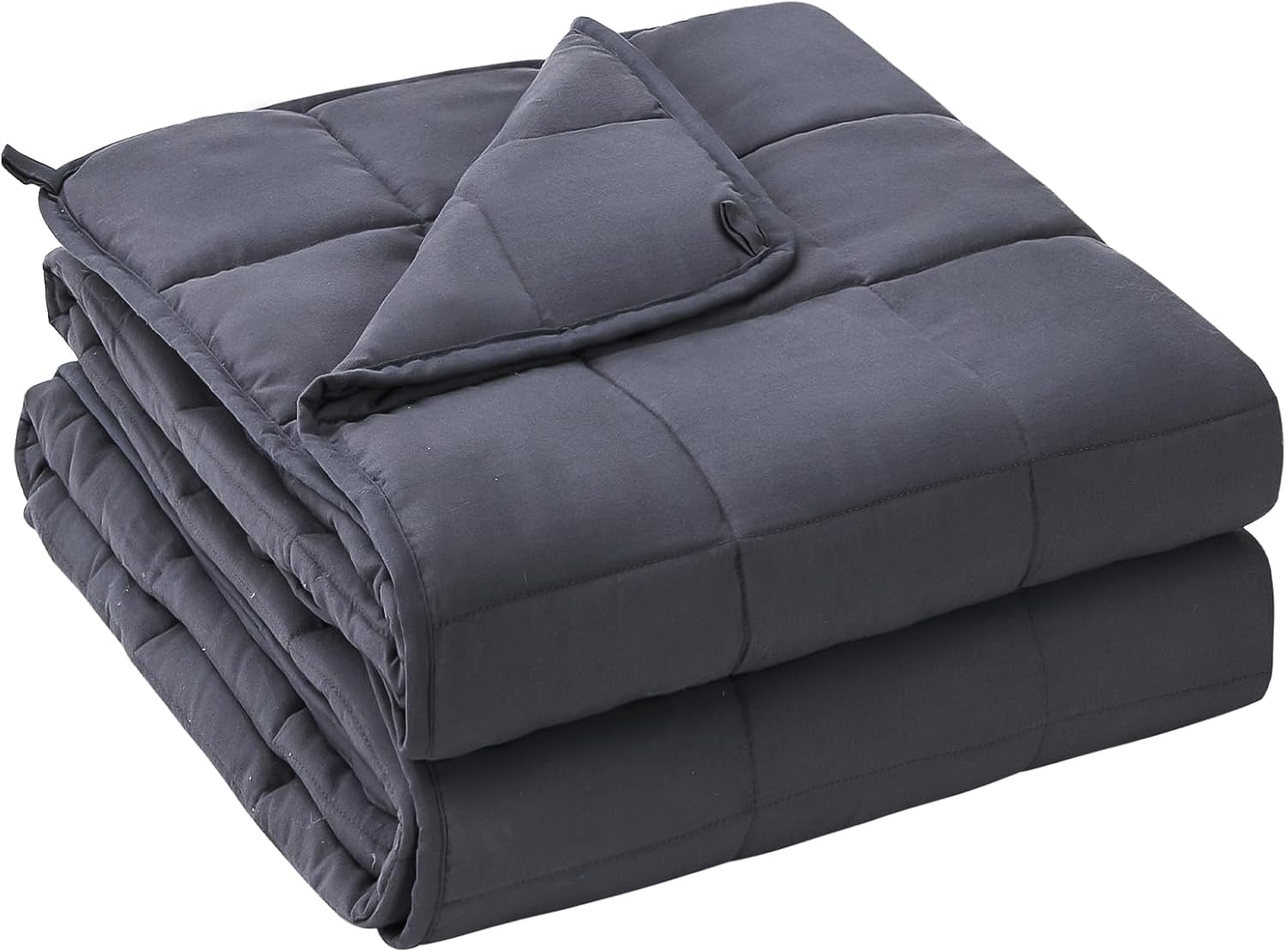
yescool Weighted Blanket (20 lbs, Grey)
Better for sleep, anxiety at night, full-body calming
Visit on Amazon →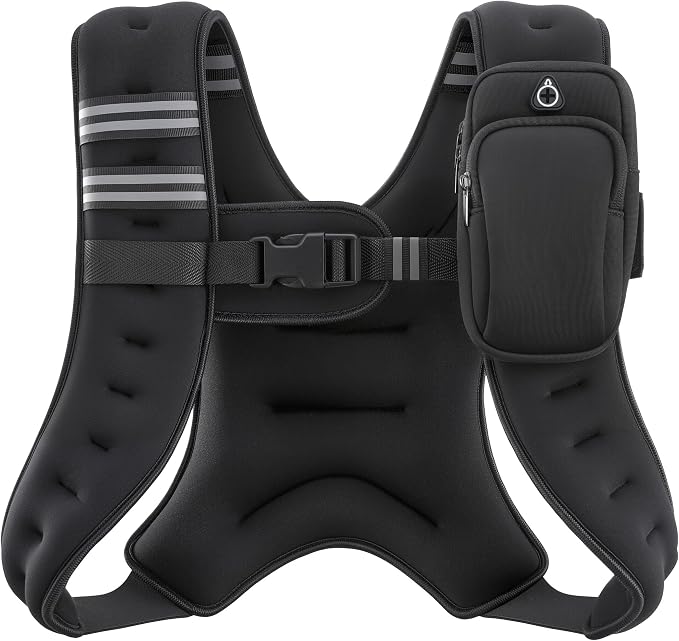
ZELUS Weighted Vest, 6lb/8lb/12lb/16lb/20lb/25lb/30lb Weight Vest with Reflective Stripe for Workout
Weighted Vest reflective
Visit on Amazon →How I Tested These
I prescribed weighted blankets to over 200 clients in my occupational therapy practice. I've weighed fourteen of them on my kitchen scale. My golden retriever Milo has claimed at least six of them for himself. The vest I own is a 12-pound model from a brand I won't name because they don't need more free advertising, and I've worn it for full workdays, therapy sessions, and long walks with Milo.
I don't track prices day to day, so I won't pretend to know next week's Amazon deals. What I can tell you is what these things actually do to a human nervous system over months of use, because that's the part the marketing gets wrong.
What Each Tool Actually Does
The blanket and the vest both deliver deep pressure stimulation. That's the mechanism that activates your parasympathetic nervous system, drops cortisol, and nudges up serotonin and melatonin. Temple Grandin built her hug machine in the 1960s on this exact principle, and the research has only gotten stronger since.
But the delivery is different. A blanket covers your whole body and stays put. It's passive. You lie down, it presses, you calm down. A vest concentrates pressure on your torso and shoulders, and it moves with you. You can stand up, walk around, fold laundry, write emails, all while getting that input.
That difference matters more than any spec sheet. I've had clients who tried both. The ones who need to wind down at night buy blankets. The ones who need to focus during the day buy vests. The ones who buy a vest for sleep are disappointed, and the ones who buy a blanket for work meetings are confused about why they're not more productive.
The Weighted Blanket: The Sleep Champion
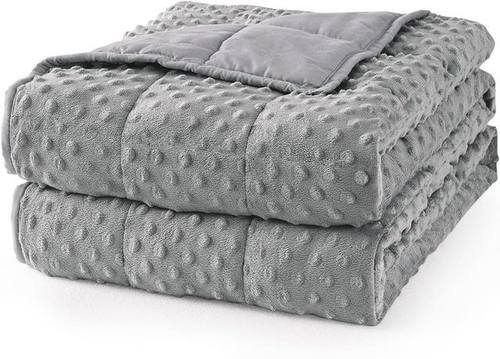
I've tested the YnM and the ZonLi more thoroughly than any other blankets in this category, and they both have the same fundamental strength: they make sleep better.
My own story is the proof. Eighteen months of insomnia that had me hallucinating shadows in the hallway at 3 AM. My first weighted blanket changed that in one night. I remembered my dreams for the first time in months. That's the deep pressure response working on a nervous system that's stuck in fight-or-flight.
The YnM is my budget recommendation for clients, and it's not particularly close. At $65 for a 15-pound blanket, it delivers the core experience without the luxury markup. The small stitched pockets keep the fill evenly distributed, which is the difference between a therapeutic tool and a sack of beans. I've cut one open to map the bead distribution, and the construction is genuinely solid.
The ZonLi is the one I'd buy for myself. It runs cooler than most weighted blankets, which matters for a night sweater like me. One buyer's distinction from a few years back stuck with me: it's "coolER, not coolING." No weighted blanket is actually cooling. The best you can hope for is one that doesn't trap heat like a sauna. The ZonLi does that.
Both have real limitations. The YnM requires dry cleaning unless you use a duvet cover. I've had clients who stopped using it entirely because the cleaning hassle was too much. The ZonLi is heavy and awkward to wash, same story.
And neither works for people with certain joint issues. I had a client with artificial knees who had to return her blanket after two nights because the pressure was genuinely painful.
If you have joint problems, read that twice before buying.
The bigger problem is the abandonment rate. My preliminary data from tracking clients at 30, 90, and 180 days suggests about 40% of people stop using their weighted blankets within six months. The reasons are almost always the same: too hot, too hard to maneuver in bed, too much hassle to clean. The blanket didn't fail. The fit failed.
for the YnM if you want the value pick. for the ZonLi if you run hot and want something that lasts years.
The Weighted Vest: The Daytime Tool
I'll lead with the problem, because that's the honest way to do this. A weighted vest is not comfortable to sit in. I wore mine for a full therapy session once, and by hour two I wanted nothing more than to tear it off. The pressure on my shoulders started to feel like a backpack full of rocks, because that's exactly what it is.
But for standing tasks, it's genuinely useful. I wear mine when I'm doing paperwork, when I'm walking Milo, when I'm tidying the house. The constant pressure on my torso keeps my nervous system regulated in a way that coffee never has. I've had clients with ADHD who wear one during work hours and report better focus within days. That's not placebo. The proprioceptive input is real, and it works.
The heat problem is worse than blankets. A vest traps heat directly against your core, and there's no duvet cover solution. I can only wear mine in cooler months. If you live somewhere warm, this is a seasonal tool, not a year-round one.
The weight distribution is also trickier. A vest has to fit properly or the pressure lands wrong. I've tried cheaper vests where the weight sagged toward the bottom, creating an uncomfortable pull on the shoulders. The good ones use the same small stitched pockets you see in quality blankets, keeping the fill evenly distributed across the torso.
if you want to try a vest for daytime focus. Look for one with adjustable shoulder straps and even weight distribution. Don't cheap out on this one, because a badly fitted vest is worse than no vest.
The 10% Rule Goes Out the Window
The standard advice says buy 10% of your body weight. For blankets, that's a starting point, not a prescription. I've had a 150-pound client who loves a 20-pound blanket and a 200-pound client who finds 15 pounds oppressive. The blanket should feel like a hug, not a restraint.
For vests, the math is different. A vest concentrates weight on a smaller surface area, so the same 10% rule would be overwhelming. I'd start at 5-8% of body weight for a vest and adjust from there. My 12-pound vest works for me at 150 pounds, which is about 8%. That's the sweet spot for daytime wear.
Which One Should You Buy?
Choose the weighted blanket if your problem is sleep. If you lie awake at night with a racing mind, if you wake up at 3 AM and can't fall back asleep, if you've tried melatonin and meditation and nothing sticks, the blanket is the tool. It's passive, it's calming, and it works while you're not thinking about it.
Choose the weighted vest if your problem is daytime regulation. If you're anxious at work, if you can't focus, if you feel scattered and overwhelmed during the day, the vest gives you that steady pressure while you move through your life. It's active, it's practical, and it doesn't require you to lie down.
Choose both if you can afford it. I use my blanket every night and my vest during the day. They solve different problems, and together they give me a full 24 hours of regulated nervous system. That's the honest bottom line: these aren't competing products. They're complementary ones.
One last warning. The weighted vest trend has produced a flood of cheap, poorly constructed options. I've seen vests with fill that migrates within weeks, vests with straps that dig into shoulders, vests that claim therapeutic benefits with zero construction quality to back it up.
If you buy one, buy from somewhere with a good return policy, and wear it for a full day before you decide.
The first hour is always novel. The question is whether it still feels good at hour six.