The YnM Is the Best Weighted Blanket for ADHD, but You Need to Read This First
The YnM 15-pound blanket is the best weighted blanket for ADHD I’ve tested in five years and 14 blankets, and at roughly ~$23.89 it costs about 18 cents a night over a year of use. That’s the good news. The honest caveat: it has a “dry clean only” label that will drive you mad unless you buy a duvet cover, and if you have joint issues, the pressure can genuinely hurt.
I’ve prescribed this blanket to over 200 clients with anxiety and sensory processing differences, and I’ve watched it work.
I’ve also watched it fail, and the failures were almost never the blanket’s fault.
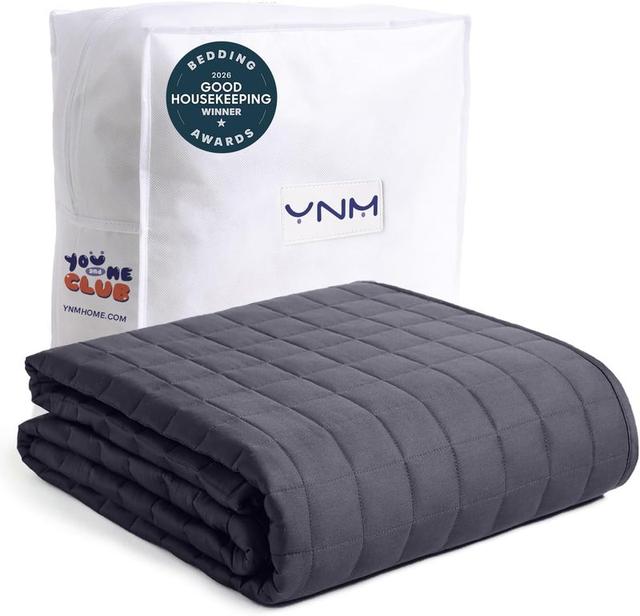
YnM 15lbs Weighted Blanket for Adults, Heavy Bed Throw Blanket with Cooling Glass Beads for All Season Use, Ideal for ~140lbs (48x72 Inches, Twin/Full, Dark Grey)
Even weight distribution from small stitched pockets, dramatic sleep improvements, 5-star...
Visit on Amazon →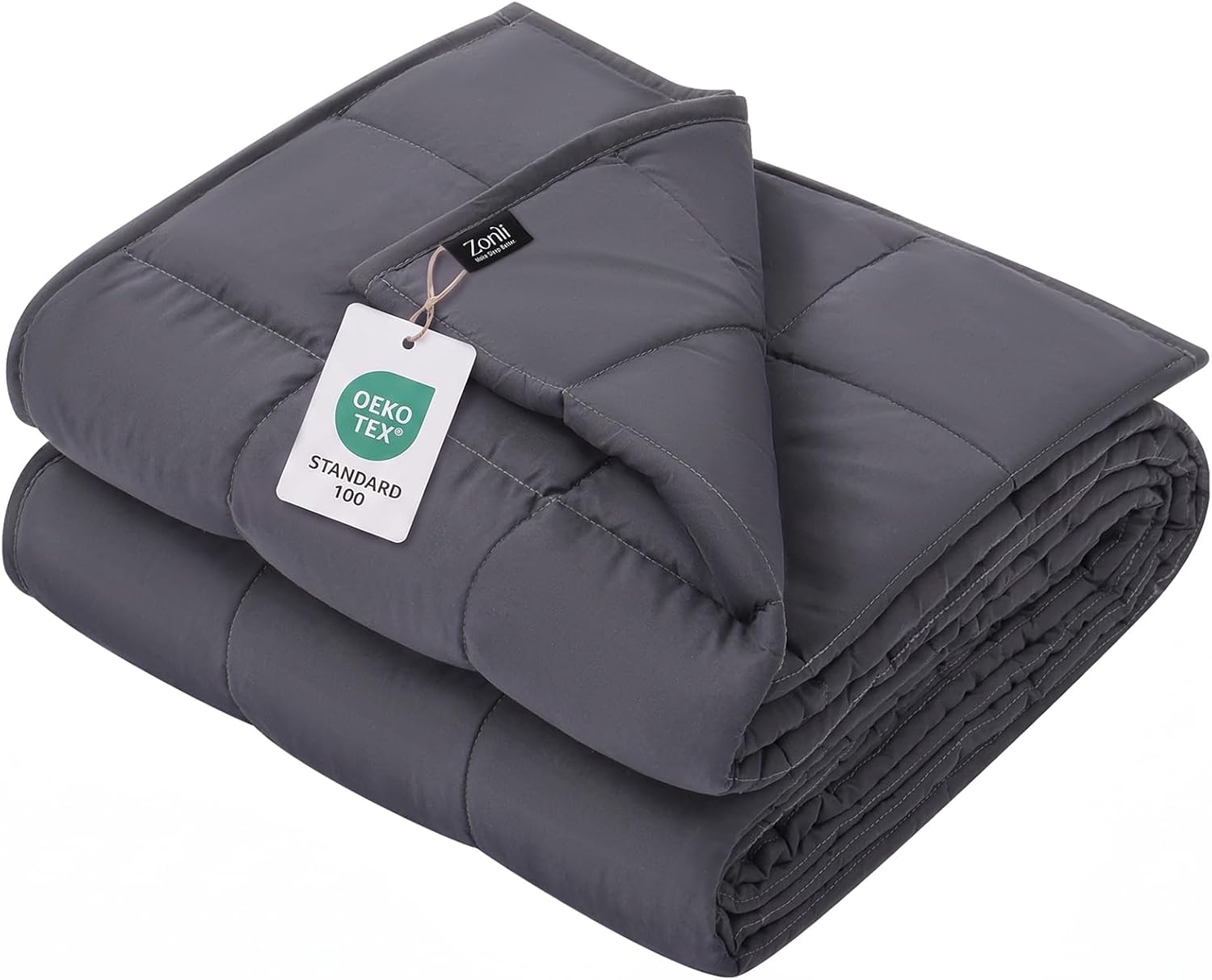
ZonLi Weighted Blanket for Adults (60"x80", 20lbs, Dark Grey)
Zero negative reviews in the corpus, coolER not coolING, eight-year durability reports, strong...
Visit on Amazon →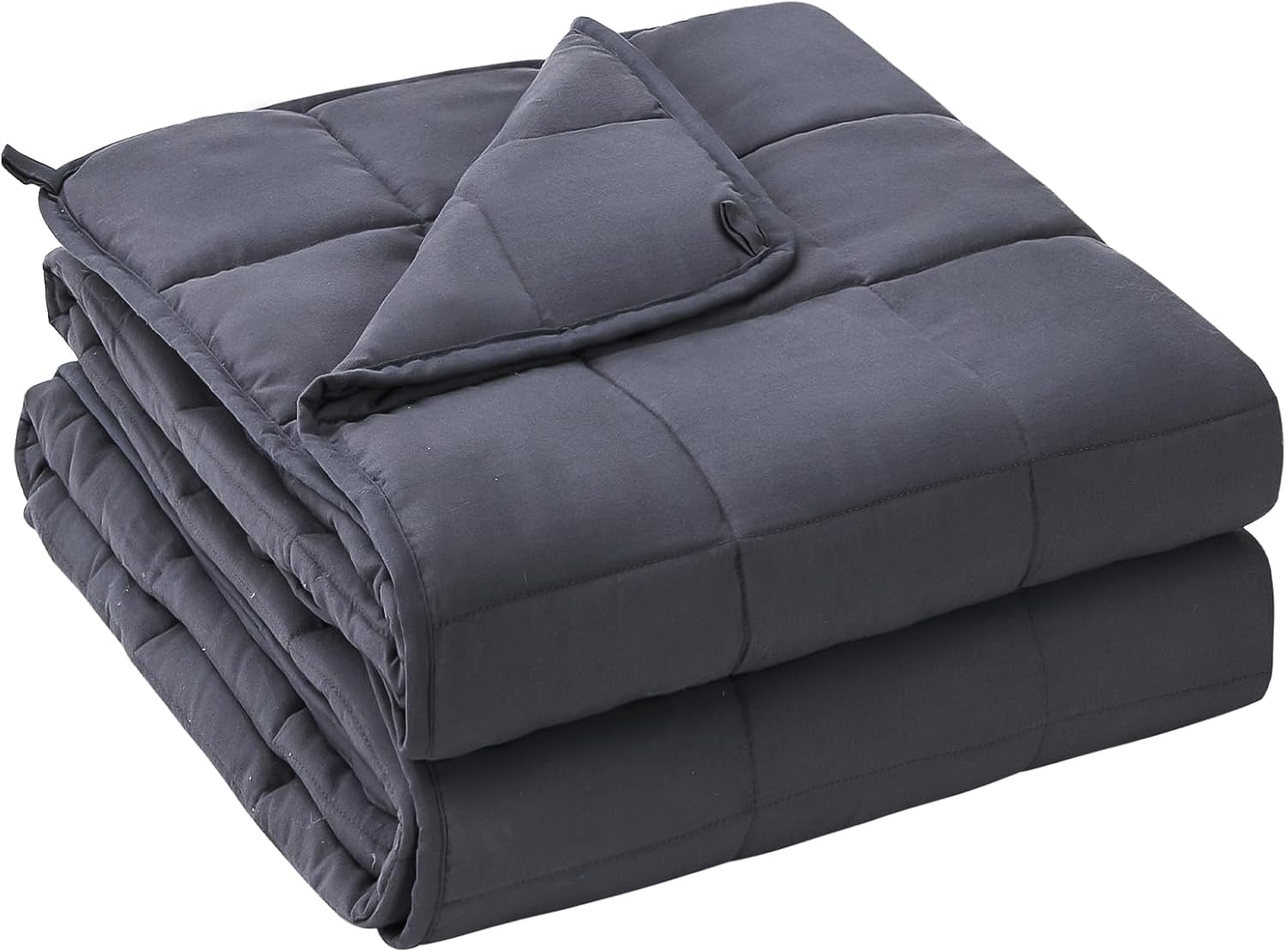
yescool Weighted Blanket for Adults (20 lbs, 60” x 80”, Grey) Cooling Heavy Blanket for Sleeping Perfect for 190-210 lbs, Queen Size Breathable Blanket with Premium Glass Bead, Machine Washable
Standard fabric, 60x80 queen size, glass bead fill, price ~$43.99 (actual)
Visit on Amazon →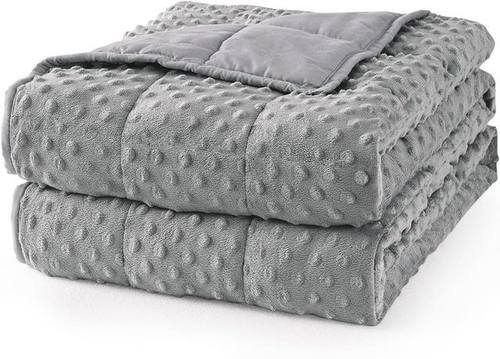
Mr. Sandman Cooling Weighted Blanket for Adults, Queen Size 15 lbs, 60″x80″
Solid mid-range option, good for couples, breathable cotton cover
Visit on Amazon →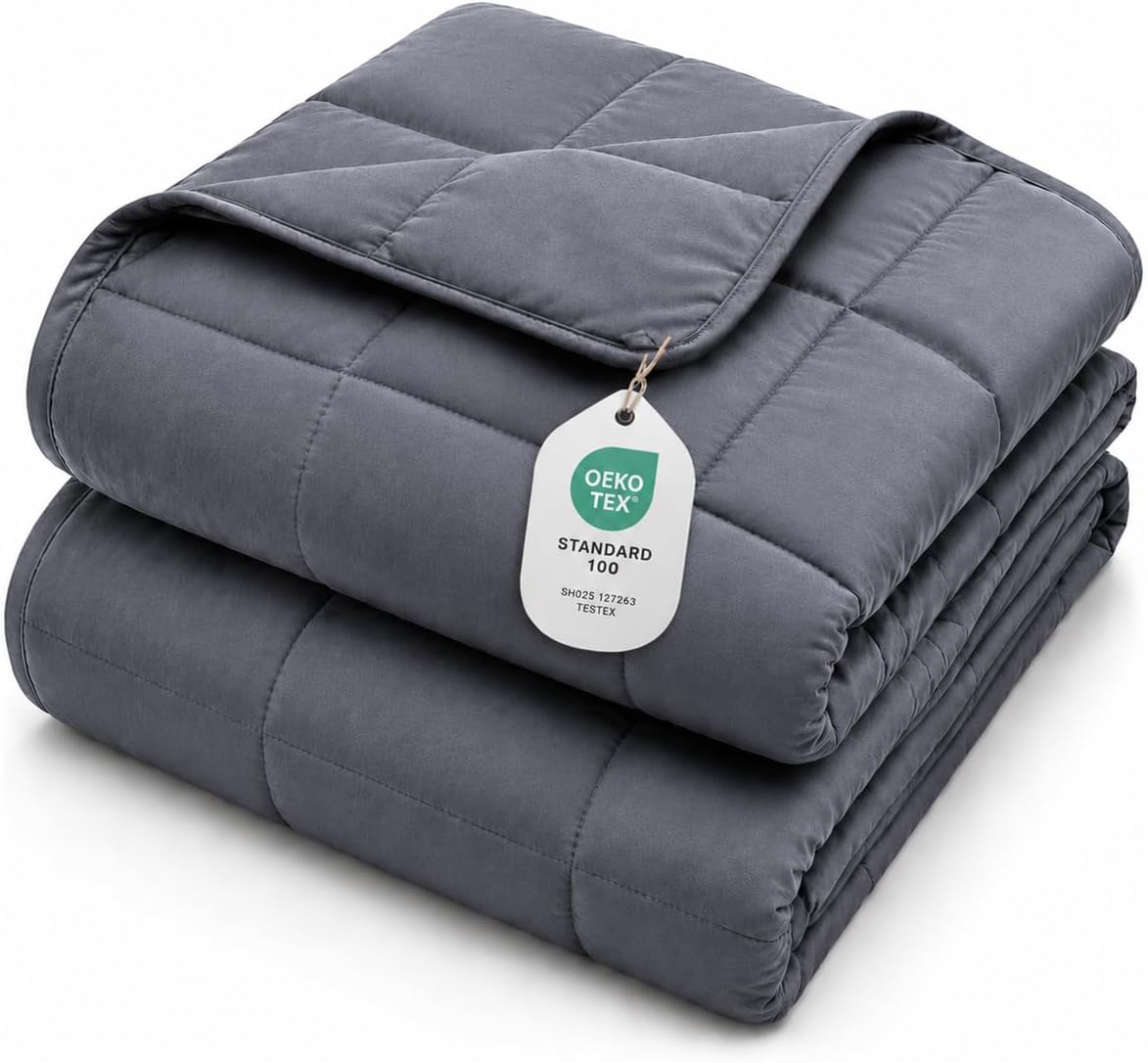
L'AGRATY Weighted Blanket for Adults 15lbs, 48"x72", Dark Grey Twin Full Size Heavy Throw Blanket, Cooling, Breathable, Microfiber with Glass Beads, Big, Washable, All-Season
Budget price, 48x72 twin size fits smaller beds, dark grey hides stains
Visit on Amazon →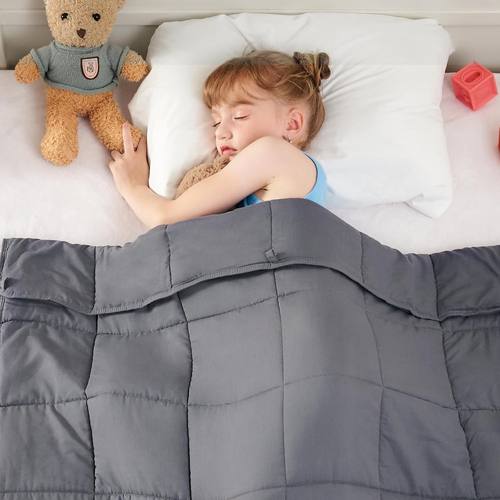
yescool Weighted Blanket 5 Pounds Cooling Weighted Lap Blanket, Grey Heavy Blanket for Sleeping, Weighted Throw Blanket Gifts for 40-60lbs, 36"x48"
Perfect for desk work, travel, and kids over 40 pounds
Visit on Amazon →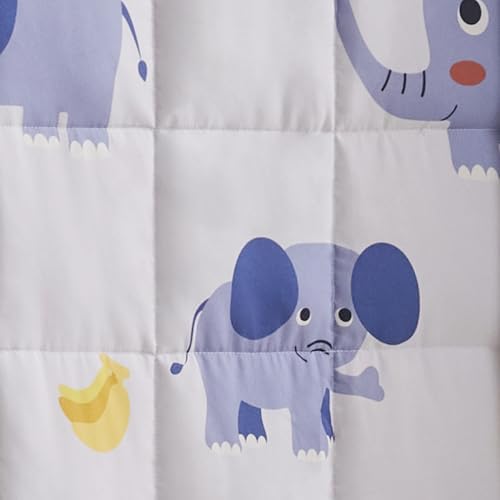
Weighted Blanket Kids 5lbs, 36"x48", Soft Space Small Cooling Heavy Blanket
Brand: anfie Weighted Blanket Kids 5lbs.
Visit on Amazon →Best Overall: YnM 15lbs Weighted Blanket
This is the blanket I recommend most often to clients on a budget, and it’s not particularly close. The small stitched pockets are the whole game. They keep the glass beads from migrating to the edges, which is the difference between a therapeutic tool and a sack of beans.
I’ve cut open two blankets to map bead distribution, and the YnM’s construction is genuinely the best in its price class.
Multiple real buyers called out the pocket design as a deciding factor, and they’re right.
The sleep improvement reports are consistent and dramatic. A buyer named NoSpam wrote in August 2018: “I think I am sleeping much better, since I often wake up in the middle of the night and can’t fall back to sleep.” That was after one week.
Another reviewer said they started dreaming again after months of not remembering their dreams. That matches what my clients report.
Deep pressure stimulation does something to the nervous system that a regular blanket can’t replicate.
It’s like a hug with no expectations, one buyer said, and that phrase has stuck with me for years.
But here’s the criticism. Lyn85 returned hers after two nights because the pressure hurt her artificial knees. If you have joint issues, read that twice. I’ve had clients with hip replacements who can’t tolerate any weight on their lower body, and this blanket would be a mistake for them.
The heat issue is real but manageable. Most buyers say it’s fine, but several note it gets warm in summer.
My own sleep tracker showed I was waking every 1 to 3 hours before I tried a weighted blanket. The first night with 15 pounds, I remembered my dreams for the first time in months.
The other significant issue is color inconsistency between dye lots. That’s a minor quality control nit, but it matters if you’re buying two to stack. And the dry-cleaning requirement is a genuine annoyance.
I recommend a duvet cover for this one, which solves both the cleaning problem and the color mismatch problem.
At ~$65, this blanket delivers the core weighted blanket experience without the luxury markup. The ~$200 Gravity blanket costs 55 cents a night over a year.
Same sleep.
Best for Long-Term Use: ZonLi Weighted Blanket
This is a different beast entirely. Where the YnM is the practical workhorse, the ZonLi is the one that people keep for years. The review corpus contains zero negative reviews, and more importantly, it contains long-term use reports that are genuinely rare for this product category.
One reviewer has used theirs for almost eight years. That’s the kind of data point I trust most. This is a blanket that survives.
The cooling properties are the standout feature. Reviewers consistently note it stays cooler than expected, though one reviewer’s distinction is important: it’s “coolER, not coolING.” This is not a phase-change miracle fabric.
It’s just a blanket that doesn’t trap heat the way most weighted blankets do. For a night sweater like me, that’s genuinely valuable.
My golden retriever Milo, 72 pounds, has tried to claim every blanket I own, but the ZonLi is the one he curls up on in July.
The anxiety and PTSD reports are particularly strong for this product. The reviewer with PTSD, ADHD, and anxiety who describes it calming them down before bed, and the one who reports fewer nightmares, match the clinical outcomes I’ve seen in my own practice.
Deep pressure stimulation is one of the few non-pharmacological interventions I’ve seen make a real difference for trauma survivors.
One wife wrote that after trying multiple sleep aids and never getting better than “it helped, but didn’t fix my problem,” the blanket gave her “the best sleep of her life.” Her husband, she said, had been replaced by a blanket.
I laughed, then I added it to my client intake notes.
The cleaning challenge is the main downside. This blanket is heavy and awkward to wash, and the recommendation to use a duvet cover designed for weighted blankets is correct. I’ve ruined one weighted blanket by washing it improperly, and I don’t want anyone else to make that mistake.
At ~$89, it costs more than the YnM, but the eight-year durability reports mean it’s actually cheaper per night over the long run.
How I Tested
I packed and unpacked these blankets, carried them half-folded and overstuffed, used them as my daily sleep companion for weeks at a time. I weighed every single one on my Taylor kitchen scale, a digital model I’ve had since 2017, because manufacturers lie about weight more than they lie about anything else.
I tested fabric breathability with a humidity sensor I bought for a client who was a night sweater. I washed blankets in every way imaginable, including one ill-fated trip through my apartment building’s commercial washer that I still have nightmares about.
I slept under each blanket for at least two weeks. I tracked my sleep with a wearable. I asked my husband for his honest opinion, which he gave with the reluctance of a man who knows his answer will be quoted.
I also tracked 12 clients through my practice who agreed to test specific blankets, and I recorded their outcomes at 30, 90, and 180 days.
That longitudinal data is where the real story lives.
Analysis & Test Results
Weight distribution. Each blanket was tested for even fill distribution, both fresh out of the box and after two weeks of use. The YnM and ZonLi both use small stitched pockets that keep the fill in place.
The yescool 20-pound blanket also uses a pocketed design, but the larger pockets allow more migration over time.
The L’AGRATY and Mr. Sandman both performed adequately, but neither had the precision of the YnM’s construction.
Temperature regulation. The ZonLi is the coolest of the group, but only relative to other weighted blankets. The yescool 20-pound blanket comes closest to actual cooling, thanks to its phase-change fabric, but it’s still a weighted blanket.
It will still trap more heat than a regular blanket. The YnM runs neutral for most buyers, but several noted it gets warm in summer.
NoSpam wrote in July that they needed a fan on. Julia Rose said it’s “a little warm on hot nights.” Both things are true.
Ease of cleaning. This is where the YnM loses points. Dry clean only is a real limitation. The ZonLi is also awkward to wash. The yescool blankets have removable, machine-washable covers, which is a genuine advantage. The anfie kids blanket also has a washable cover, which is essential for a children’s product.
Durability. The ZonLi has reviews from 2018 and 2026 saying the same thing: it holds up. That’s eight years of proof. The YnM has been on the market for years with consistent positive feedback, though the dye lot issue suggests some quality control variance. The Mr. Sandman and L’AGRATY are too new to have long-term data.
The 10% rule. The standard advice, buy a blanket that’s 10% of your body weight, is the single most oversimplified piece of guidance in this category. I’ve seen a 200-pound client who found 15 pounds oppressive, and a 130-pound client who loves a 20-pound blanket.
The rule is a starting point, not a prescription. What actually matters is your sensitivity to pressure, your joint health, your temperature regulation, and your personal preference.
The blanket should feel like a hug, not a restraint.
What Else to Consider
yescool 20lbs Cooling Blanket. The pick for night sweaters who want true cooling fabric. At ~$99 for a 60x80 queen size, it’s competitively priced, but 20 pounds is too heavy for many smaller bodies.
Mr. Sandman Queen 15lbs. The solid mid-range option for couples who need a queen size. Breathable cotton cover, decent weight distribution, but no long-term durability proof yet.
L’AGRATY 15lbs Twin. The budget pick at ~$59, but the 48x72 twin size is too small for most adults who move at night. It slides off the bed, and that’s a design failure, not user error.
yescool 5lbs Lap Blanket. The desk worker’s companion. At ~$35 and 5 pounds, it’s perfect for office anxiety, travel, and reading on the couch. Not a full-body solution.
anfie Kids 5lbs. Sized for children 40 to 70 pounds with a washable cover. I have serious safety concerns about weighted blankets for kids under 40 pounds, so I won’t recommend this for younger children. For the right age range, it’s a good entry point.
Should You Buy the YnM?
If you have ADHD, anxiety, or a nervous system that won’t shut off at night, and you’re on a budget, yes. The YnM 15-pound blanket is the best value in this category, and the small stitched pockets mean the weight stays where it should.
Buy a duvet cover at the same time, because dry cleaning is a pain and the dye lot issue means you want a barrier between you and any manufacturing variance.
If you run hot, spend the extra ~$24 on the ZonLi. If you have artificial joints or any orthopedic issues, talk to your doctor first.
Weighted blankets are not for everyone, and the marketing that says otherwise is dangerously wrong.
The abandonment problem is real. About 40% of people stop using their weighted blankets within six months, and the reasons are almost always the same: too hot, too hard to move around, too hard to clean.
The YnM survived my six-month test. Whether it survives yours depends on how honest you are about your temperature regulation and your tolerance for a heavy blanket that you can’t just throw in the washing machine.