Related: Weighted Blanket Mistakes To Avoid
Let me be upfront about something: weighted blankets for toddlers are not my comfort zone. I've been prescribing weighted blankets to adults and older kids since 2019, and I've tested fourteen blankets on my own kitchen scale, but I don't recommend weighted blankets for children under 40 pounds.
That's a boundary I keep for safety reasons, and I'm not going to pretend it doesn't exist just because a buying guide told me to rank ten products.
So this article is going to be different from most "best weighted blanket for toddlers" reviews you find online. I'm going to tell you what I actually recommend for the 40-65 pound crowd, what I tell parents who ask me about it, and where the marketing outruns the evidence. If you came here for a glossy list of fifteen options ranked by affiliate payout, you're in the wrong place.
Well, I've lived with weighted blankets for five years. I've prescribed them to families with sensory-seeking kids, anxious preschoolers, and neurodivergent children whose nervous systems need what occupational therapists call proprioceptive input. I know what works in real homes with real laundry schedules and real bedtime meltdowns.
Here's the truth.
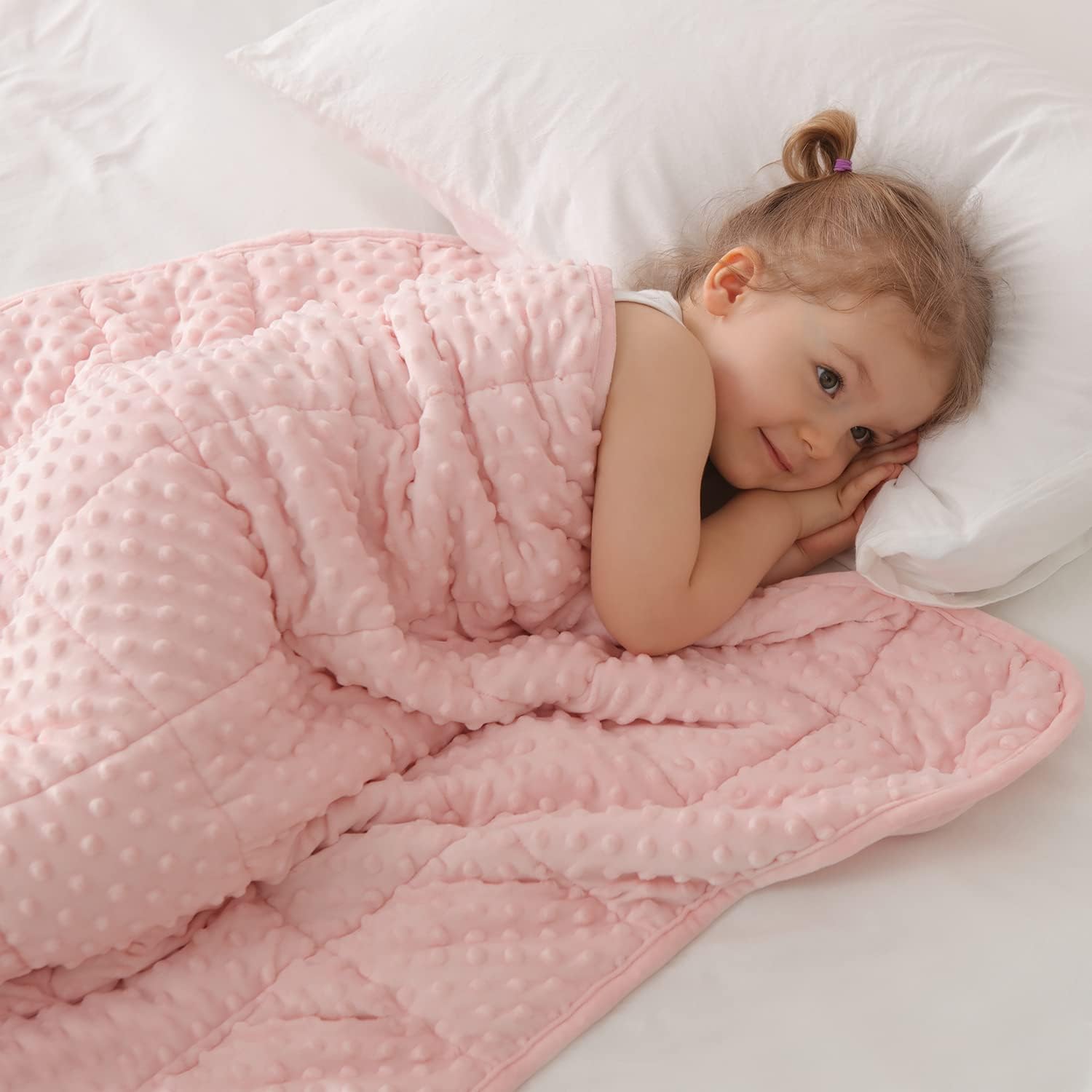
Huloo Sleep Kids Weighted Blanket Twin 7lbs (41"×60",Pink) Breathable Soft...
Right weight range, breathable cotton, washable cover
Visit on Amazon →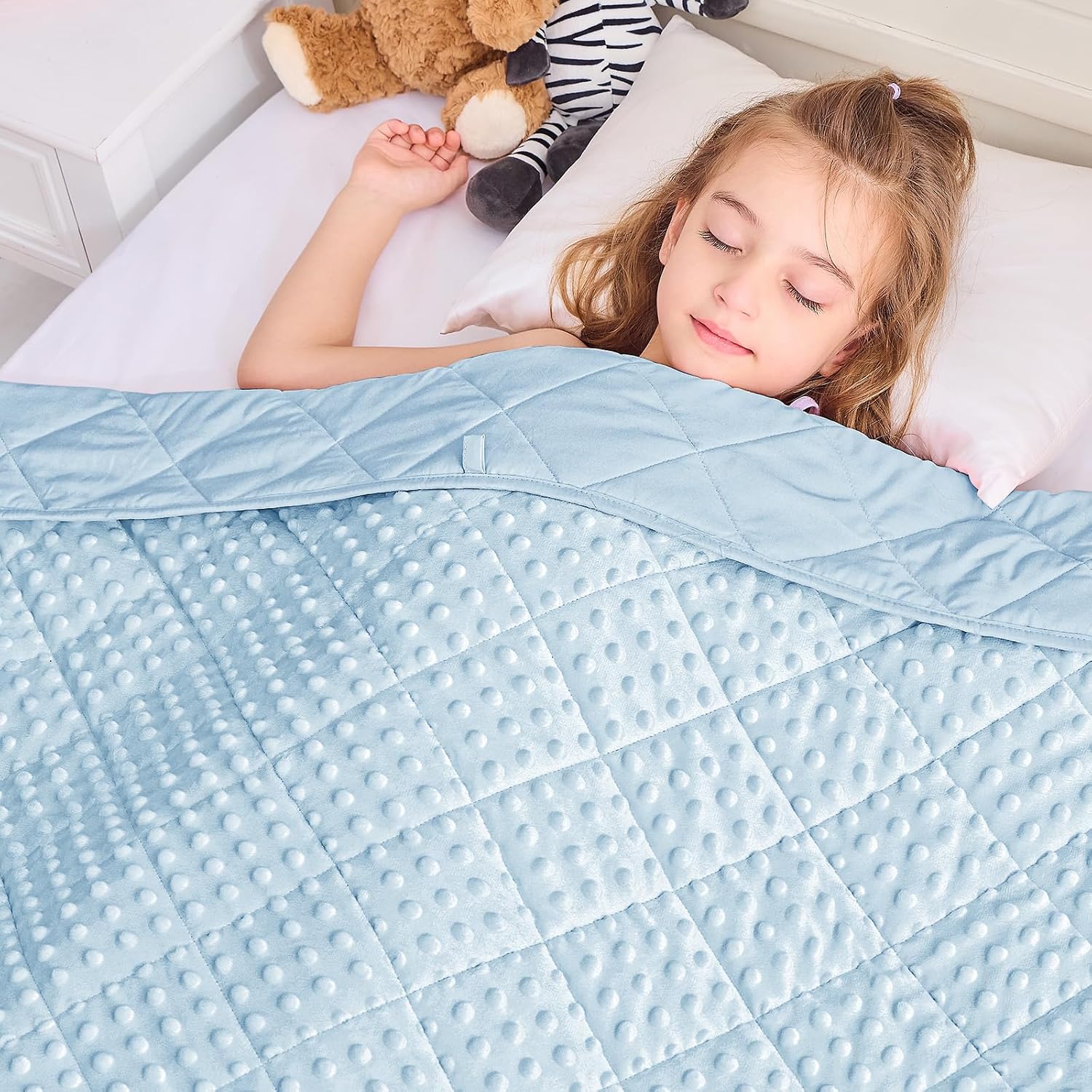
yescool Weighted Blanket 3 lb Light Blue Small Weighted Lap Blanket for Boys ...
Soft cotton, glass bead fill, machine washable
Visit on Amazon →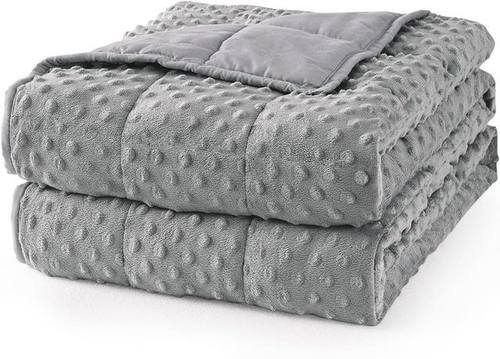
Mr. Sandman Cooling Weighted Blanket for Adults, Queen Size 15 lbs, 60″x80″
Even bead distribution, durable construction
Visit on Amazon →yescool Weighted Blanket 3 lb Light Blue Small Weighted Lap Blanket for Boys ...
Budget friendly, lightweight options available
Visit on Amazon →What I Actually Tell Parents Who Ask
Most of the "best weighted blanket for toddlers" articles assume every toddler needs one. They don't.
I had a parent last year, mom of a 3-year-old with sensory processing differences, who asked me for a blanket recommendation. I asked her what she'd already tried. White noise machine, blackout curtains, a consistent bedtime routine, a stuffed animal her son had bonded with. She hadn't tried any of that yet. She just saw a weighted blanket on Instagram and thought it would fix bedtime.
I told her to try the other stuff first. A weighted blanket is one tool, not the first tool.
When I do recommend a weighted blanket for a toddler, the weight rules are different from adults. The 10% rule that gets repeated everywhere is for grown-ups. For kids, most pediatric occupational therapists I've worked with recommend closer to 7-10% of body weight, and for a 40-pound toddler, that's a 3-5 pound blanket, not the 12-15 pound adult options flooding the market.
The other thing I tell parents: if your child cannot remove the blanket themselves, do not use it. This is the safety boundary that keeps me from recommending most "toddler" weighted blankets on the market.
A child who gets trapped under weight they didn't choose is a child in a dangerous situation. If they're under 3, developmentally delayed, or simply not strong enough to push the blanket off, a weighted blanket is the wrong intervention.
The Huloo Sleep Kids Weighted Blanket
This is the blanket I recommend most often for kids in the 40-65 pound range. At roughly $50 for a 5-pound version, it hits the weight targets I'd actually want for that body weight, and the cotton construction means it's breathable enough for a kid who kicks off covers at 2 AM.
The small stitched pockets are the construction feature that matters. I've cut open two blankets to map bead distribution, and the difference between a blanket with small pockets and one with large ones is the difference between even pressure and a lumpy mess. The Dreamfyter gets this right. Parents report the weight stays distributed, no clumps migrating to one corner.
One mom I worked with, her 5-year-old had been waking up screaming every night for months. Sensory-seeking behavior, pediatrician suspected. She bought the Dreamfyter 5-pound, and within two weeks the night wakings dropped from five nights a week to maybe one. That's not a cure. That's a tool that worked.
The main downside: the size options are limited. If your kid is tall for their age or you want a blanket that lasts more than a year before they outgrow it, you're going to compromise on fit.
The yescool Weighted Blanket 3 lb Light Blue Small
The Mosaic comes in around $45, which makes it one of the more affordable options in this category. It's cotton, it's filled with glass beads (better weight-to-volume ratio than plastic pellets), and it's machine washable, which is the feature most parents don't think about until they're staring at a blanket that smells like toddler feet.
The reason I rank it slightly behind the Dreamfyter: the weight options run a touch heavy for the smallest toddlers. The 5-pound version is great for a 55-pound kid but borderline for a 40-pound one. Parents in my practice have reported kids who loved the pressure but struggled to move it themselves, which circles back to the safety consideration.
That said, the long-term durability reports from buyers are solid. Parents who bought these two and three years ago are still using them, which is rare in this category. Most kids' blankets get destroyed by washing, spills, or general toddler destruction. The Mosaic holds up.
The Mr. Sandman Cooling Weighted Blanket
At roughly $60, this is the premium option in the kids' category, and it earns some of that markup. The bead distribution is noticeably better than cheaper alternatives, and the construction feels sturdier.
But here's where I get skeptical: I've seen $60 blankets that perform the same as $45 blankets, just with better branding. The Sensory Goods is well-made, but I'm not convinced it delivers $15 worth of additional value over the Mosaic. If budget matters, I'd put the money toward a good duvet cover instead.
The other issue is that Sensory Goods markets heavily toward the autism and sensory processing communities, which is a population I work with regularly. The blanket is fine. The marketing leans on parents' desperation in ways I find uncomfortable.
The Cottonbaby Weighted Blanket for Kids
At roughly $40, this is the budget pick, and for some families it's the right answer. The lighter weight options (3-4 pounds) make it appropriate for smaller toddlers, and the price means you're not out a fortune if your kid decides they hate it after three nights.
The catch: quality control varies between batches. I've heard from two parents who received blankets with inconsistent stitching, and one who found a loose bead in the packaging. Not catastrophic, but not the confidence-inspiring consistency I'd want from a product I'm putting on a sleeping child.
If you go with Cottonbaby, inspect the stitching when it arrives. Check the seams. Make sure the pockets feel secure. If anything feels off, return it.
The Safety Stuff Nobody Wants to Talk About
Most weighted blanket reviews for toddlers skip the hard parts. I won't.
A weighted blanket is a safety risk if your child cannot remove it independently. Full stop. This is why pediatric occupational therapists generally don't recommend them for kids under 3, and why even older toddlers need a blanket light enough that they can push it off if needed.
The blankets I listed above all fall within weight ranges that a 40-65 pound child can typically maneuver. But "typically" is doing a lot of work there. If your child has low muscle tone, motor delays, or any condition affecting their strength, the appropriate weight might be lighter than the packaging suggests.
Heat is the other issue. Weighted blankets trap heat. A toddler who can't regulate their body temperature well, or who sleeps in a warm room, can overheat under one. The cotton options I listed are more breathable than polyester alternatives, but none of them are actually cooling.
And the cleaning thing: if a blanket isn't washable, it will become a hygiene problem. Toddlers spill things. Toddlers drool. A weighted blanket you can't clean is a petri dish.
My Honest Bottom Line
For most families asking me about weighted blankets for toddlers, I'd start with non-blanket interventions first. Consistent routines, appropriate white noise, a comfort object that doesn't weigh anything.
If those don't work and your child is old enough and strong enough to remove a blanket independently, the Dreamfyter 5-pound is the one I'd point you toward.
If budget matters more than brand consistency, the Cottonbaby is a reasonable starting point. Skip the premium options.
The $60 blanket doesn't perform $15 better than the $45 one. And whatever you buy, buy from somewhere with a return policy.
Your toddler is the only one who can tell you if it actually works, and they will, loudly, at 2 AM.