I bought my first weighted blanket in 2019, in the middle of an insomnia stretch that had me averaging four hours a night and hating everyone. I am an occupational therapist in Chicago, so I spend my workdays thinking about proprioceptive input and my evenings thinking about whether a blanket is going to make me wake up in a puddle. Cooling weighted blankets for hot sleepers are the hardest category to get right, because the thing that makes a blanket calming and the thing that makes it breathable often pull in opposite directions.
Six years and fourteen blankets later, I have a clear picture of what survives and what ends up shoved on the top shelf of a closet. The pattern has almost nothing to do with weight. It has everything to do with shell fabric, bead distribution, and whether the blanket can survive a washing machine without a duvet cover.
The short answer: the YnM Cooling Weighted Blanket in the 60x80 queen size is the safest starting point for most hot sleepers, the 48x72 YnM twin is the better call if you sleep alone on a smaller bed, the budget 15-pound twin is the value pick, and the 7-pound throw is a lap blanket that people keep buying as a bed blanket by mistake. Here is the reasoning.
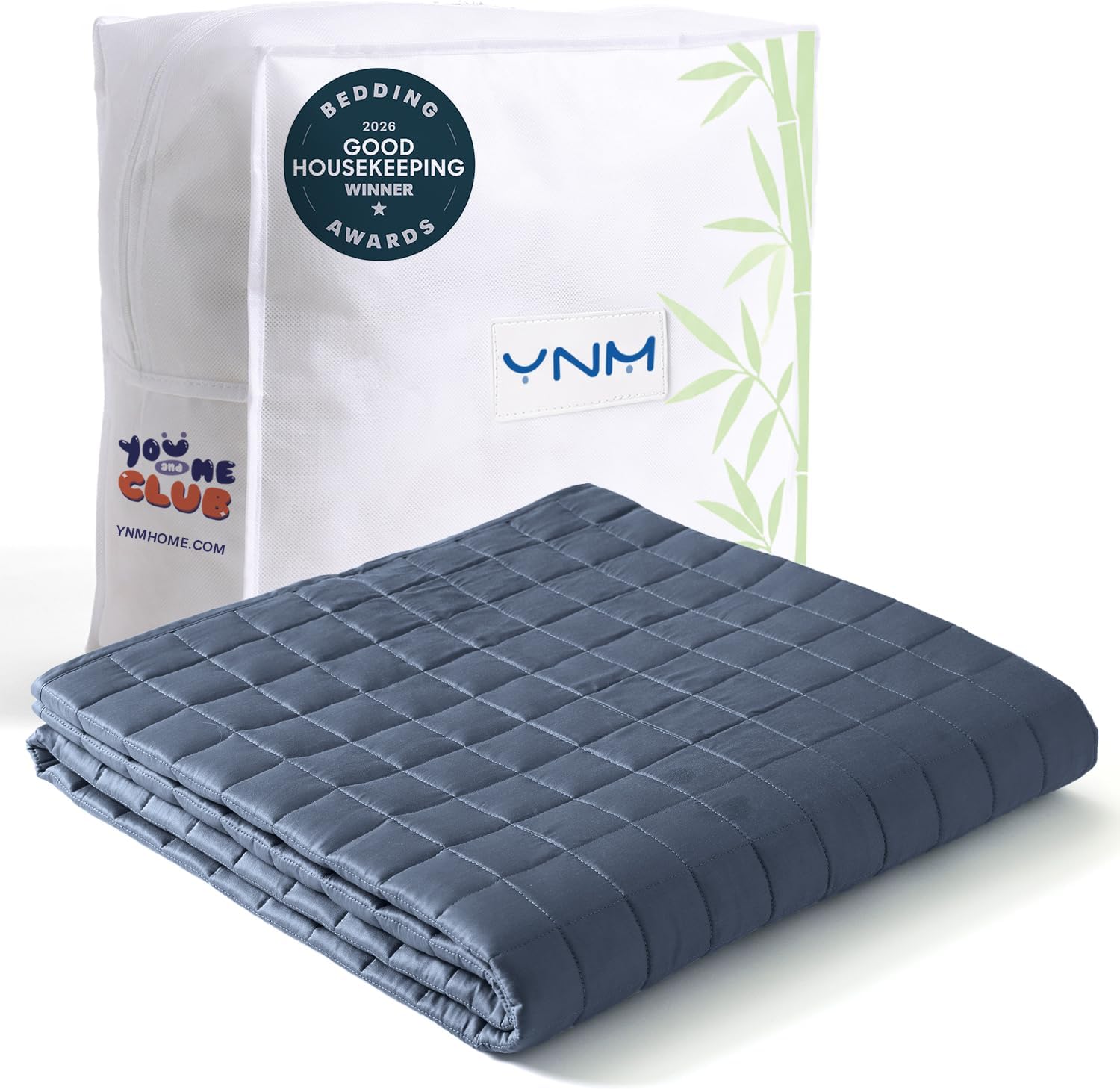
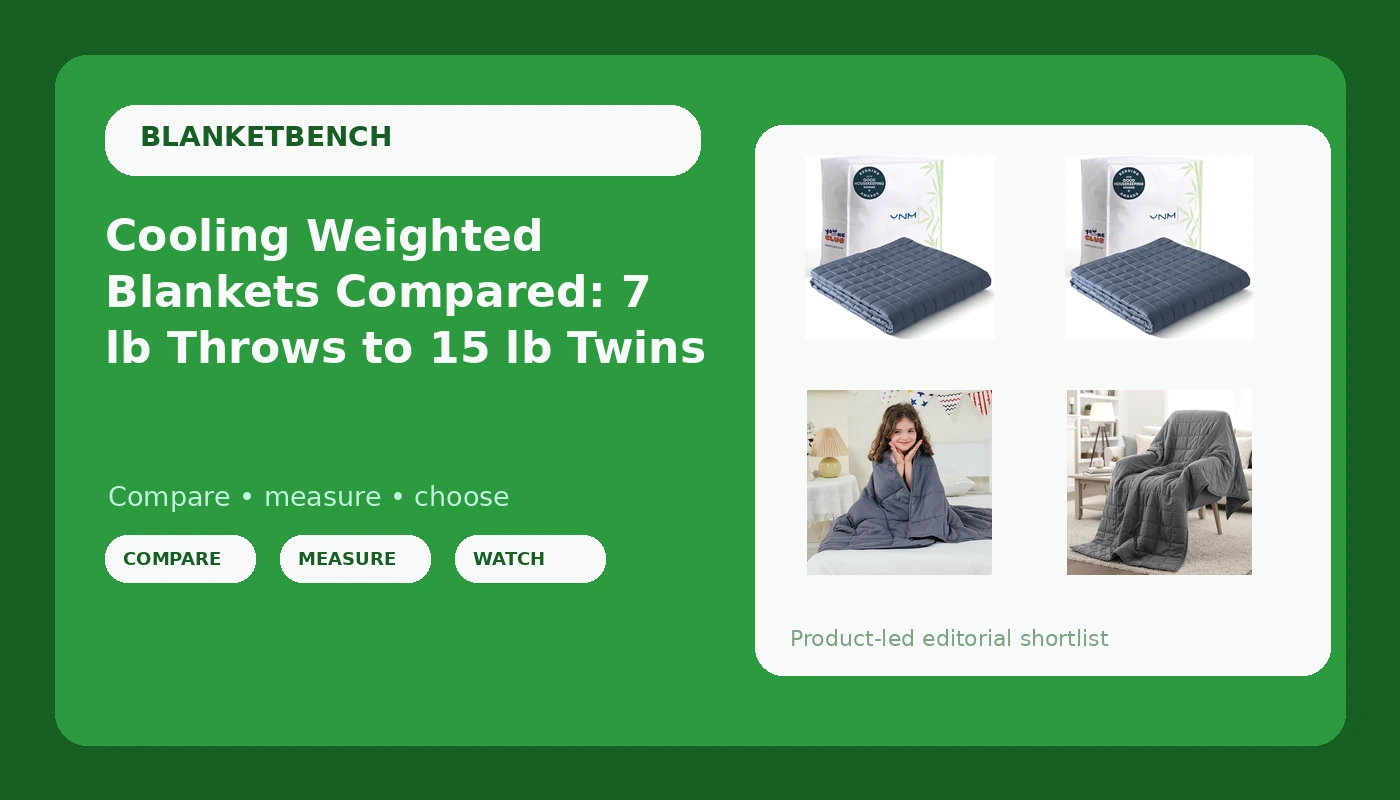
YnM Cooling Weighted Blanket for Adults, 15 lbs, 60x80 Queen
Cooling rayon shell with glass beads, sized for a real adult bed, and the surface area spreads 15 pounds out enough to feel calm instead of crushing
Queen footprint is more blanket than a twin bed needs, and the price sits at the top of this group
YnM Exclusive Cooling Weighted Blanket, 48x72 Inches, 15 Pounds
Same 15 pounds and the same cooling approach in a twin/full size, which concentrates the weight where a solo sleeper actually wants it
If you share a bed, 48x72 leaves your partner out in the cold, literally
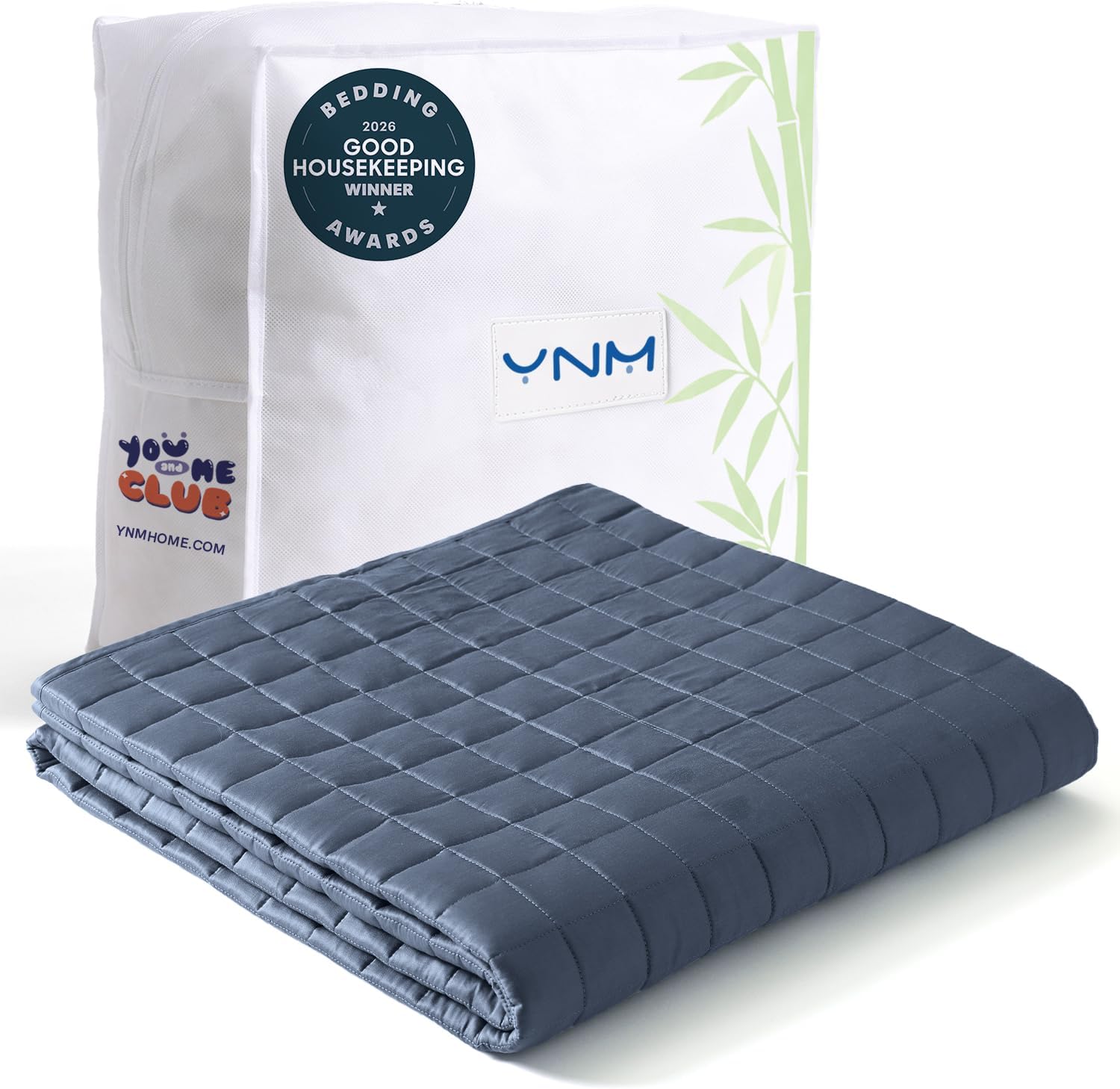
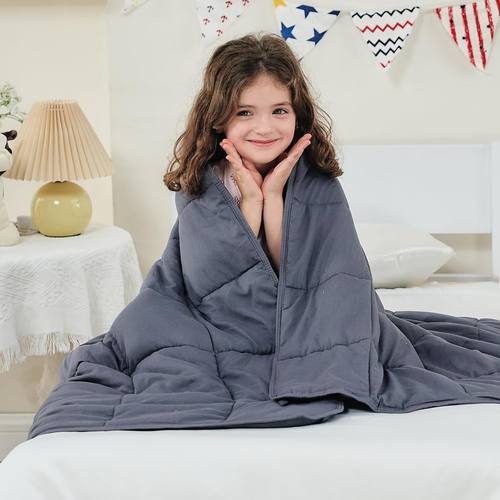
Weighted Blanket 15 lb, 48" x 72" Twin Size Cooling Cotton
Cotton shell and a machine washable build, which is the combination that keeps a blanket in rotation instead of in a closet
No brand pedigree and no queen option, so it is a one-sleeper, one-bed-size solution
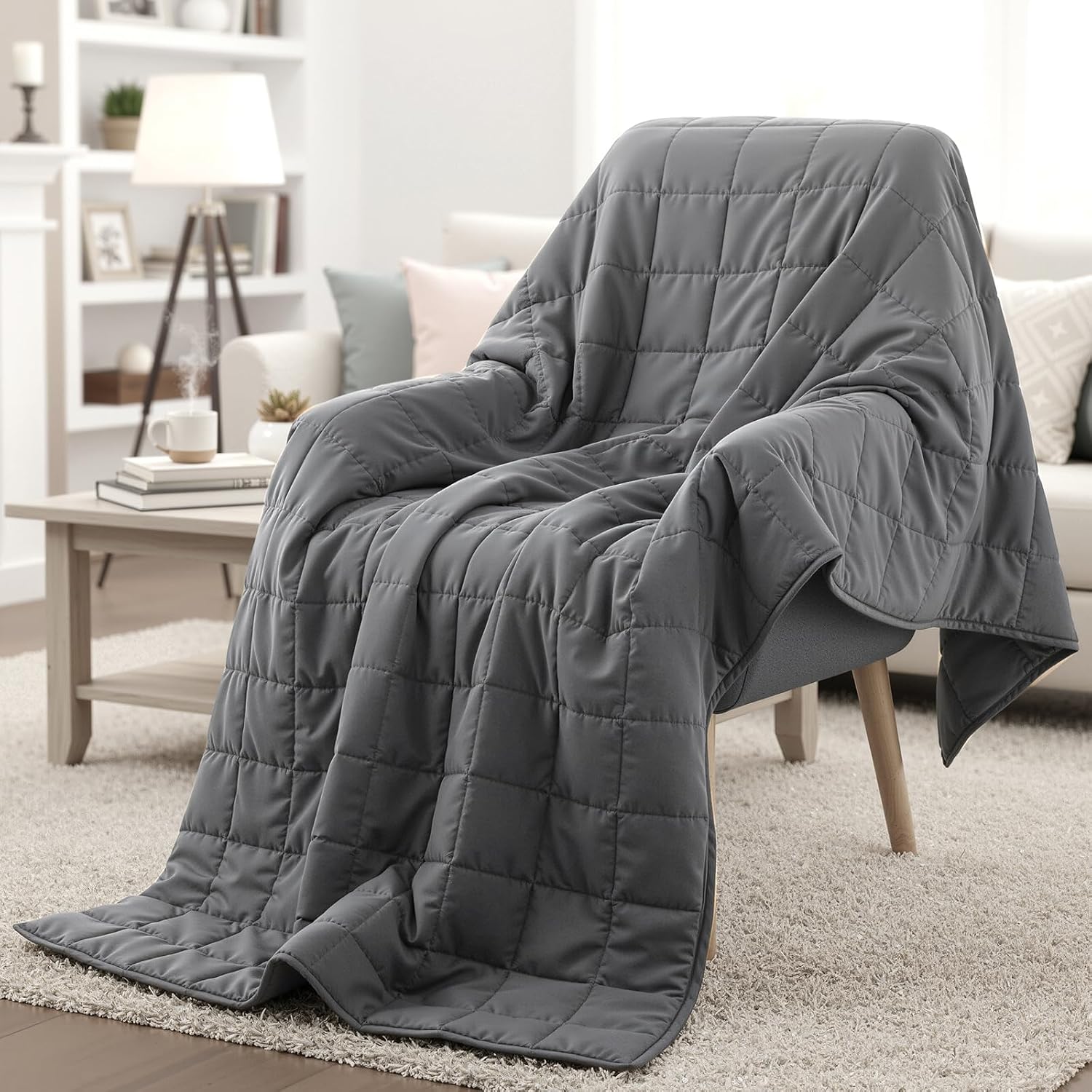
yescool Weighted Throw Blanket 7lbs, 41" x 60", Grey
The easiest entry point if you have never used a weighted blanket and want to know whether you like the sensation before committing to 15 pounds
41x60 is a lap blanket, not a bed blanket, and 7 pounds will not feel like much on a full mattress
Prices and availability were captured from Amazon Creators API and may change.
What I look at before anything else
Every blanket that comes into my apartment goes on a kitchen scale first, because claimed weight and actual weight are two different numbers. Then I check bead distribution by working my hands from corner to corner and listening for the shift. A blanket that pools its weight in the middle is a sack of potatoes on your chest, and no cooling fabric fixes that. I test breathability with a humidity sensor under the shell, which is a rough proxy but consistent enough to compare one blanket against another.
The last check is stitch density. If the quilting channels are wide, the beads have room to migrate. If the channels are narrow and the stitching is tight, the blanket holds its shape through a season of use. This is the part nobody photographs for a product listing, and it is the part that decides whether the blanket is still on your bed in March.
None of that tells you whether a blanket will work for you. Proprioceptive input is real, and the published evidence on weighted blankets is mixed. Honest people say so. What my testing tells me is whether you will still own the blanket in six months, because abandonment is the cost that actually matters.
The two YnM blankets: same weight, different jobs
These two are the closest thing to a controlled experiment in this group. Both are 15 pounds, both come in the same blue grey, both use a cooling rayon shell with glass beads. The difference is footprint, and footprint changes everything about how 15 pounds feels.
The YnM Cooling Weighted Blanket for Adults in the 60x80 queen size is the one I would hand a hot-sleeping adult first. Spread 15 pounds across 60 by 80 inches and the pressure per square inch drops, which is simple arithmetic, not a marketing claim. You get the even, settled feeling without the sensation of being pinned. It is also the only blanket here that covers a queen bed properly, which matters if you move around at night and want the blanket to still be on you at 3 a.m.
The YnM Exclusive Cooling Weighted Blanket in 48x72 is the same weight in a smaller area, so the pressure is more concentrated. For a solo sleeper on a twin or full bed, that concentration is usually a feature. My clients who describe the ideal as "someone holding me still" tend to prefer this size. My clients who describe the ideal as "a heavy sweater" prefer the queen.
The trade-off is obvious once you say it out loud. A 48x72 blanket on a queen bed with two people means one person is warm and one person is under a throw pillow. If you share a bed, buy the queen size or plan to buy two blankets.
The 7-pound throw: a lap blanket, and that is fine
The yescool Weighted Throw Blanket, 7 pounds, 41 by 60 inches in grey is the product I recommend most often to people who are not sure they want a weighted blanket at all. Seven pounds over 41 by 60 inches is a light, gentle weight. It is a couch blanket, a desk blanket, a reading chair blanket, and a travel blanket.
What it is not is a bed blanket for an adult. The most common mistake I see is someone buying a 7-pound throw, sleeping under it, feeling nothing, and concluding that weighted blankets do not work. The weight was never the problem. The size was. A throw cannot drape over your shoulders and your feet at the same time on a full mattress, so the pressure is patchy, and patchy pressure is the opposite of what makes these blankets calming.
It is also, for what it is worth, the right pick for a smaller frame or a teenager, provided the person can move it off without help. That last part is non-negotiable for me.
The budget 15-pound twin
The Weighted Blanket 15 lb, 48 by 72 inch Twin Size is the plainest product in this comparison and, for some buyers, the smartest. It is a 15-pound twin with a cooling cotton shell, and it is described as machine washable. Cotton is the shell material I trust most in a Chicago summer, because it breathes and it does not have the slick, warm hand-feel that polyester shells develop after a few washes.
There is no brand story here and no queen size, so it is a one-sleeper, one-bed-size solution. If that is your situation, you are paying for materials rather than marketing, which is exactly the trade I like. If you need a blanket that covers a queen bed or that you can hand down to a guest room, this is not it.
The other thing to know about a lower-priced 15-pound blanket: stitch density is where corners get cut. Check the quilting channels in the listing photos before you buy, and check them again the day the box arrives. If the channels are wide and the beads already sit low in the blanket, send it back inside the return window. This is true at every price, and it is the single best predictor of whether you will still be using the blanket next winter.
Fabric is the product
I have said this to clients so many times that it has become a bit of a speech. The weight is the easy part. Any factory can sew glass beads into a rectangle. The fabric decides whether you actually sleep under the thing.
Polyester shells trap heat. In July, a polyester weighted blanket is a sauna with stitching. That is why every blanket in this comparison leans on a cooling shell: the two YnM blankets use a cooling rayon weave with glass beads, the budget twin uses cooling cotton, and the yescool throw is a lightweight grey knit meant for lounging rather than full-night sleeping.
Rayon has a cool, almost slick hand-feel that hot sleepers tend to like, and it drapes well, which helps the beads stay put. Cotton is more breathable and more forgiving if you run warm and also sweat, but it holds wrinkles and it feels heavier against the skin. Neither is objectively better. If you sleep hot and dry, rayon is comfortable. If you sleep hot and clammy, cotton is the safer bet.
Washability decides the outcome
Here is the part I wish more buying guides would lead with: a weighted blanket you cannot wash is a weighted blanket you will stop using. I have had clients tell me they love their blanket and then admit, in the same sentence, that it has been sitting in a closet since February because it needs a duvet cover to survive a wash cycle.
A duvet cover is a workaround, not a solution. It adds heat, it shifts around at night, and it turns a two-minute laundry task into a twenty-minute wrestling match. If a blanket's own shell cannot go in a machine, that is a design failure in my book. The budget twin here is the one that states machine washability most plainly, and cotton handles a gentle cycle and a low tumble better than rayon does. Rayon should be washed cold and air dried or dried on the lowest setting, which is a small extra step that is worth taking.
The 10% guideline is a starting point, not a rule
The internet will tell you to buy 10 percent of your body weight. That number is a reasonable place to begin and a terrible place to stop. I have seen a 200-pound man sleep beautifully under 12 pounds and a 130-pound client who could not get comfortable under 15.
Weight is a range. If you are choosing between the 7-pound throw and a 15-pound blanket, the throw is for laps and couches and testing the waters. The 15-pound blankets here are aimed at an adult sleeper around 140 pounds, which is the sizing note the YnM listings give directly. If you are much lighter, a 15-pound blanket may feel like too much. If you are much heavier, it may feel like a sheet.
Buy from a seller with a return policy, sleep under it for a week, and let your own body answer the question. That week is worth more than any percentage.
Who should buy which
- Hot sleeper, queen bed, sleeps with a partner: the YnM queen, 60x80, 15 pounds. It is the only blanket here that covers the bed and the only one that spreads its weight enough to feel calm rather than confining.
- Hot sleeper, twin or full bed, sleeps alone: the YnM Exclusive 48x72. Same cooling build, more concentrated weight, less blanket to manage.
- Budget-minded, cotton over rayon, sleeps alone: the 15-pound cooling cotton twin. Plain, washable, and the materials are where the money went.
- Curious, anxious, or shopping for a couch or desk: the yescool 7-pound throw. It is the lowest-risk way to find out whether the sensation helps you, as long as you do not expect it to work as a bed blanket.
- Anyone buying for a child who cannot move the blanket alone: none of these. Safety first, and a blanket a child cannot push off is not a sleep aid.
What I am watching next
I think the market splits from here. One side goes medical-adjacent: certified, washable, boring fabrics, honest claims. The other goes lifestyle: fashion colors, premium shells, higher prices, and a lot of therapeutic language with nothing behind it. Phase-change cooling shells are the next premium tier, and I will be watching to see whether they actually measure cooler under a humidity sensor or just feel cooler for the first ten minutes.
The other thing I am watching is trial and rental programs. The abandonment problem is the real story in this category, and the first brand that solves it with a genuine thirty-night trial will take a lot of business from everyone else. I keep a dated list of these predictions and score it every January. Last year I was early on cooling shells and wrong about prices coming down. I will report back.
Until then: weigh your options by fabric and footprint first, weight second, and check the stitch density the day the box arrives.