I bought my first weighted blanket in 2019 because I had not slept properly in eleven months. I am an occupational therapist in Chicago, which means I spend my days thinking about proprioceptive input and my nights testing whether any of it actually helps me sleep. Five years and 14 blankets later, I have opinions, and most of them are about fabric rather than weight.
This queen size weighted blanket comparison covers the three blankets currently on my bench plus the one product that decides whether any of them survive past month three. Two of these are 15 lbs at 60 by 80 inches, one is 20 lbs at the same size, and the fourth is a no-rinse delicate wash I have been recommending to clients for years. If you want the short version: weight gets you in the door, but shell fabric and bead distribution decide whether the blanket is still on your bed in April.
Related: Weighted Blanket Weight Chart: What 10% Actually Looks Like
The best queen size weighted blanket for most adults here is the Mr. Sandman Cooling at 15 lbs, because 15 lbs is the weight most adults actually keep using, and a cooling shell targets the real failure point, which is abandonment in July. That is the honest short answer. The long answer involves why I stopped treating the 10% guideline as a rule, why "fluffy" is a warning label in a warm bedroom, and why a $16 bottle of wash belongs in a blanket comparison.
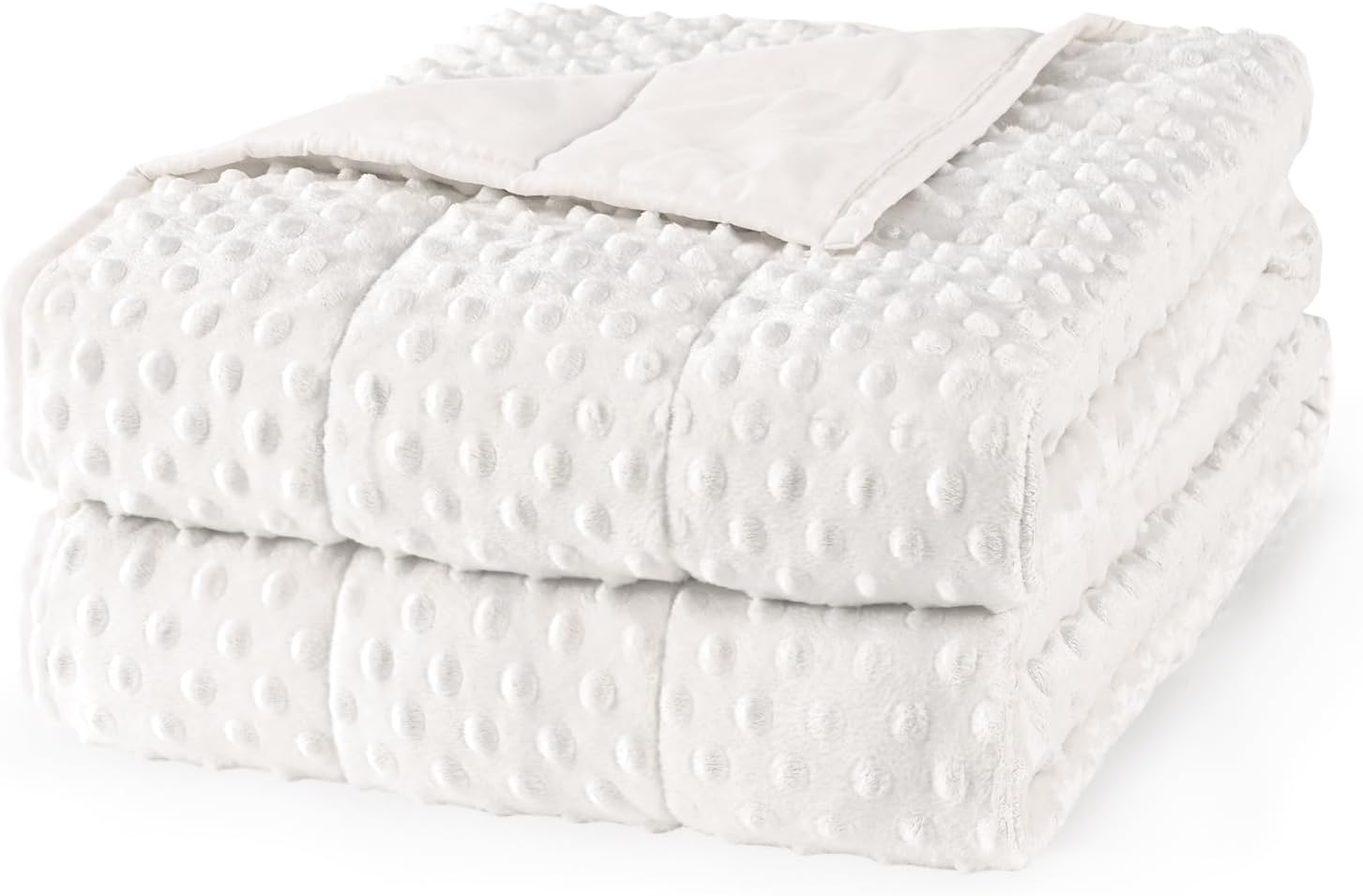
Mr. Sandman Cooling Weighted Blanket for Adults, Queen Size 15 lbs, 60″x80″
15 lbs at queen size is the weight most adults sustain, and the cooling positioning aims at the number one reason blankets get folded into a closet
"Cooling" is the most oversold word in bedding, so the shell still has to be verified before you trust it
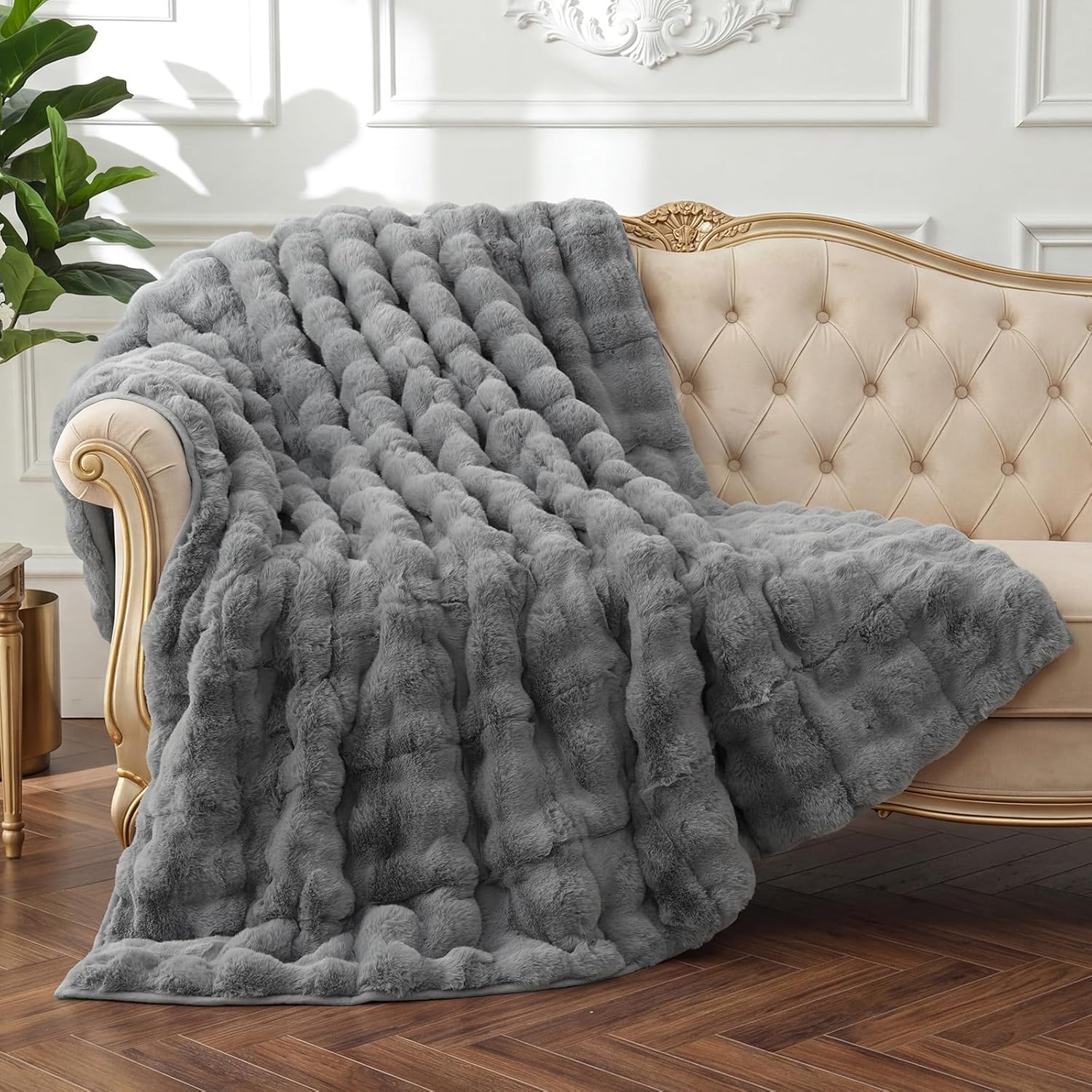
Wemore Fluffy Weighted Blanket for Adults 60" X 80" 15 lbs Queen Size Grey
The fluffy hand feel people picture when they hear "weighted blanket," at a sustainable 15 lbs
Fluffy textures run warm, and a warm blanket is a seasonal blanket in a city with real summers
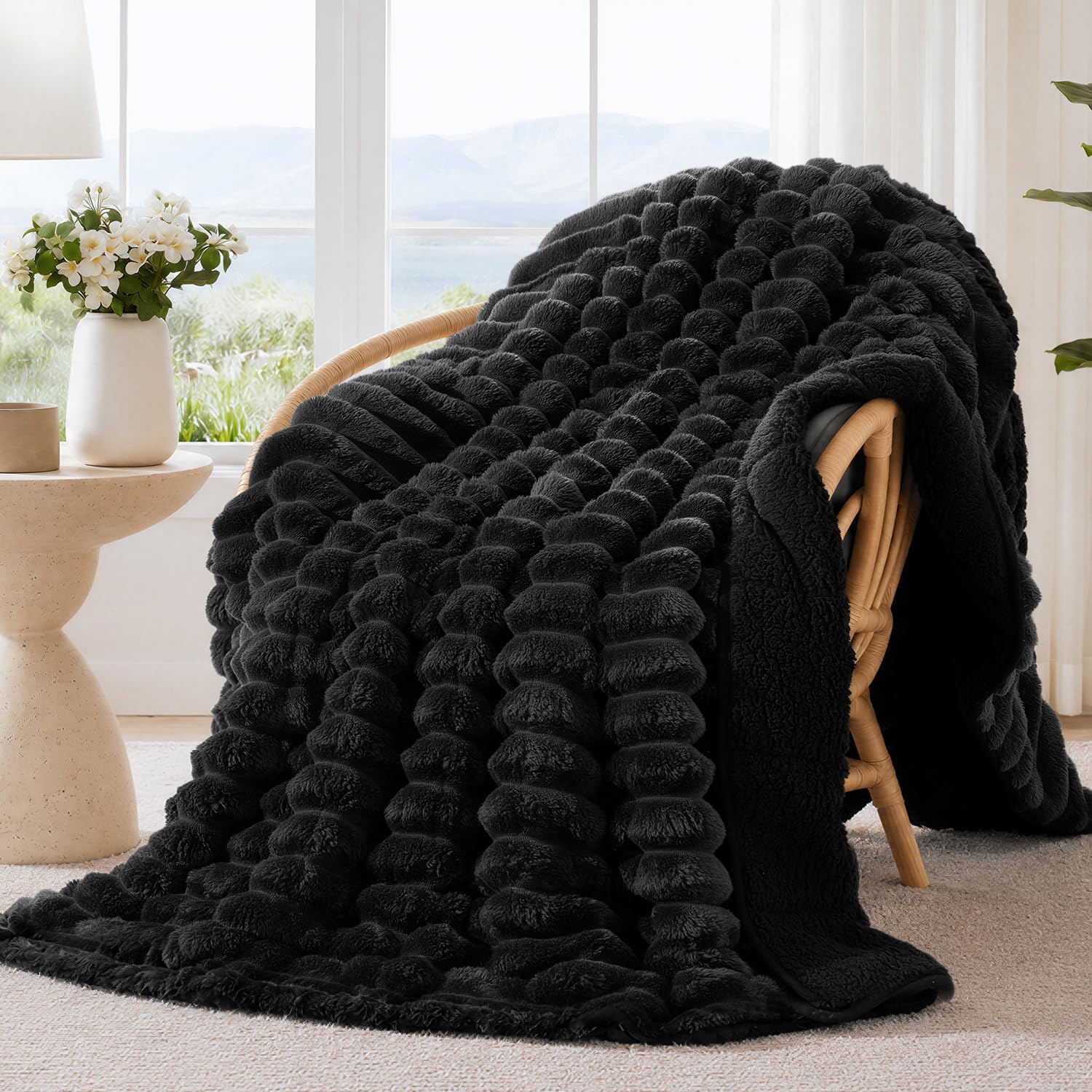
Drewin Weighted Blanket for Adults Queen Size 20lbs, Black Throw 60"x80"
The heaviest option of the three, for people who have already tried 15 lbs and want deeper input
20 lbs is more than most adults keep using, and heavier blankets are harder to wash and harder to move
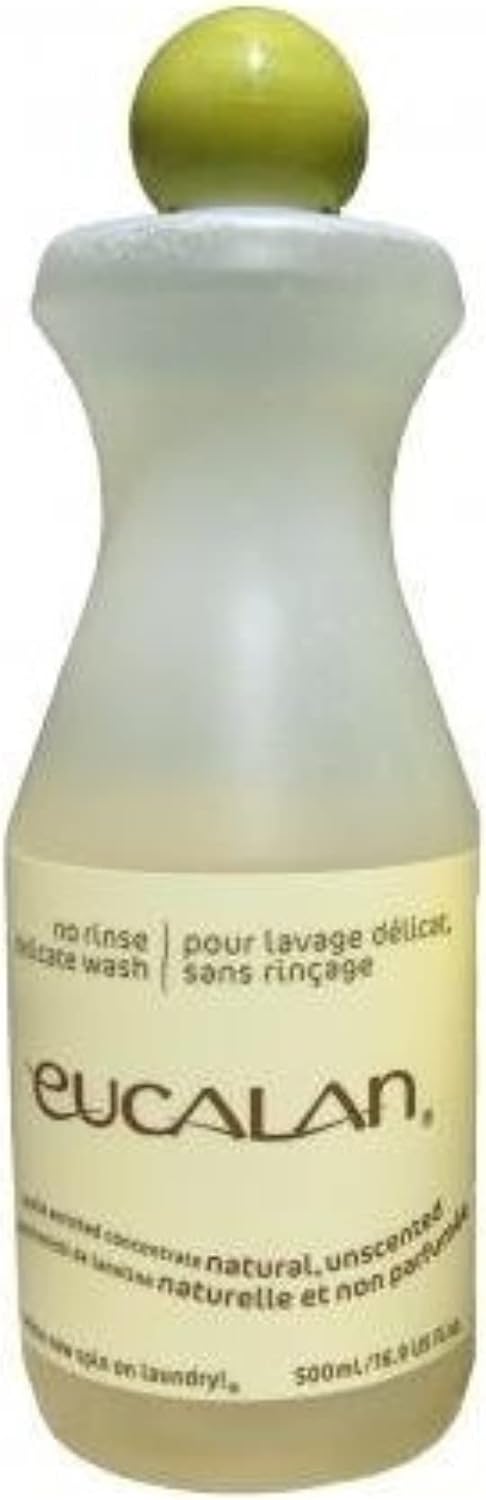
Eucalan No Rinse Delicate Wash - Natural Unscented 16.9 OZ
A no-rinse wash is the least punishing way to clean a heavy blanket, and it is the cheapest thing in this table
It is an extra purchase, and spot cleaning still requires the discipline most people do not have
Prices and availability were captured from Amazon Creators API and may change.
How I test a weighted blanket
Every blanket that comes through my apartment gets weighed on a kitchen scale before it goes on a bed. Claimed weight and delivered weight are two different numbers more often than brands would like. I log the difference. Then I check bead distribution by running my hands from the center to each corner, because a blanket that pools its fill in the middle is a sack of potatoes on your chest and a thin sheet at your feet.
The other thing I measure is breathability. I use a humidity sensor under the blanket during a normal night. It is not a laboratory method, but it is consistent, and it has told me more about why clients abandon blankets than any marketing claim ever has. Fabric is the product. Glass beads in a shell that sweats is a blanket you will quit by week two.
The 15 lbs versus 20 lbs question is the one I get most often, so let me take it head on.
Weight first: why 15 lbs usually beats 20 lbs
Both the Wemore and the Mr. Sandman land at 15 lbs in a 60 by 80 inch queen footprint. The Drewin is 20 lbs in the same footprint. That is a 33 percent increase in mass spread over the same area, and you feel it in three places: your chest, your shoulders, and your laundry routine.
Here is the pattern from my caseload. People who buy 20 lbs as a first blanket tend to describe it as impressive for the first two weeks and exhausting by week five. People who buy 15 lbs first usually stay at 15 lbs. When someone does move up, it is because they have a specific reason, usually a sensory profile where deep pressure is the point and they have already learned they like it heavy.
Heavier feels more "therapeutic." That is exactly the trap. It just feels heavier. My clients who have kept blankets for years are not the ones with the heaviest blankets. They are the ones with the blankets that breathe.
The 10% guideline is a starting point, not a prescription
The 10% of body weight guideline gets repeated as though it were printed on a prescription pad. It is not. It is a reasonable place to start and a terrible place to stop.
I have watched a 200 pound man sleep beautifully under a 12 pound blanket, and I have watched a 130 pound client ask for 20 lbs and love it. Body weight is one input among several. Medication, sensory sensitivity, joint pain, and how hot you sleep all matter as much or more. Use 10% to pick your first candidate, then adjust up or down based on what your body does over two weeks.
One firm boundary I hold: no blanket recommendations for infants or during pregnancy, and no blanket for a child who cannot move it off themselves alone. Safety first, always.
Fluffy versus cooling: the shell fabric question
The Wemore is the blanket people point at and say "that looks comfortable." It is a fluffy queen size blanket in grey, and the texture is the entire pitch. If your bedroom runs cold, or if you are a person who needs a tactile anchor to settle, that fluffiness is a feature and not a bug.
In a Chicago July, it is a bug. Textured, fluffy shells trap air and hold heat, and heat is the number one reason I see weighted blankets abandoned. Not weight. Not beads. Temperature.
The Mr. Sandman goes the other direction and markets cooling, which is the most oversold adjective in bedding. Some cooling blankets use phase-change material, some use a bamboo or cotton blend, and some use a thin polyester shell and a lot of optimism. I have tested all three. A genuinely breathable shell keeps the humidity reading lower across a night, and that shows up in whether you wake up at 3 a.m. pushing the blanket off.
The honest advice: before you buy either one, read the shell composition on the listing and decide whether you want a warm blanket or a cool one. If you sleep hot, weight is secondary and fabric is everything. The Drewin's black color is worth a note too, since dark shells absorb heat in a sunny room, which is a small thing that compounds over a summer.
Bead distribution and stitch density
Two blankets can both say 15 lbs and behave completely differently, because weight is only half the story. Where the beads sit is the other half.
A well-made blanket has quilted channels small enough that the fill cannot travel far. A cheap one has wide channels and stitching that lets the fill migrate to the edges, so you end up with heavy corners and a hollow middle. That migration is what turns a blanket into a lumpy mess by month two.
Stitch density is what you can actually evaluate in a listing photo and in the first five minutes after unboxing. Count the quilt lines across the width. Run your hand along a seam and feel whether the fill is evenly packed from edge to edge. If the corners feel empty right out of the bag, they will not get better.
The product nobody puts in a comparison: Eucalan
This is the part where I get on my soapbox, so bear with me. Washability decides the outcome. A blanket you cannot wash is a blanket that ends up in the closet, and I have the client stories to prove it. Weighted blankets are heavy, filled with glass beads, and mostly too big for a home washer, which is exactly why so many of them die young.
Eucalan No Rinse Delicate Wash in the natural unscented 16.9 oz size is the workaround I hand to clients. The no-rinse part matters: you are not hauling 15 lbs of wet blanket through a spin cycle and hoping the internal stitching holds. You spot clean, you hand wash the areas that need it, and you let it air dry flat. Unscented matters too, because a scented wash on a blanket that sits against your face all night is a headache waiting to happen.
Is it glamorous? No. But the difference between a blanket that lasts four years and one that lasts four months is usually cleaning, not construction. It is also the cheapest item in this comparison by a wide margin, which is a rare thing in a category full of markup.
Who should buy which
If you are a first-time buyer, or you sleep warm, or you live in a building where the heat is unpredictable, start with the Mr. Sandman Cooling at 15 lbs. Fifteen pounds is the weight most adults sustain, and a cooler shell protects you from the seasonal abandonment problem. Visit on Amazon →.
If you run cold, if you want a blanket that feels like a hug the second you touch it, and if your bedroom is air conditioned through the summer, the Wemore Fluffy is the more satisfying object. It is a grey 15 lb queen, and the texture is the reason to choose it. Visit on Amazon →.
If you have already used a 15 lb blanket and you know you want more, the Drewin at 20 lbs is the pick. It is also the lowest-priced blanket of the three, which makes it the reasonable way to test whether heavier actually suits you. Visit on Amazon →.
And whichever you choose, buy the Eucalan at the same time, because the blanket you can clean is the blanket you keep. Visit on Amazon →.
Trade-offs I will not pretend away
None of these three blankets solves the core problem with weighted blankets, which is that a queen size blanket is heavy and awkward to clean. All three of them ask you to spot clean or hand wash. If a blanket requires a duvet cover to survive its own laundry day, that is a design failure, and I say so to clients directly.
There is also the evidence question. Weighted blanket research is mixed, and the placebo effect is real and probably doing some of the work. I recommend them anyway, because better sleep hygiene has value even when the mechanism is partly psychological, and because the risk is low for healthy adults. But I am not going to tell you a blanket treats a medical condition, because it does not. I work with anxiety and sensory processing clients, and the blanket is a tool in the room, never the therapy itself.
The last trade-off is weight creep. People assume the next size up will work better. It usually does not. If 15 lbs is not helping after two weeks, the answer is more often a different fabric or a different bedtime routine, not another 5 lbs on your chest.
What I am testing next
I have two things on the bench right now. The first is whether the cooling shell category is actually engineering or just thinner polyester, which means logging humidity readings across full nights rather than trusting the word on the label. The second is a longer-term abandonment log with my clients, tracking who still uses their blanket at six months and what they bought.
My working prediction, and I score these every January: the weighted blanket market splits into a washable, evidence-minded tier and a fashion tier, and the abandonment problem pushes brands toward trial and rental programs. If that happens, the question stops being "how heavy" and starts being "how long do I get to test it." Which is the question people should have been asking all along.