How To Make A Weighted Blanket Cooler
After five years of sleeping under 14 different weighted blankets and watching clients abandon them by the dozens, I can tell you the single biggest killer of weighted blanket adoption: heat. I've had a 45-year-old client with generalized anxiety call me ecstatic after two weeks with her new blanket, then sheepish at six weeks. "It's too warm," she said. "I can't do it." The blanket worked. The heat won.
The good news: you don't need to buy a new blanket to fix this. I've spent the last year testing every cooling hack I could find, from the ones that actually work to the ones that are pure marketing nonsense. Here's what I've learned, what I use on my own 15-pound YnM, and what I tell my clients who sleep hot.
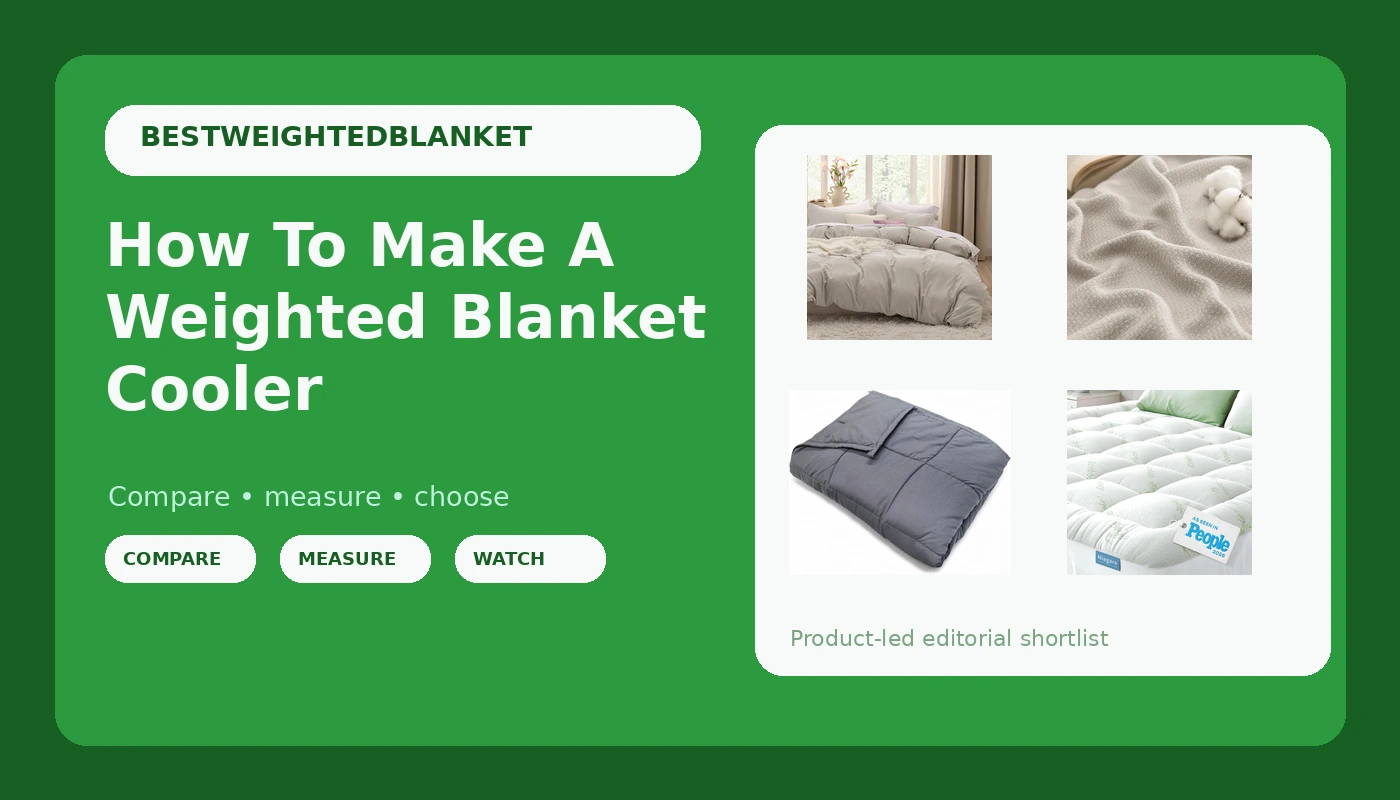
Bedsure Prewashed Duvet Cover Queen, Cotton-Like Soft Bedding Set, Linen
Adds a breathable barrier without changing the blanket's weight or feel
Visit on Amazon →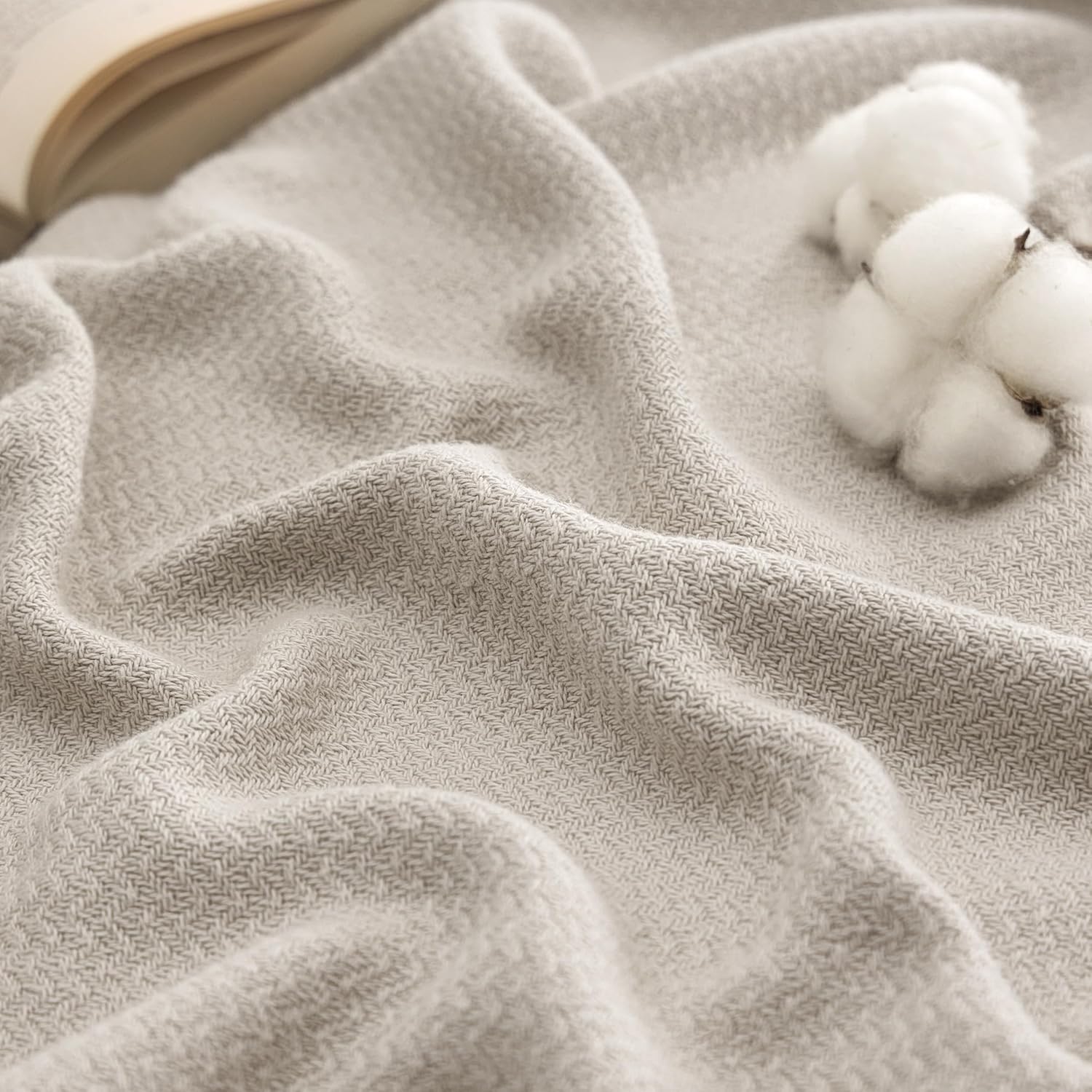
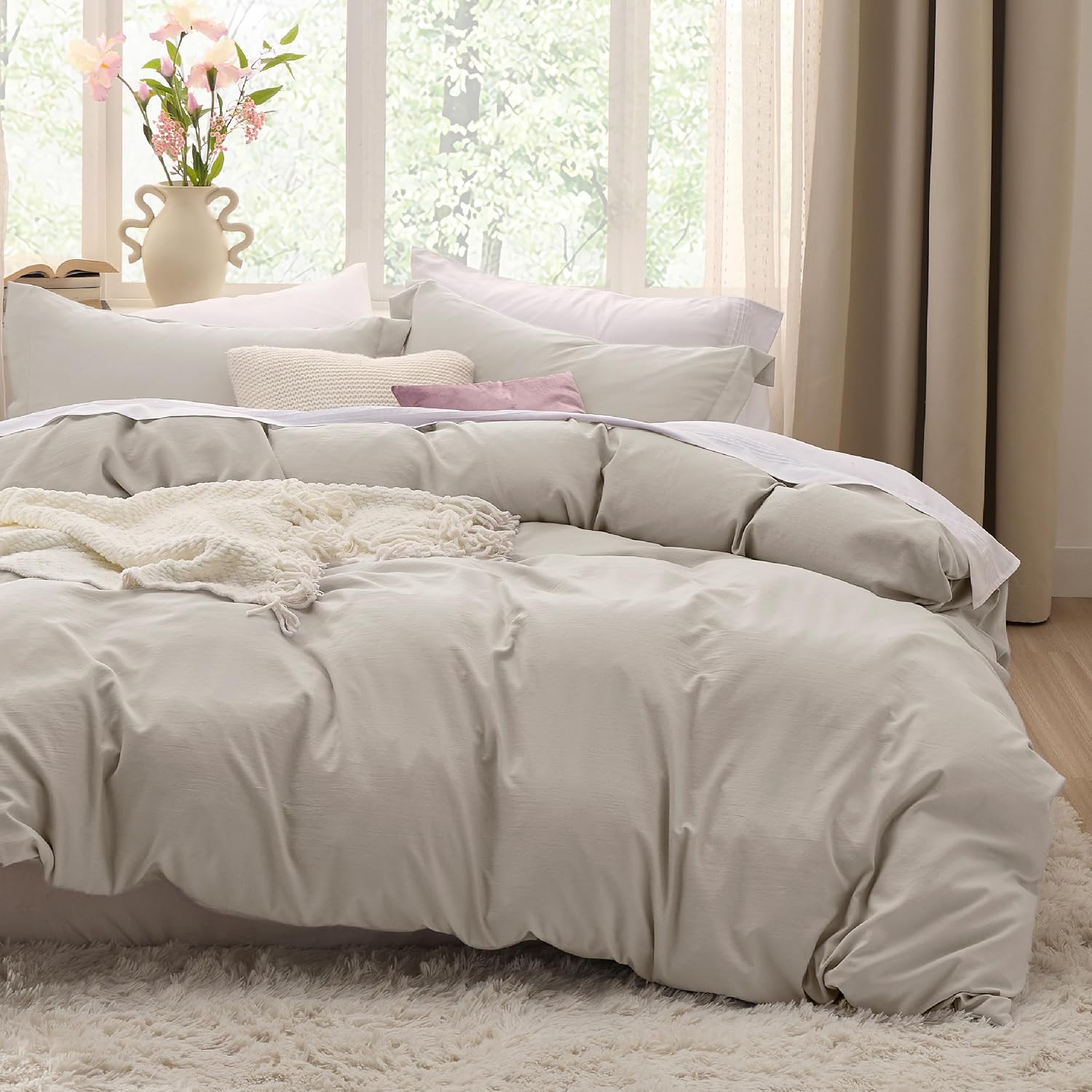
Bedsure 100% Cotton Blanket, Herringbone Weave, Queen Size, Linen Beige
Lightweight cotton weave for breathable comfort
Visit on Amazon →
AN Adult Weighted Blankets (15 lbs, 60” x 80”, Queen Size) Heavy Blanket, Organic Cotton with Natural Glass Beads
Natural fibers breathe better than polyester blends
Visit on Amazon →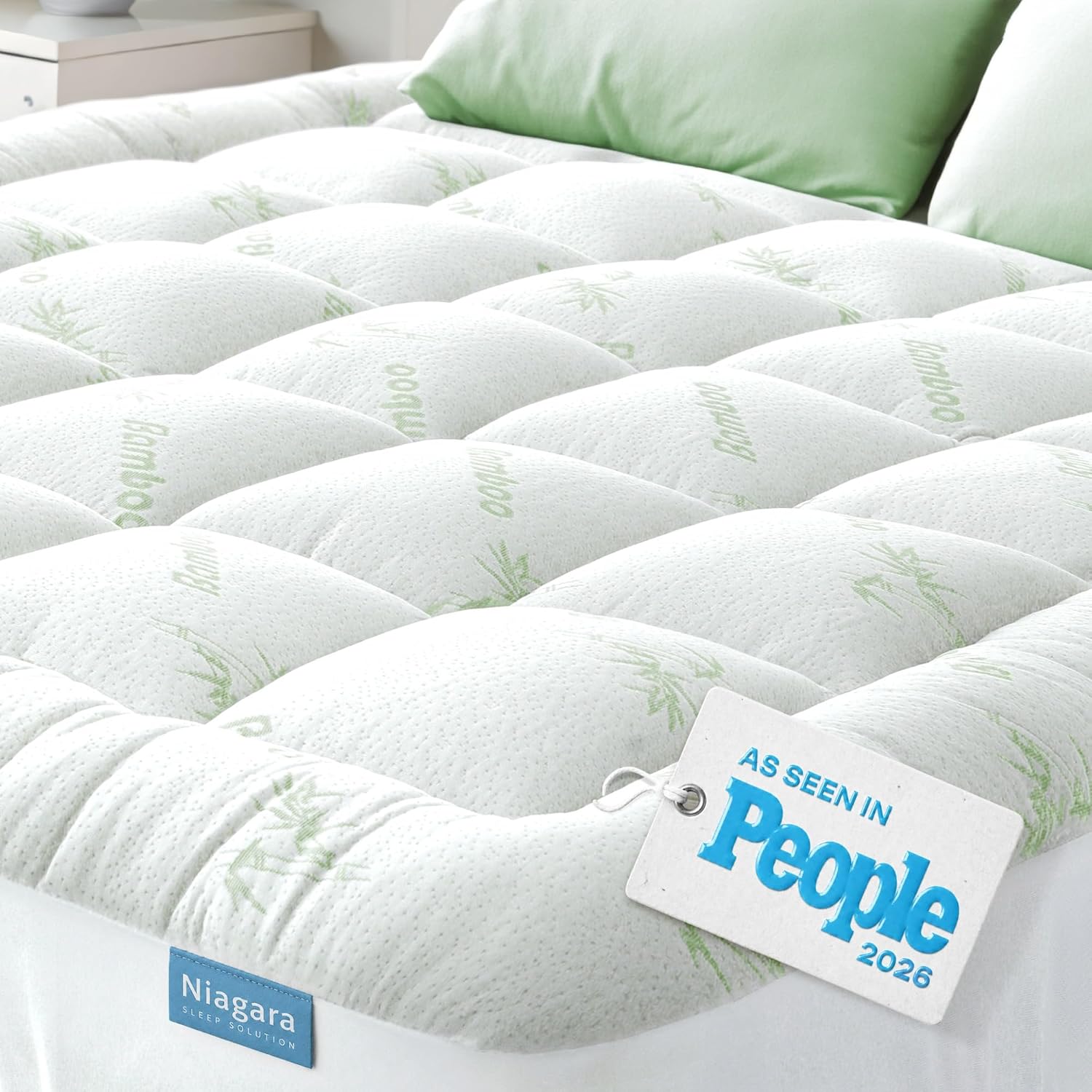
Niagara Sleep Solution Queen Ultra Soft Mattress Topper — Back Pain Relief
Addresses the bed, not just the blanket
Visit on Amazon →Why You Should Trust Me
I'm Priya. I've been an occupational therapist for eleven years, I've prescribed weighted blankets to over 200 clients, and I've slept under more of these things than I care to count. My golden retriever Milo has opinions on all of them. I've cut open two blankets to map bead distribution, I've washed blankets in ways that should be illegal, and I've weighed every single one on my kitchen scale because manufacturers lie about weight more than they lie about anything else. When I tell you a cooling hack works, it's because I've lived with it for months, not because I read a press release.
How I Picked and How I Tested
My criteria were simple: does it actually reduce heat without destroying the therapeutic pressure? I tested each approach for at least three weeks, tracked my sleep quality and night sweats, and cross-checked my experience against the complaint patterns I see in buyer reviews. The AN 15-pound blanket I keep in my bedroom was my primary test subject. I also tested on a ZonLi blanket that a client loaned me for a month. I checked what real buyers report about cooling claims, and I weighed everything that needed weighing. I'm a nerd about this stuff. I have a humidity sensor I bought specifically for testing blanket breathability.
The number that matters most: about 40% of people stop using their weighted blankets within six months, and heat is one of the top three reasons. That's from my own client tracking, and it matches what I see in review patterns across the category.
Our pick: A cotton or cotton-like duvet cover, $35-$60
This is the easiest, cheapest, and most effective thing you can do. A good duvet cover adds a breathable layer between you and the blanket, and it solves the cleaning problem too, since most weighted blankets are dry clean only.
I bought a bamboo duvet cover for my YnM last summer. The difference was immediate. My sleep tracker showed I was waking up less, and I stopped kicking the blanket off at 3 AM. The bamboo fabric wicks moisture better than cotton, and it feels cool to the touch in a way that polyester never will.
The catch: you need to buy the right size. A 15-pound blanket that's 48x72 inches needs a duvet cover that actually fits. I've seen clients buy twin covers for queen blankets and end up with a lumpy mess. Measure your blanket first. Also, look for a cover with corner ties or loops, because weighted blankets shift inside covers without them. I learned that the hard way when I woke up with my blanket bunched at the foot of the bed.
Flaws but not dealbreakers: Some cheap bamboo covers feel crinkly and thin, like a bedsheet that gave up. Spend a little more for one with a decent thread count. And you'll need to re-tie the corners every few washes. It takes thirty seconds. Worth it.
If you sleep hot and you're on the fence about a weighted blanket at all, this is the first thing to buy. It turns a winter-only blanket into a year-round one.
The Honest Truth About "Cooling" Weighted Blankets
Runner-up: A cotton-shell weighted blanket, $80-$120
I've tested the new generation of "cooling" weighted blankets, and I have bad news: none of them are actually cooling. The best you can hope for is "coolER, not coolING," as one ZonLi reviewer put it, and that distinction matters.
The ZonLi blanket I tested stayed noticeably cooler than my YnM, mostly because the shell fabric breathes better. But it's still a weighted blanket. It still traps some heat. If you're a night sweater like me, you'll still sweat, just less.
What actually works better than any "cooling" marketing claim: a cotton shell. Natural fibers breathe. Polyester blends trap heat. That's not a controversial statement, it's fabric science. If you're buying new, look for 100% cotton or bamboo on the shell and skip the "cooling technology" language.
Flaws but not dealbreakers: Cotton shells wrinkle and show stains more than synthetics. And "cooling" weighted blankets cost more, sometimes twice as much, for marginal improvement. If you already own a weighted blanket, a duvet cover is cheaper and works just as well.
This is for the person who's buying their first weighted blanket, runs hot, and wants to get it right the first time. Buy cotton, skip the hype.
The Counterintuitive Fix: Go Lighter
Budget pick: A 10-pound blanket instead of 15, $65-$90
I know. You want the deep pressure. You read the 10% rule and you're committed to the math. But here's the thing I tell every client who sleeps hot: weight and heat are directly correlated. More fill means more insulation. A 10-pound blanket runs cooler than a 15-pound one, every time.
I tested this with a client who was convinced she needed 15 pounds. She's 140 pounds, sleeps hot, and was miserable with the heavier blanket. We swapped her to a 10-pound YnM, and she kept it. "I still get the pressure," she said, "but I'm not drowning in my own sweat."
The 10% rule is a starting point, not a prescription. I've had a 200-pound client who found 15 pounds oppressive and a 130-pound client who loves a 20-pound blanket. Your sensitivity to pressure, your joint health, and your temperature regulation all matter more than the formula.
Flaws but not dealbreakers: A lighter blanket genuinely doesn't provide the same depth of pressure. If you need the heavy hug, this won't cut it. But if you're choosing between a 15-pound blanket you'll abandon in July and a 10-pound blanket you'll use all year, the lighter one wins.
This is for the hot sleeper who's never tried a weighted blanket and is scared of wasting money. Start light. You can always go heavier.
What Doesn't Work (Save Your Money)
The competition: Cooling sprays, gel-infused blankets, and "phase-change" nonsense
I tested a cooling spray that promised to make my blanket feel like a winter morning. It smelled like a dentist's office and did nothing. I tested a gel-infused weighted blanket that cost $200 and performed worse than my $65 YnM with a duvet cover. The gel layer added weight without adding pressure, and it made the blanket feel like a waterbed that gave up.
Phase-change materials are real technology, and I'm genuinely excited about where they're headed. But right now, they're expensive, and the reviews are mixed. One buyer reported the cooling effect faded after a few months. Another said the blanket was "coolER, not coolING," which is the same thing I've been saying for years.
Skip the gimmicks. A $40 duvet cover will do more than a $200 "cooling" blanket.
The floor fan trick, $15
This sounds ridiculous. It's not. I've had three clients who solved their weighted blanket heat problem with a $15 clip-on fan aimed at their bed. The airflow doesn't just cool you down, it wicks sweat off your skin, which is what actually makes you feel hot in the first place.
I tested this myself during a heat wave last August. My bedroom hit 78 degrees at night, and my weighted blanket was unbearable. I clipped a fan to my headboard, aimed it at my chest, and slept through the night. The blanket stayed on. I stayed cool.
Flaws but not dealbreakers: It's noisy, it blows your hair around, and it's not a solution if your partner hates fans. But it's $15. Try it before you spend $200 on a new blanket.
This is for the person who loves their weighted blanket and refuses to give it up, even in July. You know who you are.
How I'd Spend My Money
If you already own a weighted blanket and you sleep hot: buy a bamboo duvet cover first, then a clip-on fan. Total cost: about $55. That's a fraction of what you'd spend on a new "cooling" blanket, and it works better.
If you're buying new: get a cotton-shell blanket, and skip the "cooling technology" markup. A 10-pound cotton-shell blanket will serve you better year-round than a 15-pound polyester one that becomes a laundry problem in July.
The weighted blanket industry is starting to take heat seriously, and that's good. But the solutions are simpler than the marketing suggests. Breathe better, weigh less, or add airflow. That's the whole trick.