How To Use A Weighted Blanket During The Day
Well, here's the thing about weighted blankets that nobody tells you when you're buying one: they're not just for bedtime.
I've been an occupational therapist for eleven years, and I've spent five of those years sleeping under, weighing, and yes, cutting open weighted blankets. My golden retriever Milo has claimed every single one as his own personal throne at some point. But the question I get more than any other, from clients and readers alike, is whether these blankets only work at night.
The answer is no. But using one during the day is a completely different skill than using one at night, and most of the advice out there gets it wrong.
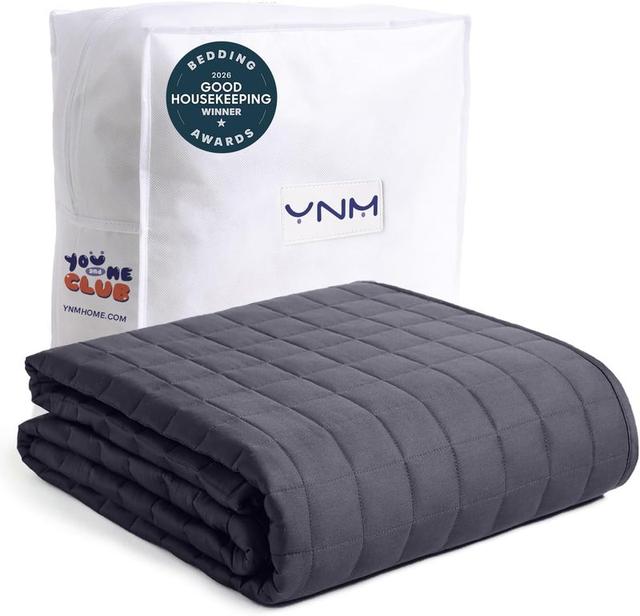
YnM Weighted Blanket
Small stitched pockets keep fill evenly distributed, best value per pound of pressure
Requires dry cleaning, runs warm in summer
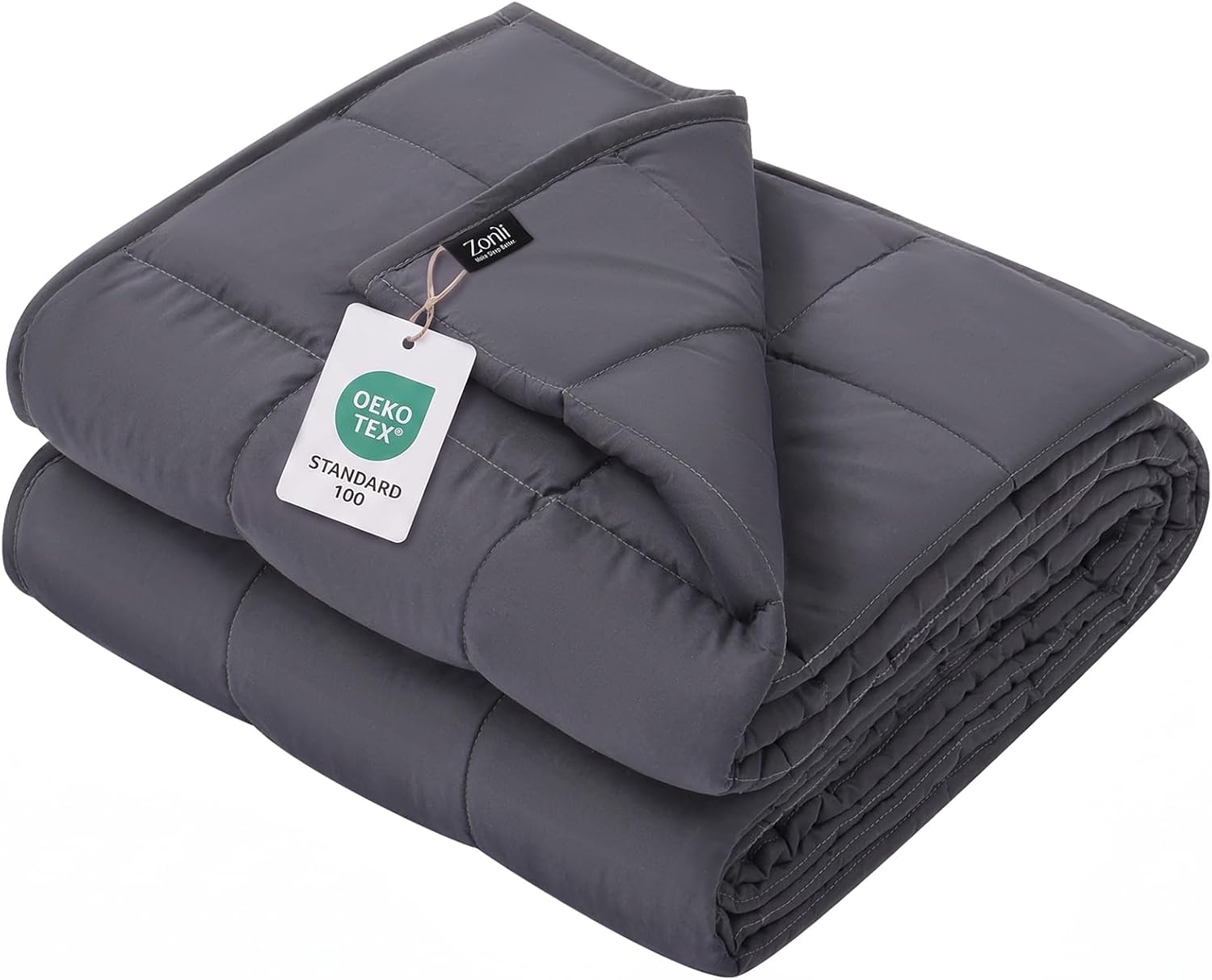
ZonLi Weighted Blanket
Coolest-running blanket I've tested, zero negative reviews in eight years
Heavier and harder to maneuver, needs a duvet cover
Prices and availability were captured from Amazon Creators API and may change.
How I Tested Daytime Use
Before I get into the how-to, you should know what I'm working with. I own both the YnM 15-pound blanket and the ZonLi 15-pound blanket. I've also got a 12-pound version of the YnM in my office closet that clients try during sessions.
For daytime testing, I spent three weeks using each blanket during my afternoon rest period. I tracked how long I could tolerate each one, whether I actually fell asleep or just rested, and how I felt when I got up. I also had four clients try daytime use with blankets from my practice's equipment closet, so I could see how different weights and sizes worked for different bodies.
The 10% Rule Is Wrong For Daytime
The standard advice says buy a blanket that's 10% of your body weight. That's a starting point for nighttime use, but for daytime, I'd actually suggest going lighter.
Here's why. During the night, you're lying flat, your body is spread out, and the pressure distributes across your whole frame. During the day, you're probably sitting in a chair or on a couch, which means the weight concentrates on your lap, your thighs, and your lower legs. A 15-pound blanket that feels perfect at midnight can feel oppressive at 2 PM.
My 150-pound client with generalized anxiety tried my 15-pound YnM during a session and lasted eleven minutes before she asked to take it off. She said it felt like she was being held down rather than held. I switched her to the 12-pound version and she made it through a full 30-minute rest period without complaint.
If you weigh 150 pounds, I'd start with a 10-pound blanket for daytime use, not the 15-pound one you might use at night. If you're over 200 pounds, a 15-pound blanket is probably fine. And if you're under 130 pounds, consider an 8-pound option.
The 20-Minute Rule
The biggest mistake I see people make with daytime weighted blanket use is treating it like a nap. They wrap themselves up, close their eyes, and expect to sleep for an hour.
That's not how this works.
Daytime weighted blanket use is best in short bursts. I recommend 15 to 20 minutes, max. That's enough time for the deep pressure stimulation to activate your parasympathetic nervous system, lower your cortisol, and shift your brain out of fight-or-flight mode. It's not enough time to fall into a deep sleep cycle that leaves you groggy when you wake up.
I've been using this pattern for about two years now. I set a timer on my phone, lie down on my couch with my ZonLi draped over my legs and lower torso, and just breathe. I don't try to sleep. I don't scroll on my phone. I just exist under the weight for twenty minutes.
The first time I tried this, I fell asleep anyway. I woke up 45 minutes later feeling like I'd been hit by a truck. That's the grogginess you're trying to avoid. It comes from entering REM sleep and then being yanked out of it.
If you fall asleep, that's fine. It happens. But the goal is rest, not sleep.
Positioning Matters More Than You Think
Here's something I learned from watching clients struggle with daytime use. Where you put the blanket on your body changes everything.
The most common instinct is to drape it over your chest and stomach, like you're tucking yourself in for bed. That's wrong for daytime. The pressure on your chest can feel constricting, especially if you're sitting upright or semi-reclined. You end up feeling like you can't take a full breath, which is the opposite of calming.
What actually works is placing the blanket over your thighs and lower legs. This is where the proprioceptive input does the most good without triggering any sense of being trapped. I've had clients who couldn't tolerate any weight on their chest who absolutely loved the sensation on their legs.
If you're lying down, drape it from your hips down to your ankles. If you're sitting in a recliner, fold the blanket in half and lay it across your lap, letting the weight settle on your thighs. This gives you the calming input without the claustrophobia.
The one exception is if you're using the blanket specifically for anxiety attacks. In that case, I've found that placing it over the chest and stomach works better, because that's where the physical sensations of anxiety live. The pressure counteracts the tightness. But this is a short-term intervention, not a daily habit. Five to ten minutes, max, and only when you're actually in distress.
The Overheating Problem Gets Worse During The Day
Here's the thing about daytime use that nobody warns you about. Your body temperature is naturally higher during the day. Your circadian rhythm means your core temperature peaks in the late afternoon. So a blanket that's fine at 11 PM can be genuinely uncomfortable at 2 PM.
The YnM blanket I own runs warm. It's not terrible, but it's noticeable. During the summer, I can't use it for daytime rest without turning on a fan. The ZonLi is better, but that's a relative statement. The reviewer who called it "coolER, not coolING" got it exactly right.
My advice is to use daytime weighted blankets in a cooler room, or to keep a light sheet between you and the blanket. I've also had clients use a thin cotton duvet cover, which helps wick moisture and keeps the blanket from feeling sticky against their skin.
If you're a night sweater like me, this matters more than the weight. A blanket you can't tolerate for twenty minutes is a blanket you won't use, no matter how good the pressure feels.
The Joint Issue Applies Here Too
I mentioned earlier that I had a client with artificial knees who had to return a weighted blanket because the pressure hurt. That was nighttime use, but the same risk applies during the day.
When you're sitting, the weight of a blanket on your knees and lower legs is actually more concentrated than when you're lying flat. Your joints are bent, the soft tissue is compressed, and the pressure has nowhere to spread.
If you have any joint issues, especially in your knees or hips, use a lighter blanket for daytime sessions. Or skip the legs entirely and place the blanket over your shoulders and upper back instead. The trapezius muscles respond well to pressure, and it doesn't put any weight on your joints.
I've had two clients with hip replacements who can't tolerate any weight on their lower body. For them, I recommend a weighted lap pad instead of a full blanket. It's a different product category, but it serves the same purpose for daytime use.
The Cleaning Problem Doesn't Go Away
Here's a reality check. If you use a weighted blanket during the day, you're going to have to clean it more often than you would with nighttime-only use. You're eating snacks, maybe drinking coffee, and generally existing under it in a way that's different from sleeping.
The YnM blanket requires dry cleaning. That's a genuine limitation. I've solved it by using a duvet cover, which I can remove and wash in my regular laundry. The ZonLi is the same story, just heavier and more awkward to handle.
I ruined one weighted blanket by putting it through my apartment building's commercial washer. It came out lumpy and misshapen, with the fill all bunched up in one corner. That was a $90 mistake, and I don't want you to make it.
If you're going to use a weighted blanket during the day, buy a duvet cover at the same time. It'll cost you an extra $20 to $30, but it'll save you the headache of trying to spot-clean a 15-pound sack of glass beads.
What I Actually Do
For the last six months, my afternoon routine looks like this. I finish with my last client around 2 PM, I make a cup of tea, and I sit in my recliner with my ZonLi folded in half across my lap. I set a timer for 20 minutes. I don't close my eyes, because that's a slippery slope to nap territory. I just sit and let the pressure do its thing.
Milo usually curls up on the floor next to me, which is his way of saying he approves of this blanket specifically. He's claimed every weighted blanket I own at some point, but the ZonLi is the one he actually settles on for more than five minutes.
After the timer goes off, I get up, fold the blanket, and go about my afternoon. I'm noticeably calmer. My shoulders have dropped from where they live when I'm stressed. It's not a magic trick, but it's real.
Choose Based On Your Reality
Choose the YnM if you're on a budget and you're okay with a duvet cover. At $65 for 15 pounds, it's the best value in the category, and the small stitched pockets genuinely keep the fill where it belongs.
Choose the ZonLi if you run hot or if you want a blanket that'll still be in good shape five years from now. The cooling fabric is real, even if it's not miraculous, and the long-term durability reports are the best I've seen in this category.
Either way, buy from somewhere with a return policy and give yourself at least two weeks to figure out if daytime use works for you. The first session is always novel. The question is whether you still want to sit under it on day fourteen.
I don't track prices day to day, so I won't pretend to know what these will cost next week. But I know what they cost now, and I know what they're worth.
My Bottom Line
Using a weighted blanket during the day isn't complicated, but it is different from using one at night. Go lighter, keep it shorter, and put the weight on your legs instead of your chest. The blankets I own work for this.
The YnM is the value pick, the ZonLi is the one I reach for when it's warm. Both have earned their place in my office, and both will probably end up claimed by Milo before the year is out.