I have been an occupational therapist in Chicago for eleven years, and I have slept under a weighted blanket since 2019, when I bought one out of desperation after a stretch of insomnia that made me useless by 2 p.m. I have bought and tested 14 of them since. I weigh every blanket on a kitchen scale, I have taken a humidity sensor to more shell fabrics than any reasonable person should, and I have opened up enough quilting to know where beads migrate. Choosing a weighted blanket is not really a weight decision. It is a fabric, stitch, and laundry decision.
My caseload is mostly anxiety and sensory-processing clients, so I hear the follow-up stories that product reviews never capture. Roughly a third of the blankets I have recommended over the years end up folded in a closet inside two months. Almost none of those abandonments were about weight. They were about heat, bead migration, or a blanket that could not go into a home washing machine without a duvet cover and a prayer.
Related: Weighted Blanket Weight Chart: Why the 10% Rule Is a Starting Point, Not a Rule
For most adults, the 15-pound glass-bead blanket with a washable shell is the pick. For most children, the 5-pound cotton blanket is the pick. The 5-pound lap pad and the mesh wash bag solve two different problems that a blanket cannot solve, and one of them is the reason a blanket stays in use instead of in a closet. Here is how the four options I actually recommend stack up.
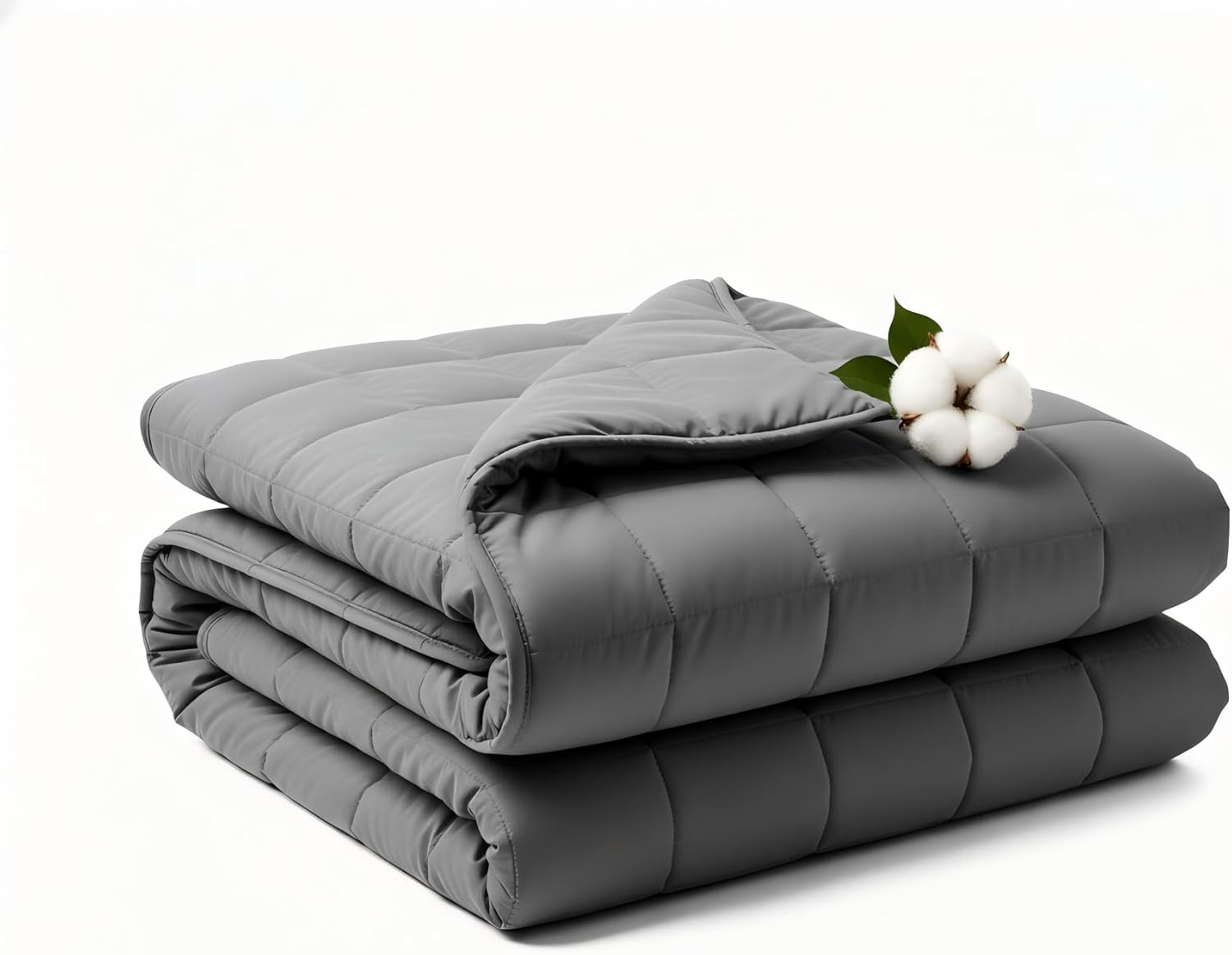
Weighted Blanket 15 lbs, 60 x 80 in, for adults
Real bed-sized coverage with glass beads and a machine washable shell, which is rare at this weight
15 pounds is too much for a small adult or a child, and "cooling" is a claim until you sleep under it
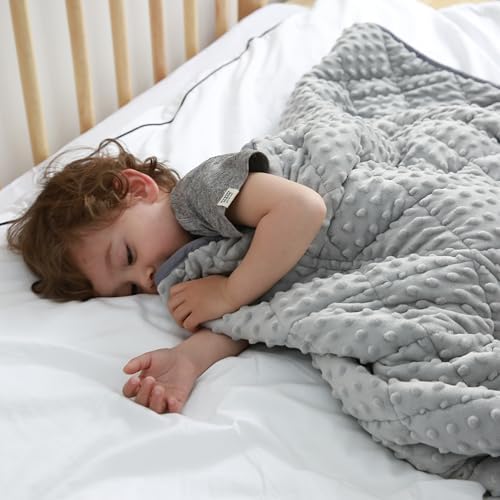
MAXTID Weighted Blanket for Kids, 5 lbs, 36 x 48 in, cotton
Cotton shell breathes, and 5 pounds is light enough for a child to move alone
Sized for a toddler or small child only, so the useful life is short
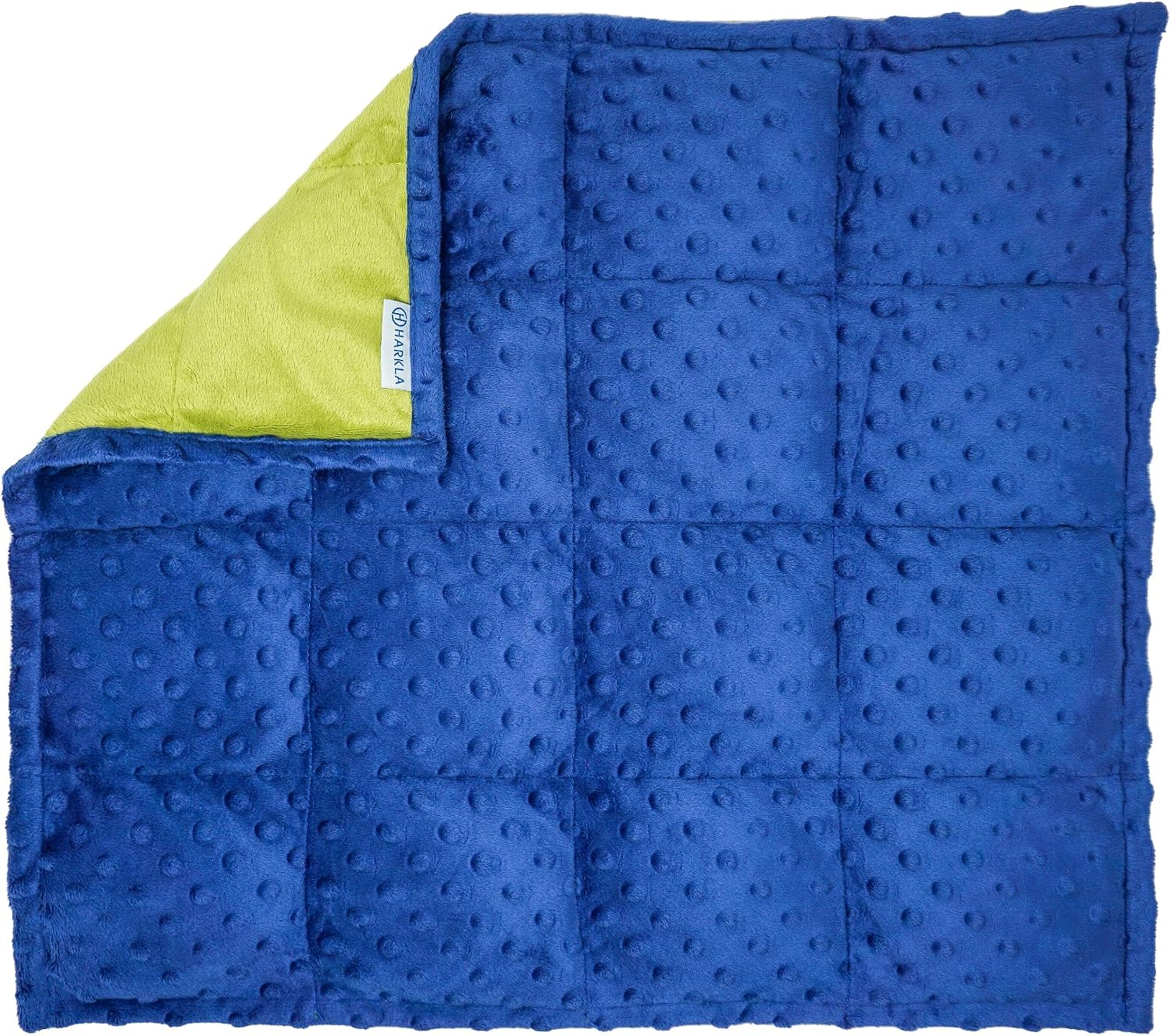
Harkla Weighted Lap Pad for Kids, Deep Blue, 5 lb
Puts weight where you need it for seated work without trapping heat at night
It is not a sleep blanket, so it covers nothing at 2 a.m.
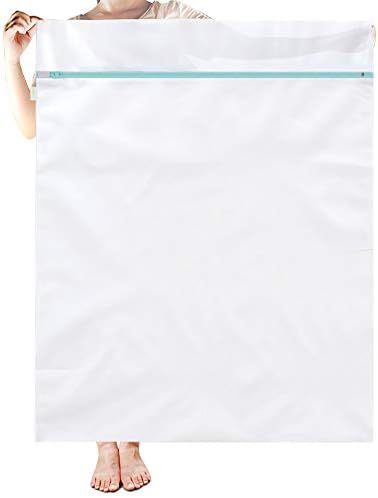
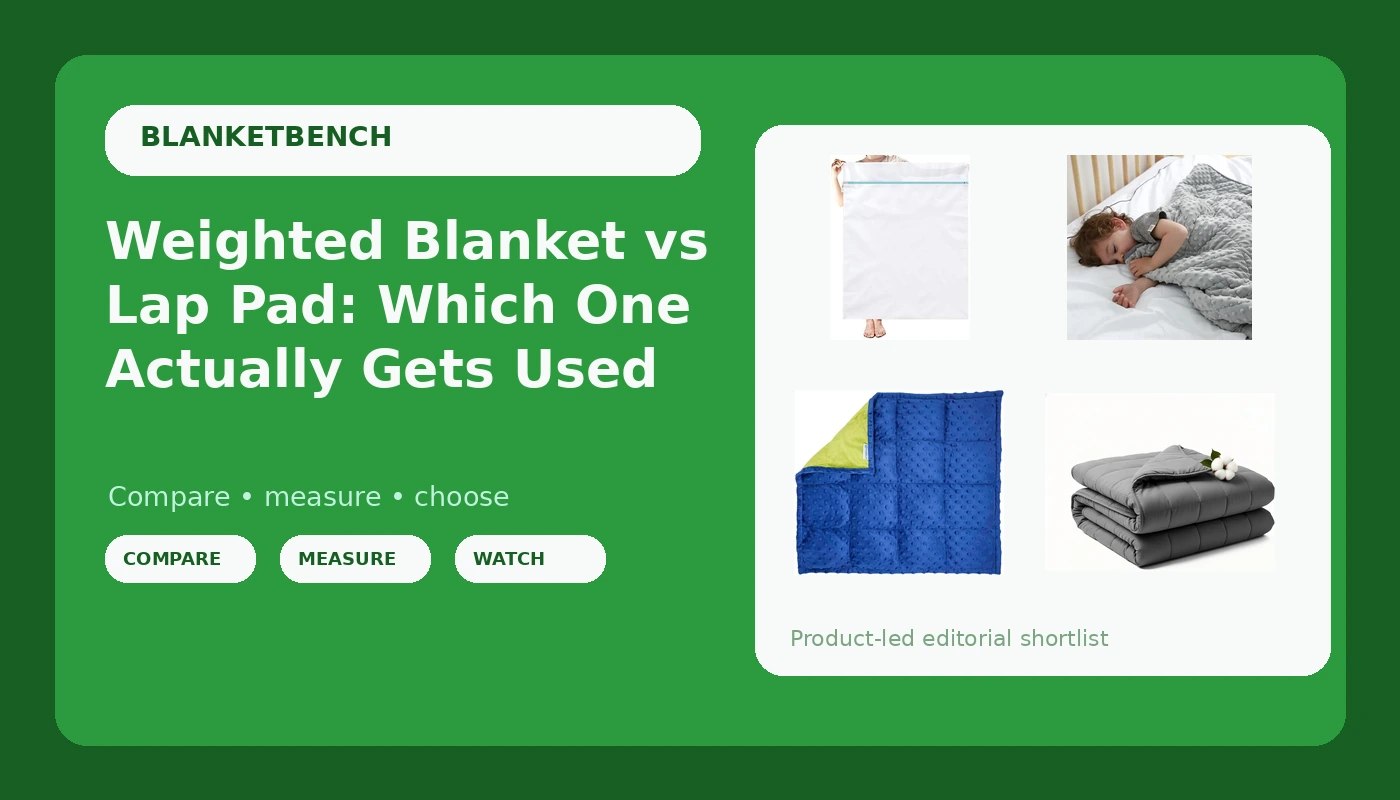
OTraki Large Mesh Washing Bag, 43 x 35 in, XXL
Big enough for a 60 x 80 blanket and keeps heavy quilting off the agitator
Adds a step to laundry day and does nothing for a blanket that is not washable
Prices and availability were captured from Amazon Creators API and may change.
How I judge a weighted blanket before I judge the weight
Four things, in order: shell fabric, bead distribution, stitch density, and whether the thing can survive a home washing machine. Weight comes fifth. That ordering upsets people who have been told the 10% guideline is a rule, but it matches what I see in practice.
Shell fabric is the product. Cotton and bamboo breathe. Polyester traps heat. Chicago gives you a free stress test every July, and a blanket that turns into a sauna in June is abandoned by August no matter how good the first week felt. This is also why I tell clients that the fabric, not the weight, decides whether they still own the blanket next spring.
Bead distribution is everything. I have opened up blankets after a month of nightly use and mapped where the glass beads ended up. The good ones hold their fill because the quilted channels are small and the stitching is dense. The bad ones pool weight at the edges or dump it into the center, and a blanket that pools is a sack of potatoes on your chest. You can check this before you buy by looking at the quilting pattern in the product photos, and you can check it in a week by picking the blanket up by one corner and feeling where the mass sits.
Washability is the abandonment predictor. A blanket that needs a duvet cover to survive a wash is a blanket that ends up in a closet, because nobody wants a two-part laundry system for a sleep aid. I have the client stories to prove it, and the clients who wash their blankets monthly are the ones still using them two years later.
I do not put much stock in "therapeutic" language on a product page. The evidence on weighted blankets is mixed and I say that out loud, including to people who want me to tell them it is a cure. What I can actually measure is whether the weight stays put and whether the shell breathes. Everything else is marketing.
The adult pick: 15 pounds with a washable, cooling shell
This is the blanket I would hand a 150-pound anxious sleeper first. It is 15 pounds, it is 60 by 80 inches, it uses glass beads, and the listing says machine washable. Those four facts matter more than any badge on the packaging.
Fifteen pounds sits right at the center of the 10% guideline for a 150-pound adult, which is convenient but not the reason to buy it. The guideline is a starting point. I have seen a 200-pound man sleep happily under 12 pounds, and I have had a 130-pound client ask me to find her something heavier than the 13 pounds she started with. The weight range that works is wider than the internet suggests, and heavier is not more therapeutic. It just feels heavier.
The 60 by 80 inch footprint is the part I care about most. That is a real bed size, not a throw, and a throw-sized blanket slides off you at 3 a.m. and ends up on the floor. Coverage that stays put is worth more than an extra two pounds of fill.
The cooling claim deserves skepticism. A breathable shell genuinely helps, and phase-change fabrics are the next premium tier in this category, but "cooling" on a product page is a claim, not a measurement. If you sleep hot, treat the shell material as the deciding factor and the word "cooling" as a hint. The machine washable claim, on the other hand, is the one I would verify in the listing before buying, because it is the difference between a blanket you keep and a blanket you store.
The honest trade-off: 15 pounds is a real load. If you are small, or if you have shoulder or back issues, pulling a 15-pound blanket up at night can feel like work. If that describes you, look at 12 pounds instead and do not let anyone tell you that you bought the wrong thing.
The kids pick: 5 pounds in a cotton shell
The MAXTID kids blanket is 5 pounds, 36 by 48 inches, and cotton. Two of those three facts are the reason it makes this list.
The cotton shell is the first. Children run hot, and a polyester shell on a small body is a recipe for a blanket that gets kicked off by midnight. Cotton breathes, and in a house without central air in July that is not a small detail.
The second is the weight. Five pounds is light enough that a child can move it alone. That is my hard rule for kids, and it overrides any body-weight percentage: if a child cannot lift the blanket off themselves, it is too heavy, full stop. I have watched a parent buy a 10-pound blanket for a 60-pound eight-year-old because the math said 10%, and I have watched that blanket get thrown on the floor every night for a month.
The size is the limitation. At 36 by 48 inches this fits a toddler bed or a small child in a twin, and it will not cover a twin properly. Realistically you are buying two to three years of use before the child outgrows both the weight and the footprint. That is fine, but buy it knowing the runway is short, and do not expect it to be the last kids blanket you purchase.
Two safety notes I will not soften. Weighted products are not for infants, and I do not recommend them during pregnancy. This is not a critique of this blanket specifically. It is a line I do not cross with any of them.
The lap pad: same weight, completely different job
The Harkla weighted lap pad is 5 pounds, deep blue, and it is not a sleep product in my book. It is daytime proprioceptive input: on a lap during homework, at a desk, in the car, on the couch during a hard afternoon.
That is a genuinely useful thing, and it is useful precisely because it is not a blanket. Weight goes only where you need it, so nothing traps heat across your torso at night. It is small enough to carry between rooms and to slide into a bag, which means it actually travels to the places where a kid needs help staying seated. For a child who needs grounding during seated work, a lap pad often beats a blanket simply because it does not look like a sleep intervention when it shows up at school.
The trade-off is obvious once you say it out loud: it covers nothing. If the problem is falling asleep, a lap pad is not the answer. It is a different tool for a different hour of the day, and buying it hoping it doubles as a blanket will leave you disappointed.
The wash bag: the least glamorous purchase that keeps the blanket in use
The OTraki mesh bag is 43 by 35 inches, which is big enough to swallow a 60 by 80 blanket, and it is the item on this list that most changes the abandonment rate. Here is why.
A 15-pound blanket is heavy when wet, and a home washer's agitator is not kind to dense quilting. A mesh bag keeps the blanket from snagging on the drum, keeps the corners from wrapping around the center post, and gives you a way to wash a kid's cotton blanket alongside the rest of a load without it picking up whatever is on the towels. It also gives you somewhere to store the blanket between washes if you are short on shelf space.
Washability is the deciding factor in whether a blanket survives past month two, and this bag is what makes washing a 15-pound blanket practical in a normal machine instead of a laundromat trip. The caveat: it does not make a non-washable blanket washable. If a shell requires a duvet cover to survive a cycle, a mesh bag does not fix that problem.
The trade-offs, stated plainly
If you need sleep coverage for an adult, the 15-pound blanket is the answer, and you accept that it is heavy to move and that the cooling language is a claim rather than a spec.
If you need sleep coverage for a child, the 5-pound cotton blanket is the answer, and you accept a short useful life and a footprint that will not fit a twin properly.
If you need daytime grounding for seated work, the lap pad is the answer, and you accept that it is not for sleeping.
If you already own any of the three, the mesh bag is the accessory that keeps it out of the closet, and you accept one extra step on laundry day.
What you should not do is buy the heaviest blanket you can afford. I have watched that decision play out dozens of times, and it ends with a blanket folded on a shelf and a client telling me it "felt like too much." It was.
Who should buy which
A 150-pound adult with racing thoughts at bedtime: the 15-pound adult blanket, washed monthly, in a mesh bag.
A parent of a five- to eight-year-old who kicks blankets off: the 5-pound cotton kids blanket, with the same mesh bag.
A child who needs help staying seated during homework: the lap pad, kept at the desk rather than on the bed.
Someone who already owns a weighted blanket and hates laundry day: the mesh bag, and nothing else. It is the cheapest way to extend the life of something you already bought.
Someone who cannot lift 15 pounds comfortably: skip the heaviest option entirely. Weight that you fight is weight you will stop using.
What I am watching next
Two things, and I keep a dated list and score it every January. First, phase-change cooling shells moving from novelty to standard, because the market is splitting into medical-adjacent products that are certified and washable, and wellness-lifestyle products that are prettier and more expensive. Second, trial and rental programs, because the abandonment problem is a business problem and somebody will solve it.
The prediction I am most confident in: within three years, the blanket you can wash will be the blanket you keep, and the marketing language will catch up to that fact. It usually does, eventually.
None of this is a cure for anything. A weighted blanket is a sleep aid that works for some people and does nothing for others, and the honest version of this category is that the fabric and the laundry matter more than the number on the label. Get the shell right, keep it washable, and start at a weight you can move by yourself. That is the whole decision, and it is a much smaller one than the product pages want you to think.