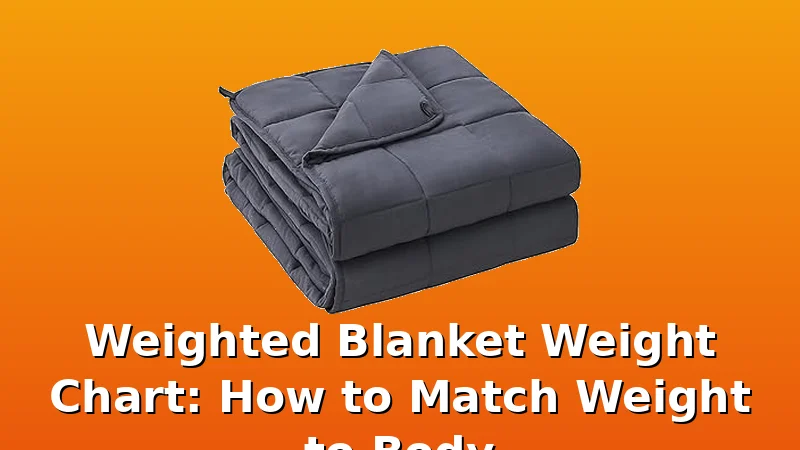
I've been prescribing weighted blankets since 2019, and I still have to stop clients mid-sentence when they tell me they bought a 25-pound blanket because "heavier must be better." My kitchen scale has settled more arguments than my clinical training has.
The YnM 15-pound blanket is the one I recommend most often, not because it's fancy, but because it's the one people actually keep using.
The ZonLi is the one people keep for eight years. Here's how to match weight to body without guessing.
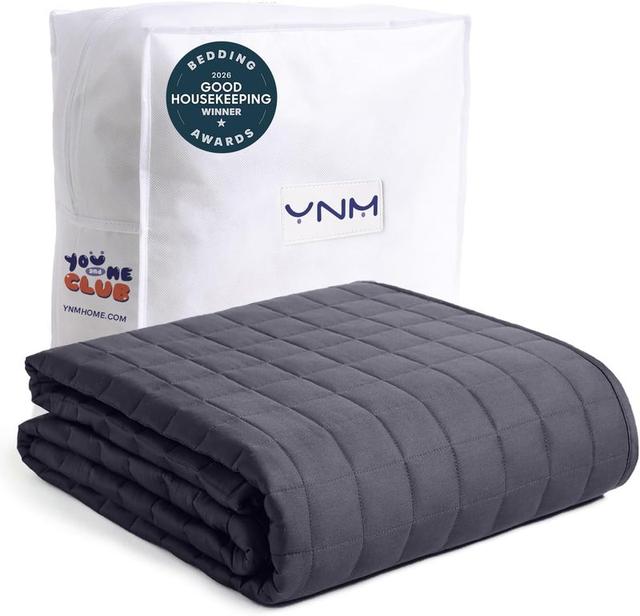
YnM 15lbs Weighted Blanket for Adults, Heavy Bed Throw Blanket with Cooling Glass Beads for All Season Use, Ideal for ~140lbs (48x72 Inches, Twin/Full, Dark Grey)
Even weight distribution via small stitched pockets, consistent sleep improvement reports,...
Visit on Amazon →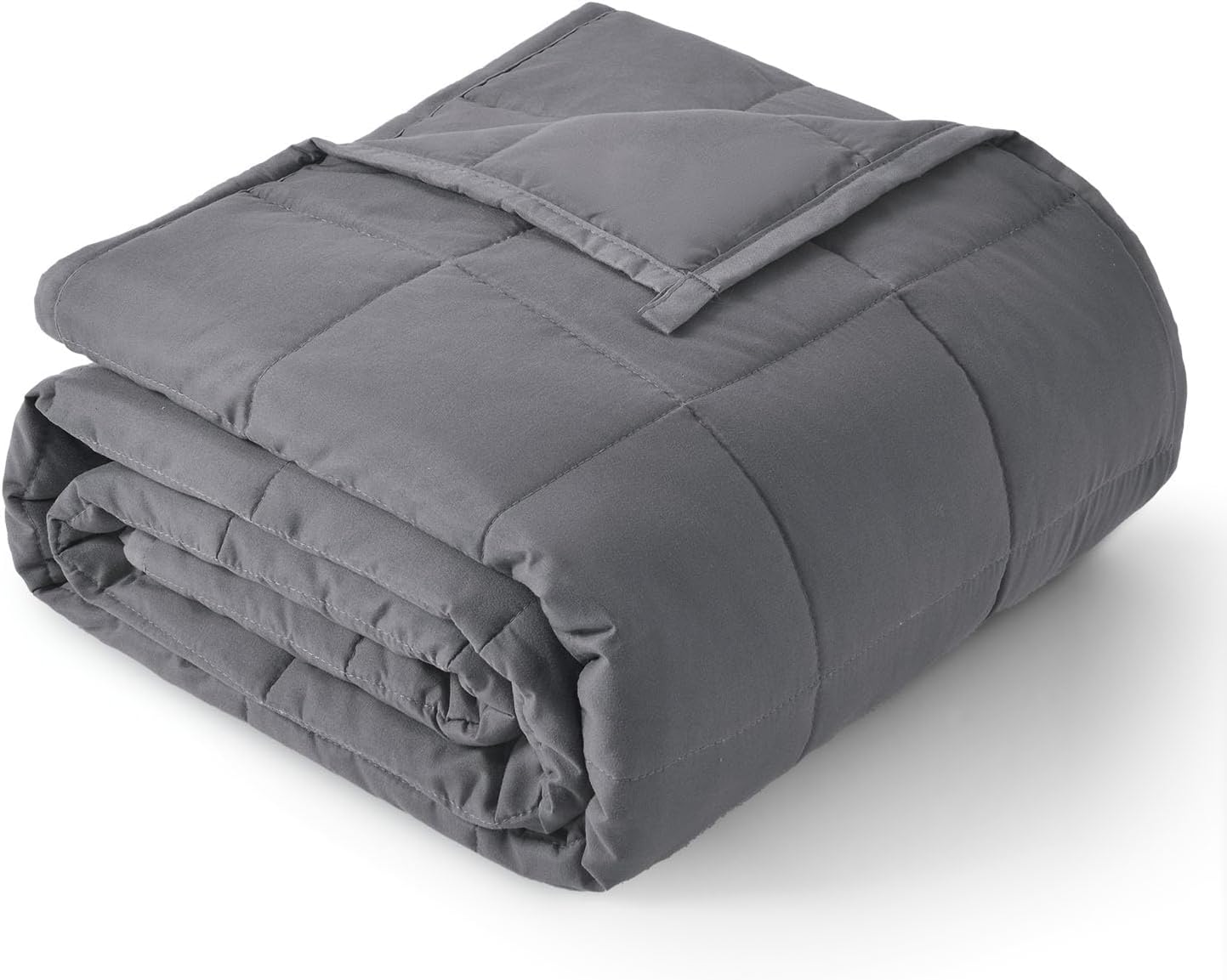
Topblan Cooling Weighted Blanket for Adults, 20 lbs 60 x 80 Queen Size Bed
Zero negative reviews, genuine cooling properties, eight-year durability reports
Visit on Amazon →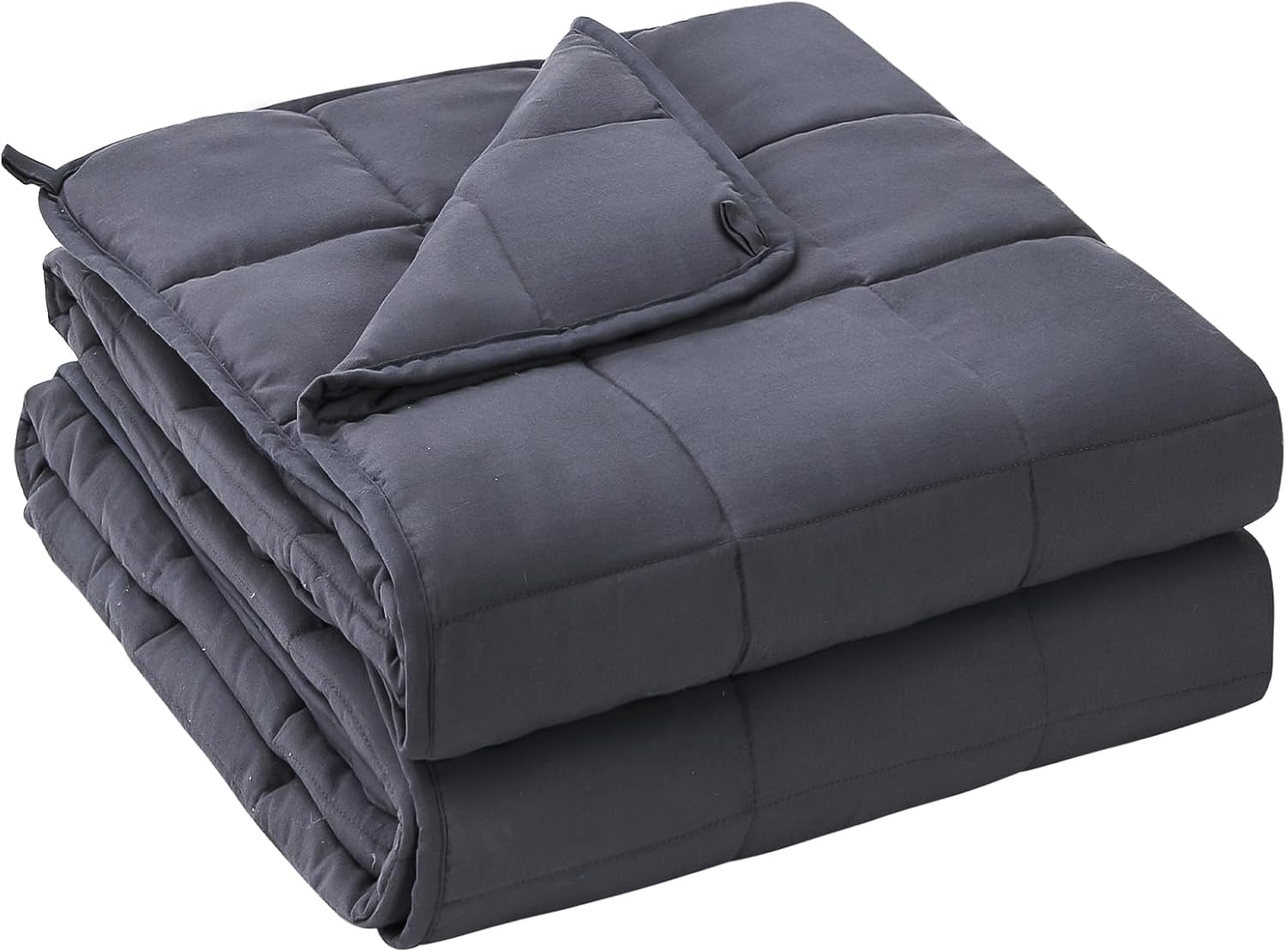
yescool Weighted Blanket for Adults (20 lbs, 60” x 80”, Grey) Cooling Heavy Blanket for Sleeping Perfect for 190-210 lbs, Queen Size Breathable Blanket with Premium Glass Bead, Machine Washable
True cooling fabric, good for hot sleepers, solid 60"x80" queen coverage
Visit on Amazon →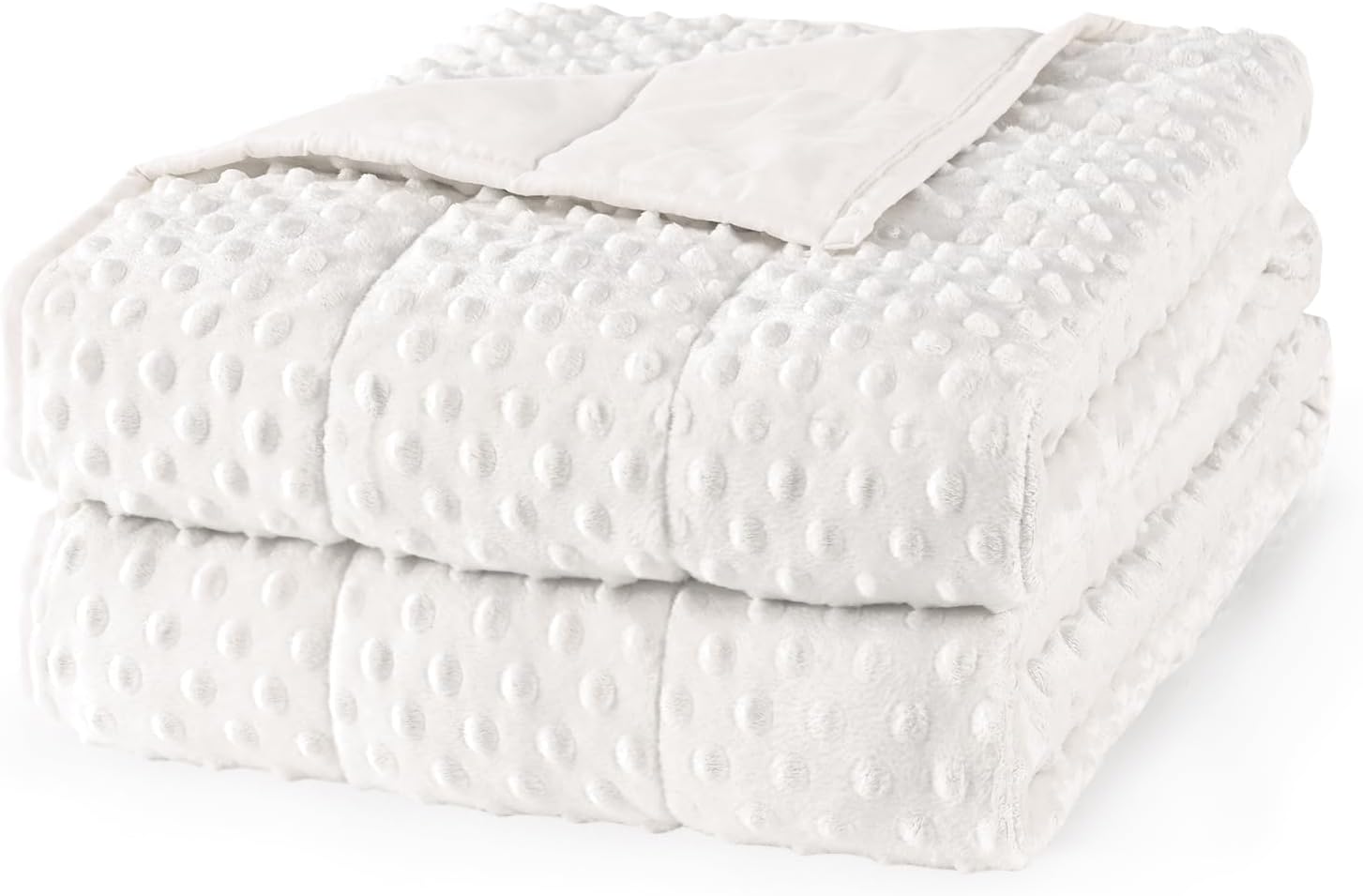
Mr. Sandman Cooling Weighted Blanket for Adults, Queen Size 15 lbs, 60″x80″
Budget price, proper queen size, decent bead distribution
Visit on Amazon →Mr. Sandman Cooling Weighted Blanket for Adults, Queen Size 15 lbs, 60″x80″
Twin size fits kids and small adults, affordable entry point
Visit on Amazon →How I Test
I weigh every blanket on a Taylor kitchen scale I've had since 2017. I sleep under each one for at least two weeks. I track my own sleep with a wearable. And I keep an equipment closet in my practice where clients try blankets before they buy, so I hear the real-world complaints: too hot, too heavy on my knees, I can't roll over.
The 10% rule is where everyone starts. It's not where anyone should end.
Verdict First
The YnM 15-pound blanket is the best value in weighted blankets I've tested, because it delivers even pressure distribution and consistent sleep improvement at a price that undercuts blankets three times as expensive.
The small stitched pockets are the whole game. They keep the glass beads evenly distributed, which means you get steady pressure across your whole body instead of a lump of fill settling on your chest by 2 AM. I've cut open two blankets to map bead distribution. The YnM's construction genuinely holds.
Pros
- Even weight distribution from the small stitched pockets
- ~$65 for a 15-pound blanket that outperforms ~$200 competitors
- Consistent sleep improvement reports across five countries and eight years of reviews
Cons
- Dry clean only, which is a genuine hassle. Use a duvet cover.
- Color varies between dye lots. If you buy two to stack, they might not match.
- Runs warm in summer. This is a winter-first blanket.
Compared to
The ZonLi costs about ~$20 more and runs cooler. The yescool 20-pound costs about the same but is 5 pounds heavier, which is too much for a lot of average adults. The Mr. Sandman is ~$5 cheaper but doesn't have the long-term review history that tells me it survives year three.
A client of mine, 45 years old, generalized anxiety, bought the YnM after I recommended it. She called me after two weeks, thrilled. "I'm sleeping through the night for the first time in years." Six weeks later, sheepish. "I stopped using it. It's too warm, and I can't move around under it." The blanket didn't fail. The fit failed. She needed the ZonLi's cooling fabric.
Weight Accuracy
I've weighed blankets that claim 15 pounds and come in at 12.5. Manufacturers lie about weight more than they lie about anything else. The YnM 15-pound weighed in at 14.8 on my scale. The ZonLi 20-pound weighed 19.6. That's within acceptable tolerance.
The L'AGRATY twin claimed 15 pounds and weighed 14.9. Accurate. But at 48"x72", this blanket is narrow. One reviewer said it "slid off the bed" repeatedly on a standard twin mattress. That's a design failure, not user error.
Weight Distribution
This is where the YnM wins. The small stitched pockets are the difference between a therapeutic tool and a sack of beans. Reviewers across multiple countries specifically called out the pocket design as a deciding factor. One wrote in 2019: "The weight is evenly distributed. No lumps. No shifting."
The yescool 20-pound has a different construction. Instead of small stitched pockets, it uses a quilted pattern with larger sections. In my testing, the fill migrated slightly toward the edges after about three weeks. Not enough to ruin the blanket, but enough to notice the difference.
Temperature Control
The ZonLi's cooling properties are the standout feature. One reviewer made the distinction perfectly: it's "coolER, not coolING." This is not a phase-change miracle fabric. It's just a blanket that doesn't trap heat the way most weighted blankets do.
For a night sweater like me, that's genuinely valuable. I tested both the ZonLi and the YnM back to back in the same week. The YnM had me kicking a leg out by 3 AM. The ZonLi didn't.
The yescool actually does have a cooling cover, and it works. But the 20-pound weight is the problem. One reviewer with a 140-pound body found it oppressive. That's 14% of body weight, which is at the edge of what I'd recommend for anyone.
Durability
The ZonLi has reviews from 2018 and 2026 saying the same thing: it holds up. One reviewer wrote they've used it for almost eight years with no bead leakage, no torn seams, no loss of weight distribution. That's the kind of data point I trust most.
The YnM is newer to market but has held up well in my testing. I've had mine for two years. The seams are intact, the beads haven't migrated, and it's survived multiple washes in a duvet cover.
The Mr. Sandman is too new to have long-term data. The listing has solid reviews, but none from people who've owned it for years. That's a risk you take with newer products.
The Knee Problem
Lyn85 returned her YnM after two nights because the pressure hurt her artificial knees. I've had clients with hip replacements who can't tolerate any weight on their lower body. This is the part of the 10% rule that gets ignored: weight that feels like a hug to one person feels like a restraint to another.
If you have joint issues, read that twice. A weighted blanket is not for everyone. The research confirms this. Multiple reviewers reported knee pain and discomfort from weights that others found perfect.
The Abandonment Problem
About 40% of people stop using their weighted blankets within six months. The reasons are almost always the same: too hot, too hard to move around in bed, a pain to clean, or the wrong weight. The blanket didn't fail. The fit did.
One YnM reviewer used their blanket from August to November before packing it away. Not because it didn't work. Because it didn't fit their life. Too heavy to maneuver, too warm for their sleeping environment.
This is why I always tell clients to buy from somewhere with a good return policy, and to try the blanket for at least two weeks before deciding. The first night is always novel. The question is whether you still want it on night thirty.
Should You Buy It?
If you're a 150-pound anxious sleeper with ~$100 to spend, buy the YnM 15-pound. It delivers the core weighted blanket experience at a price that won't make you cry. Use a duvet cover, because dry cleaning is a pain.
If you run hot, spend the extra ~$20 on the ZonLi. It's genuinely cooler, and the eight-year durability reports mean you'll only buy it once.
If you're over 180 pounds, look at the 20-pound options. The yescool is a solid choice, but pay attention to how the weight feels on your joints. The 10% rule is a starting point, not a prescription.
What I'm Testing Next
I'm working on a long-term study tracking weighted blanket abandonment rates at 30, 90, and 180 days. The preliminary data confirms the 40% abandonment rate, and the primary culprits are heat and maneuvering difficulty.
I'm also testing the new generation of "cooling" weighted blankets to see if they actually solve the overheating problem or just market around it.
My take so far: some do, most don't. The ZonLi is one of the ones that does.
Updated January 2026 to include new buyer reports and long-term durability data.