Most people buy a weighted blanket in the wrong order. They pick a number, usually 10 percent of body weight, then they pick the cheapest listing that matches the number, then they discover in week three that the shell is a sauna or that the beads have slid into two lumps near their feet. This weighted blanket comparison works from the other end: coverage, shell fabric, bead containment, and whether the thing can survive a laundry cycle. I'm an occupational therapist in Chicago, I bought my first weighted blanket in 2019 out of plain insomnia, and I've handled 14 of them since, for myself and alongside anxiety and sensory-processing clients. My conclusion after five years is unglamorous. The blanket you keep is the one whose shell breathes and whose beads stay put. The weight is the easy part.
Related: How Heavy Should a Weighted Blanket Be for Adults
For most adults who sleep alone, the best starting point in this comparison is the SERTA Zen Rest 10 lb throw. Ten pounds across a 48 by 72 inch shell is enough weight to register as pressure without becoming a wrestling match, and the size is the realistic one for a twin or full bed. The two 15 pound options here are not wrong, they are a bigger commitment, and you should understand what you are committing to before you buy one.
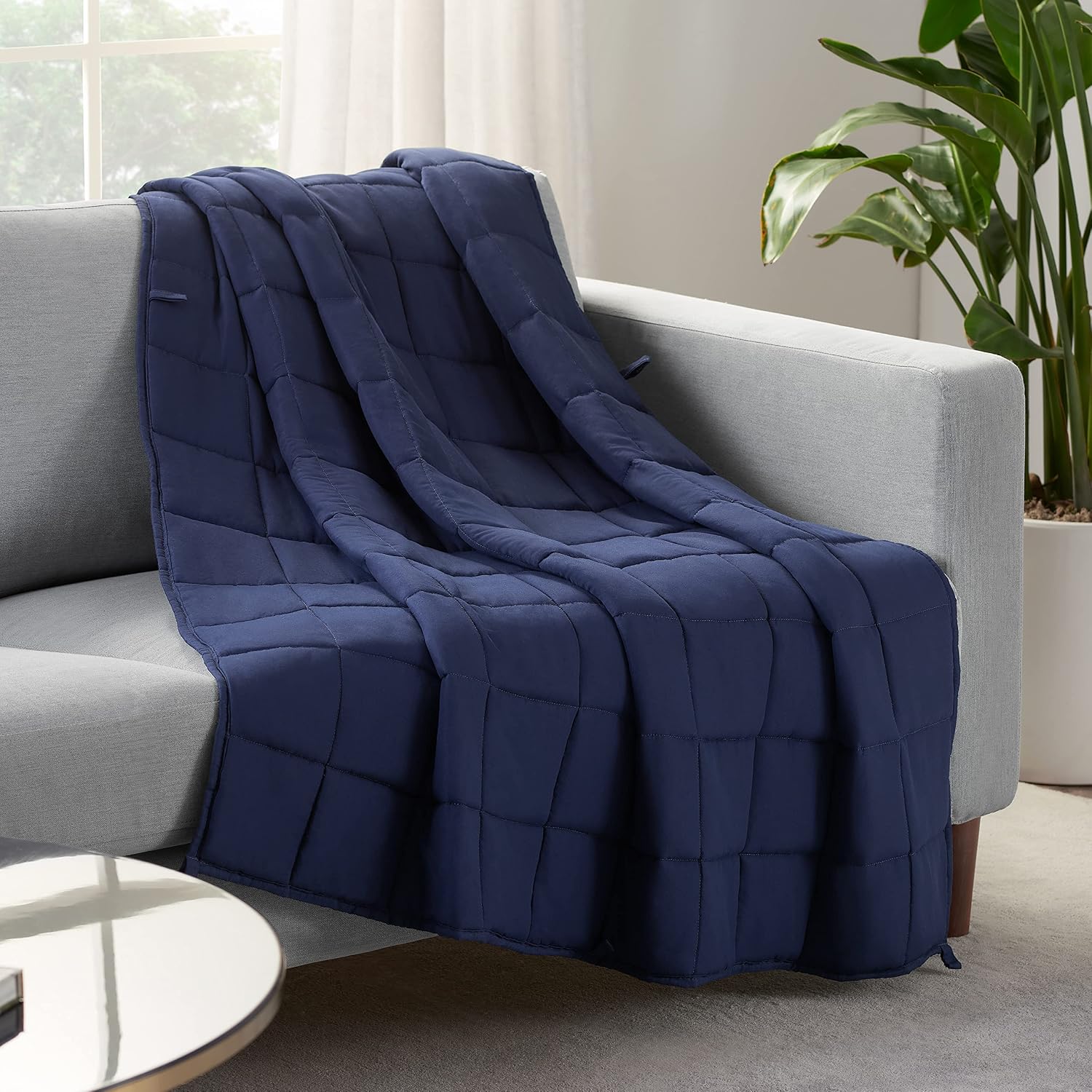
SERTA Zen Rest 10 lb weighted throw, 48 x 72, navy
Lightest usable weight for a solo sleeper, glass bead fill, wrinkle-resistant finish aimed at real laundry
48 x 72 leaves tall frames with cold shoulders or feet, and the shell fiber is not spelled out for summer sleepers
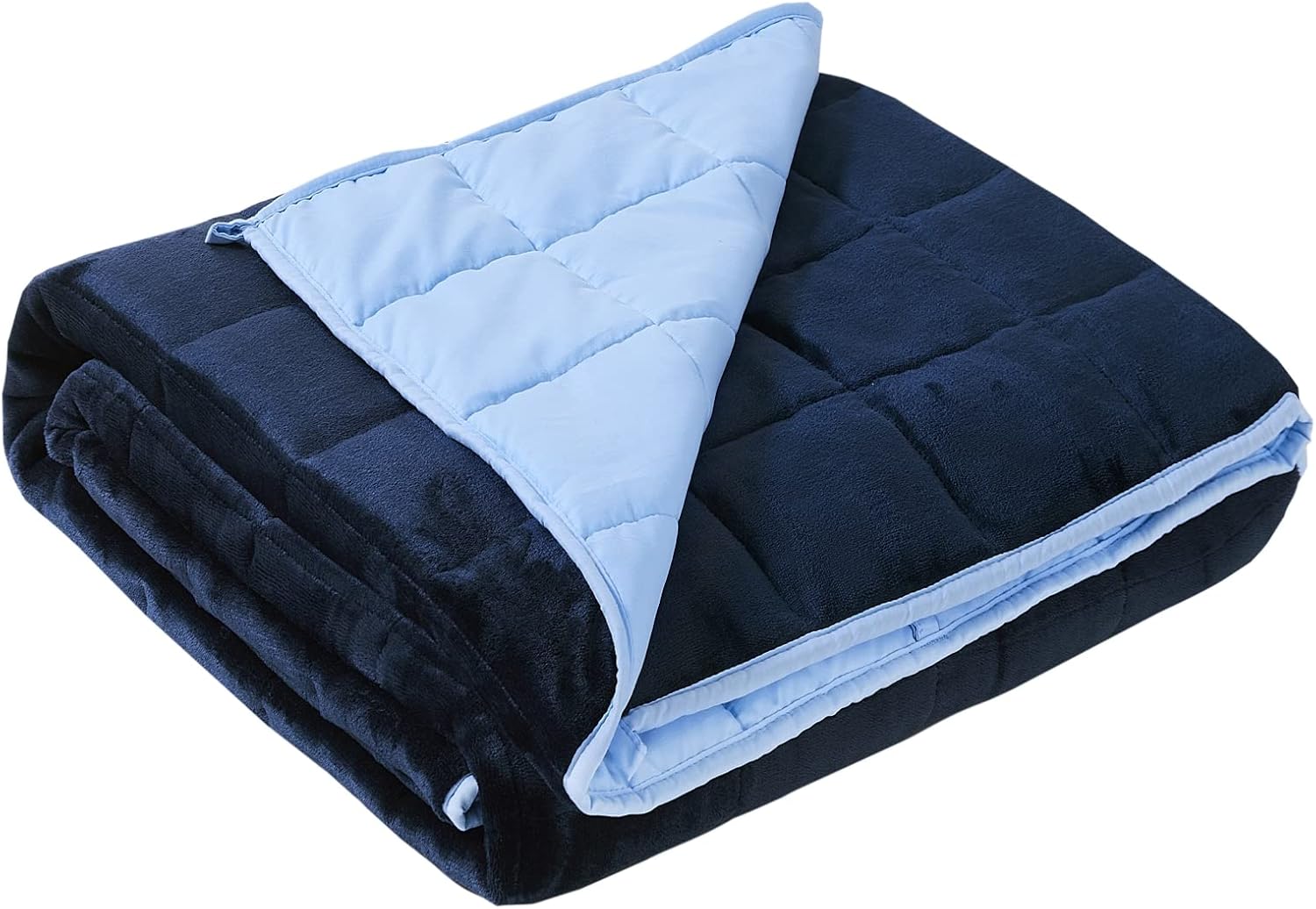
Satwip 15 lb flannel weighted throw, 48 x 72, blue
Flannel face feels warm immediately, 15 lb concentrated over a smaller footprint, priced below the sleep-brand tier
Flannel plus 15 lb is a winter blanket, and a fuzzy pile holds heat in a way a Chicago July will punish
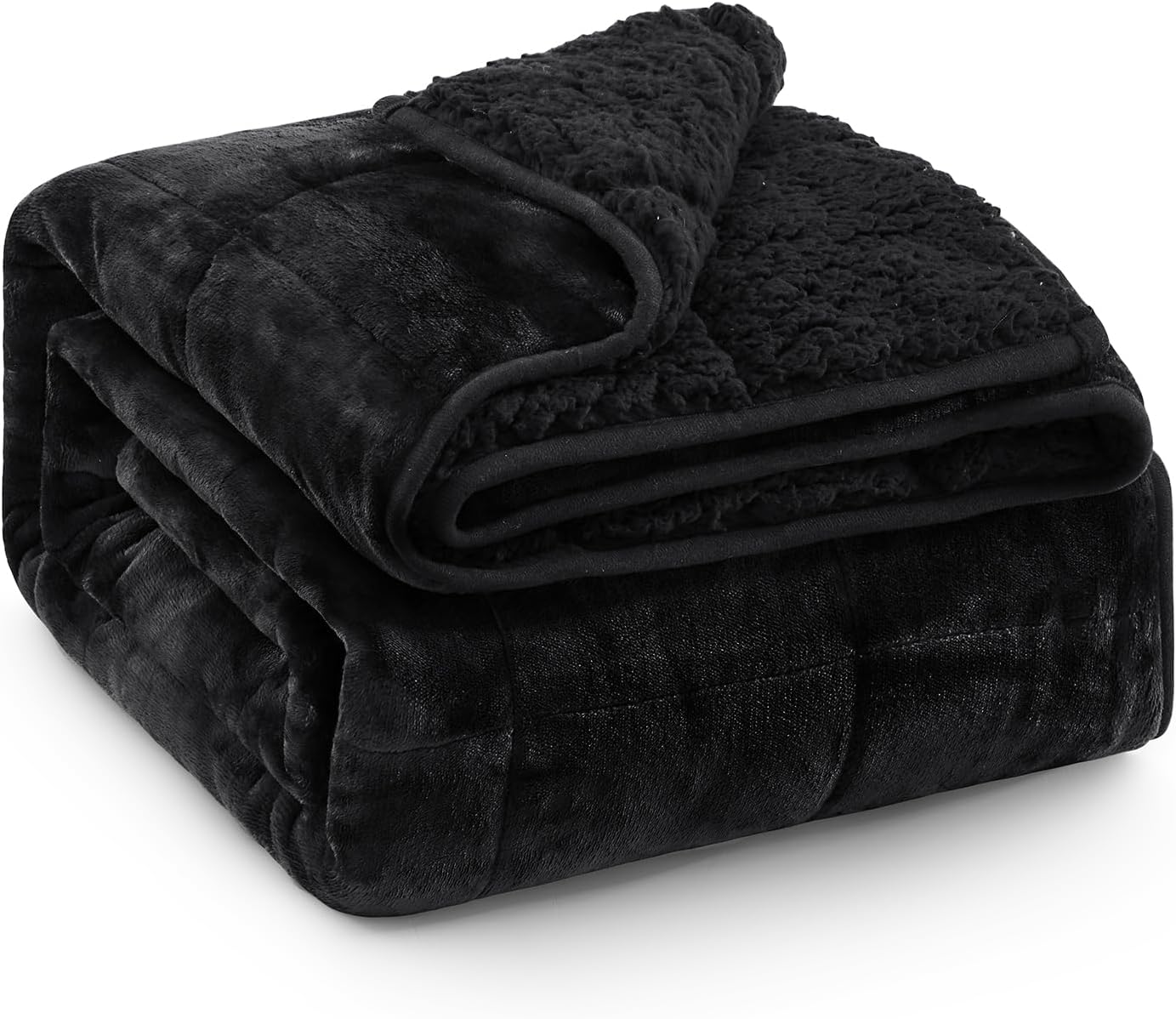
Ultra Soft Sherpa 15 lb weighted blanket, 60 x 80
Queen-sized footprint for couples or sprawlers, plush sherpa face, 15 lb spread wider so it reads lighter per square foot
Sherpa pile is the least breathable option in this group, and the extra area means more mass to move when you turn
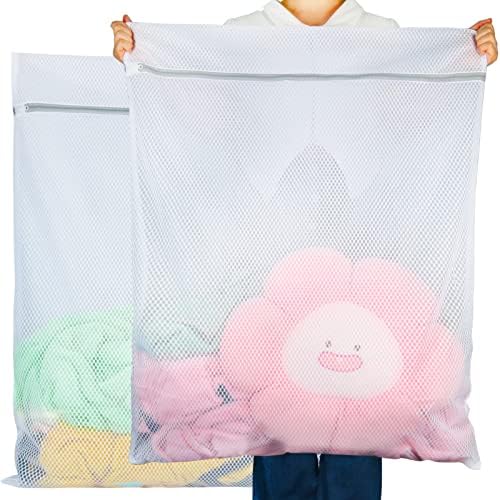
Vivifying XXL mesh laundry bag, 2 pack, 27 x 35
Big enough for a 48 x 72 throw, honeycomb mesh lets water and air through, two bags means one is always available
It is an accessory rather than a blanket, and no bag rescues a shell that cannot take a gentle cycle
Prices and availability were captured from Amazon Creators API and may change.
How I sort four blankets that share a niche
Four criteria decide everything for me, and none of them is the marketing copy on the listing.
Weight per unit area. Fifteen pounds in a 48 by 72 shell and fifteen pounds in a 60 by 80 shell are different products. The smaller one presses; the larger one drapes. If you roll over a lot at night, the smaller, denser blanket is the one that stays where you put it.
Shell fabric. Cotton, bamboo, and linen blends breathe. Dense synthetic shells with a wrinkle-resistant finish are convenient and warm. In a city with real summers, the shell is what determines whether a blanket gets used in June or folded into a closet until October.
Bead containment. I look for small quilted channels rather than a handful of big sewn boxes, and for stitch density at the corners and edges, which is where weighted blankets fail first. Beads that migrate to the perimeter in a month turn a blanket into a border of sandbags.
Washability. A blanket that needs a duvet cover to survive cleaning is a blanket that ends up abandoned. This is the single strongest predictor of whether a client is still using theirs a year later.
One honest note: the evidence for weighted blankets is mixed, and some of the benefit people feel is the placebo effect doing its work. That does not make it useless, and I recommend them anyway. But a blanket is a sleep aid, not a treatment, and I do not suggest them for infants or during pregnancy without a clinician's sign-off.
The SERTA Zen Rest 10 lb throw: the sane default
Ten pounds over 48 by 72 inches is the weight I would hand a 150 pound anxious sleeper before I handed them anything heavier. The 10 percent guideline is a starting point, not a prescription, and most people overbuy because heavier feels more serious. It just feels heavier.
The glass bead fill matters more than the number on the box, because glass is denser than plastic pellets and lets a manufacturer hit a given weight with a thinner profile. A thinner blanket drapes closer to the body, which is where proprioceptive input actually comes from. The wrinkle-resistant finish suggests SERTA expects this one to be washed rather than dry-cleaned, which is the right instinct for a product that touches your face.
Where it loses: 48 by 72 is a throw, and on a six-foot frame it will not cover shoulders and feet at the same time. If you are tall, budget for the fact that you will choose which end stays warm. And if you run hot, the wrinkle-resistant shell is the question mark, not the weight. Feel it before you commit to sleeping under it in July.
The Satwip 15 lb flannel: a winter blanket, and it knows it
The Satwip takes the same 48 by 72 footprint as the SERTA and adds five pounds of flannel. That combination does something specific: it concentrates weight over your lap and torso, which is exactly where a lot of anxious sleepers want it. If you have ever pulled a heavy coat over yourself on the couch and felt your shoulders drop, that is the sensation this blanket is built around.
Flannel is also a real fabric choice, not a marketing one. It feels warm on contact instead of cool and slippery, which matters for people who hate the first thirty seconds under a new blanket. And at this price band it undercuts the design-forward sleep brands without pretending to be a medical device.
The trade-off is seasonal honesty. Fifteen pounds of flannel over a smaller area is the densest, warmest combination in this comparison, and a fuzzy pile does not wick. I would call this a November through March blanket in the Midwest. Buy it if you sleep cold, if your bedroom sits in the low sixties, or if you want a throw for the couch rather than a year-round bed layer. Do not buy it as your only blanket in a warm apartment.
The Ultra Soft Sherpa 15 lb: size changes the math
The Sherpa is the only 60 by 80 option here, which makes it the only one that behaves like a bed blanket rather than a throw. Fifteen pounds spread across that larger area reads lighter than the Satwip's fifteen pounds, because your body is carrying less of it per square foot. That is the counterintuitive part of weighted blanket shopping: identical weights are not identical experiences.
For couples, sprawlers, and anyone on a queen bed who wants coverage without a fight over the edge, this is the pick. The plush sherpa face is the most tactile option in the group, and it is the one people reach for when they want comfort rather than clinical pressure.
The cost is breathability. Sherpa pile traps air and heat, and it is the least forgiving fabric here for a warm sleeper. The larger size also means more total mass to shift when you turn over, which is fine for most adults and frustrating for anyone with shoulder trouble. If you sleep hot, size down your expectations or look at a cotton-shell blanket instead.
The Vivifying mesh laundry bag: the accessory that decides the outcome
This is the unglamorous entry, and it is the one I would add to any order in this comparison. A weighted blanket is a quilted sack of glass beads. In a top-loading machine with an agitator, that sack gets twisted, stretched, and pounded, and the seams are the first thing to give. A 27 by 35 inch honeycomb mesh bag gives a 48 by 72 throw room to move without letting it wrap around the drum.
Two bags in the pack is the detail that makes it useful. You can keep one blanket bagged for storage while the other is in the wash, or use the second for the duvet cover, the mattress pad, or the stuffed animals that also need a gentle cycle. The mesh itself is what does the work: fine enough to contain the load, open enough that water and detergent actually circulate instead of pooling inside.
What it cannot do is rescue a blanket whose shell was never meant for a home machine. Check the care instructions first. If the shell demands dry cleaning or a duvet cover, no bag fixes that, and that blanket belongs in someone else's house.
The trade-offs nobody puts on the listing
Three things separate a blanket you keep from a blanket you abandon.
Density versus coverage. The Satwip is 15 pounds in a small shell; the Sherpa is 15 pounds in a large one. If you want pressure, choose density. If you want coverage, choose area. Buying both weights at once is how people end up with two blankets and one bed.
Seasonality. The flannel and the sherpa are cold-weather fabrics. The SERTA is the only one here positioned for year-round use, and even that depends on a shell fiber the listing does not fully explain. In Chicago, I own one warm blanket and one breathable one, and I swap them in May.
The maintenance ceiling. Bead migration and popped corner stitching are the two failure modes I see most, and both are accelerated by rough washing. A mesh bag and a gentle cycle cost you almost nothing and roughly double the useful life of a $50 blanket.
If you weigh under about 150 pounds, the 10 pound SERTA is very likely enough, and a 15 pound blanket may feel like work rather than relief. If you weigh more, or you sleep cold, the 15 pound options earn their weight.
Who should buy which
The anxious solo sleeper on a full bed: the SERTA Zen Rest 10 lb. Start here, and only size up if you find yourself wanting more after two weeks.
The cold-room winter sleeper: the Satwip 15 lb flannel. Warm on contact, dense over the lap, and it makes a genuinely good couch throw from October onward.
The couple, the sprawler, or the queen-bed owner: the Ultra Soft Sherpa 60 x 80. The extra area is the whole point, as long as you are not a hot sleeper.
Everyone buying any of the above: the Vivifying mesh laundry bag two-pack. It is the cheapest item in this comparison and the one most likely to determine whether your blanket lasts three years or three months.
What I am watching next
Two things. First, shell technology: phase-change cooling fabrics are moving from athletic wear into bedding, and I expect the next premium tier of weighted blankets to be sold on breathability rather than weight. Second, the abandonment problem. Too many people buy the wrong blanket, hate it, and conclude that weighted blankets do not work for them. I think trial and rental programs are coming within a few years, and I will be watching for the first brand willing to let you sleep under a blanket for thirty nights before you pay for it.