I bought my first weighted blanket in 2019 on a night I had been awake until nearly 4 a.m., and I have spent the years since trying to explain why some people keep their blanket for years while others fold it into a closet by week three. I am an occupational therapist in Chicago, I work with anxiety and sensory-processing clients, and I have bought, borrowed, or been handed 14 blankets in that time. Every one got weighed on a kitchen scale before I formed an opinion, and I test shell fabric with a humidity sensor, because a blanket that traps heat is a blanket that gets abandoned no matter how good the weight feels.
This weighted blanket comparison is narrow on purpose. Four products, four jobs: a 15 lb sherpa queen for adults, a 20 lb queen for heavier sleepers, a 5 lb cotton blanket for kids, and the mesh laundry bag that decides whether any of the others actually get washed. I will be honest about the evidence for weighted blankets generally, which is mixed, and honest about where each of these four asks you to compromise.
Short answer: for most adults, the Topblan 15 lb sherpa queen is the one I would hand over first, and the OTraki mesh bag is not an optional extra. If you want more weight and a cooler surface, the Topcee 20 lb queen is the better fit. The MAXTID 5 lb cotton blanket is the right choice only for a child who can move it alone.
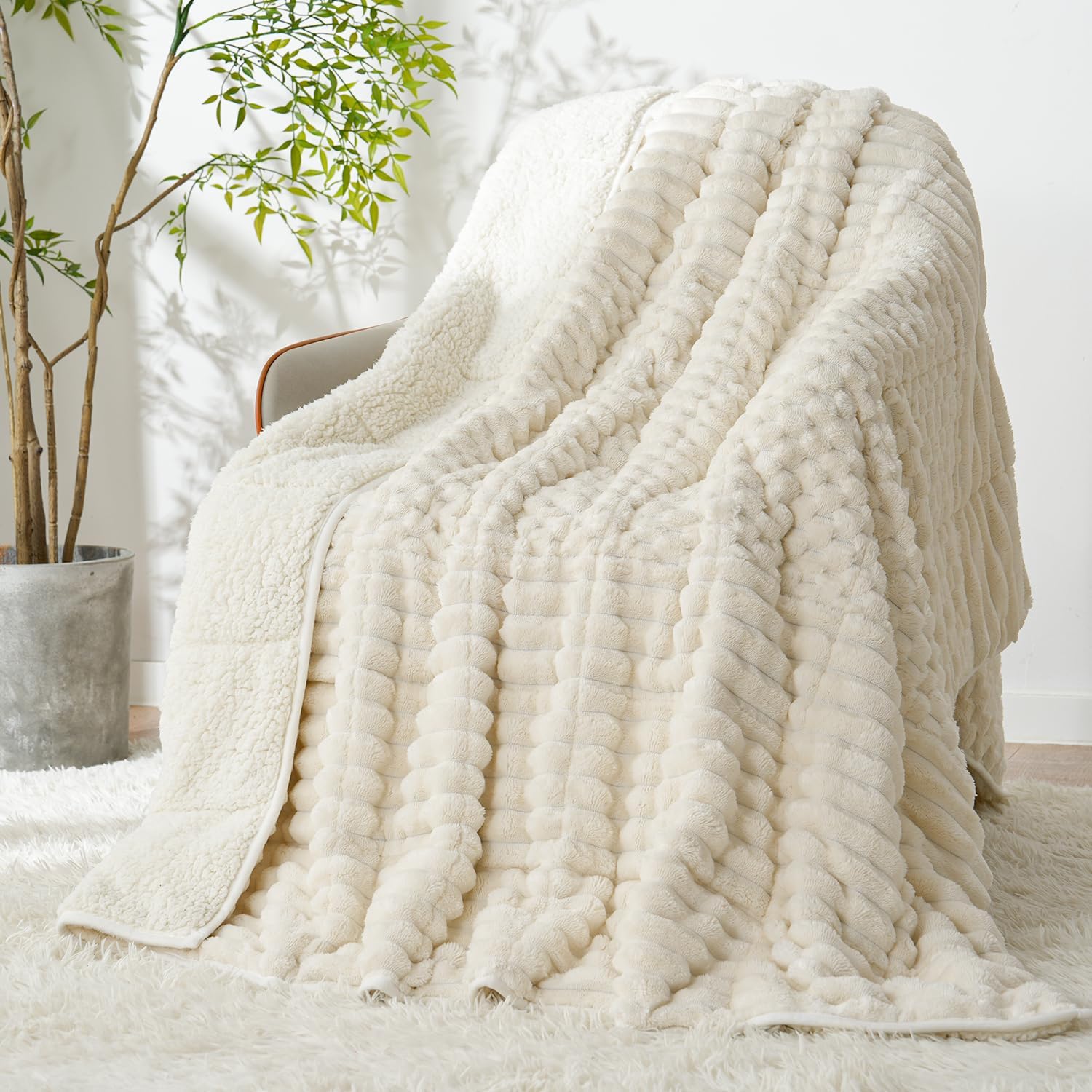
Topblan Weighted Blanket for Adults Queen Size 60 x 80 15lbs, Sherpa Fleece
15 lb lands near the 10% mark for a 140 to 160 lb sleeper, queen footprint, sherpa shell for cold sleepers
Sherpa runs warm, one weight and one size only, seasonal in a hot bedroom
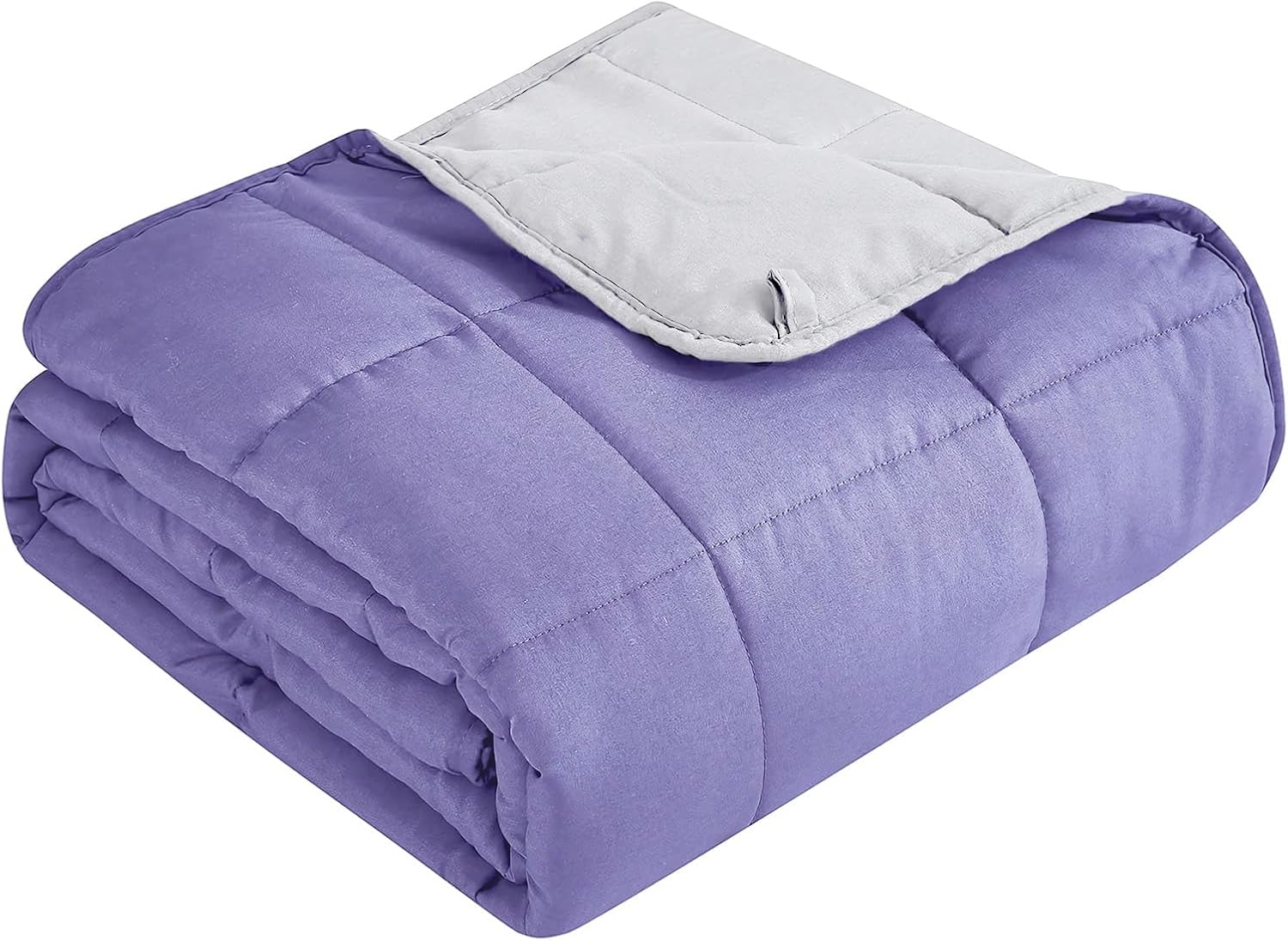
Topcee Weighted Blanket for Adults (20 lbs, 60" x 80") Queen Size Soft Cooling Heavy Blanket Sleeping, Apply to 190-210 lbs Body, Thick Blanket with Glass Bead, Easy Care
Sensible weight guidance for 190 to 210 lb sleepers, glass bead fill, cooling build
20 lbs is too much for a lighter sleeper, "cooling" is a claim to verify, not a spec
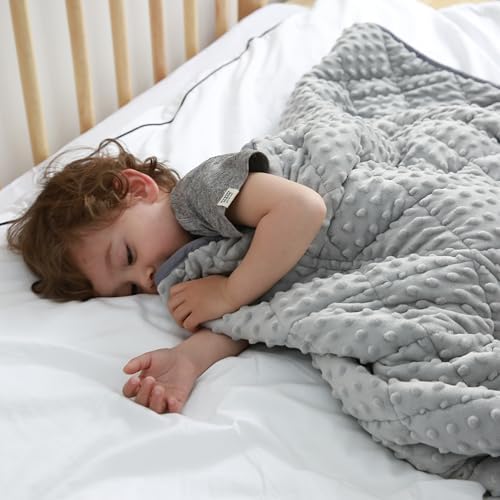
MAXTID Weighted Blanket for Kids 5lbs 36"x48" Cotton Blanket
Cotton shell breathes, 5 lbs is light enough for a child to move alone
Outgrown in a season or two, too small and light for teens
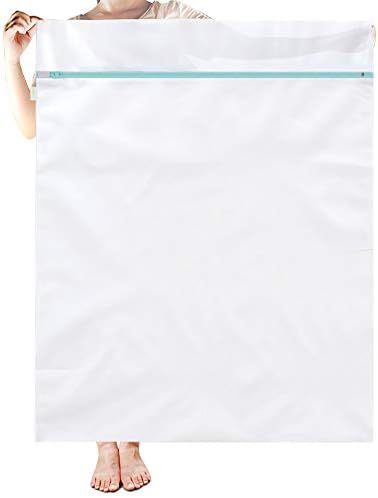
OTraki Large Mesh Washing Bag 43 x 35 Inch XXL Mesh Laundry Bag, Blue
43 x 35 fits a folded queen blanket, protects seams in the wash, cheap insurance
One job, one size, and it is a separate purchase you have to remember
Prices and availability were captured from Amazon Creators API and may change.
The four things I check before anything else
Weight is the first thing everyone asks about and the last thing I would judge a blanket on. The 10% of body weight guideline is a starting point, not a prescription. I have watched a 200-pound client sleep beautifully under 12 pounds and a 130-pound client feel buried under 20. Heavier is not more therapeutic. It is just heavier, and past a certain point it stops being a blanket you can reposition in the night.
Shell fabric is the second thing, and it is where most blankets quietly fail. Cotton and bamboo breathe. Polyester and dense fleece hold heat. In a Chicago August, a shell that holds heat turns a useful sleep aid into a sauna, and by October the blanket is in the closet. That is why the fabric question matters more than the weight question for anyone who sleeps warm.
Bead distribution is the third. Glass beads in a tight, well-sewn grid stay where they are put. Beads in loose, wide compartments migrate to the edges within a month, and then you are sleeping under a heavy border with a light middle. You can often feel this before you buy: pinch a section and slide your fingers across it. If the fill moves freely, it will keep moving.
Washability is the fourth, and it is the one that predicts the outcome. A blanket you cannot wash is a blanket that ends up in the closet. Nearly every abandonment story I hear comes back to this, not to weight. If a blanket needs a duvet cover to survive a washing machine, that cover is another thing to buy, wash, and lose.
Two queen-size blankets for adults, two different jobs
The Topblan sherpa fleece queen is the blanket I would recommend to someone who sleeps cold, wants a 60 x 80 footprint, and does not want to think about it again. Fifteen pounds lands near the 10% mark for a sleeper in the 140 to 160 pound range, which is the sweet spot for most adults. Sherpa fleece is the part that matters here: it traps air against the body and feels warmer than a flat cotton shell of the same weight, which is what you want from November through March and exactly what you do not want in July. My advice for a warm sleeper is to treat the sherpa version as a seasonal blanket, not a year-round one.
The Topcee queen is the other end of the same category. Twenty pounds, a 60 x 80 footprint, glass bead fill, and a listing that positions it for sleepers in the 190 to 210 pound range. That is the most sensible weight guidance I have seen on a product page in this category, because it tells you who the blanket is not for. The trade-off is the one nobody wants to hear: at 20 pounds this is not a blanket for a 130-pound sleeper who wants to feel held. It is a blanket for someone who wants to feel pressed down, and there is a real difference between those two sensations.
Both are queen-size, so measure the bed before you order. A 60 x 80 blanket on a queen mattress covers the top surface and leaves the drape to the sheets. If you want the weight to be felt rather than seen, that is fine. If you want it to look like bedding, think that through first.
The kids' blanket is a different product category
The MAXTID 5 lb blanket is 36 x 48 inches with a cotton shell, and I want to be careful here, because kids and weighted blankets is where well-meaning parents make mistakes. The rule I use with families is simple: the child must be able to move the blanket off without help. A 5 lb blanket in this size is built for a younger child, and the cotton shell is the right fabric choice for a small sleeper who runs warm. It is not a blanket for a teenager, and it is not a blanket for anyone who cannot lift it.
I do not recommend weighted blankets for infants, and I do not recommend them during pregnancy. That is not a hedge, it is a boundary. For a school-age child with sensory-processing differences, the blanket is a tool that may or may not help, and it belongs in a bedtime routine alongside consistent sleep times and a dark room, not instead of them.
The mesh bag decides whether any of this works
The OTraki large mesh washing bag is 43 x 35 inches, and that size is the point. A queen-size blanket folded twice fits inside it. Mesh lets water and detergent through while keeping the blanket from wrapping around the agitator and stressing the seams. If you have ever pulled a blanket out of the wash with a popped corner seam, you already know what the alternative looks like.
Here is why a laundry bag belongs in a blanket comparison at all. The blankets people keep are the blankets they can clean. Glass bead fill does not like being beaten against a drum, and stitching that gets stretched in a top-loading machine is stitching that fails. A mesh bag is the cheapest insurance in this article, and it also handles the duvet covers and comforters that come with a bedding setup. If you buy one accessory for a weighted blanket, buy this one.
Weight is a range, not a rule
The 10% guideline gets treated like scripture, and it is not. It is a starting point for a conversation, and my version of that conversation has three questions. How much do you weigh, so we have a baseline? Do you sleep hot or cold? And do you want to feel held or feel pressed down?
For a 150-pound anxious sleeper who runs warm, I would start at 15 pounds with the most breathable shell I can find, which points at the Topblan if you accept the sherpa warmth and points at a cotton or bamboo blanket from another brand if you do not. For a 200-pound sleeper who wants the sensation of weight, the Topcee at 20 pounds is a reasonable match. For a child, the 5-pound cotton option is where I would start, with the rule about being able to move it.
The mistake I see most often is overbuying. People assume that if 10% is good, 15% must be better. It is not better. It is heavier, harder to move, and more likely to end up on the floor by 2 a.m.
Where each of these loses
The Topblan loses on heat. Sherpa fleece is a winter fabric, and if your bedroom sits above 72 degrees for half the year, you will use it for half the year.
The Topcee loses on range. Twenty pounds is a lot of blanket, and the listing's own 190 to 210 pound guidance says so. Below that range, the weight does the opposite of what you wanted. It also asks you to trust "cooling" as a fabric claim, and cooling is a marketing word more often than a measurable property.
The MAXTID loses on longevity. A 5 lb blanket serves a child for a season or two, then it is too small and too light. That is not a flaw, it is what a kids' blanket is, but budget for the replacement.
The mesh bag loses on nothing except that it is a separate purchase. It does one job and does it well.
What I tell clients
Weighted blankets are a sleep aid, not a treatment. The research is mixed, the placebo effect is real, and I recommend them anyway, because for some people the deep pressure input genuinely shortens the time it takes to fall asleep. The honest framing is this: buy from a seller with a return window, give it two weeks, and pay attention to whether you are reaching for it or moving it off the bed. If you are moving it off the bed, the weight was wrong, the fabric was wrong, or the blanket was not for you.
If you want a starting point that covers most adults, the Topblan 15 lb sherpa queen plus the OTraki mesh bag is the combination I would buy first. If you sleep hot or weigh more than 190 pounds, the Topcee 20 lb queen is the better match. If you are buying for a child, the MAXTID 5 lb cotton blanket is the right size and weight, with the rule that the child must be able to move it alone.
All four are linked in the table above. Check current Amazon price before you commit, because this category swings, and a blanket that fits your budget in September may not fit it in December.